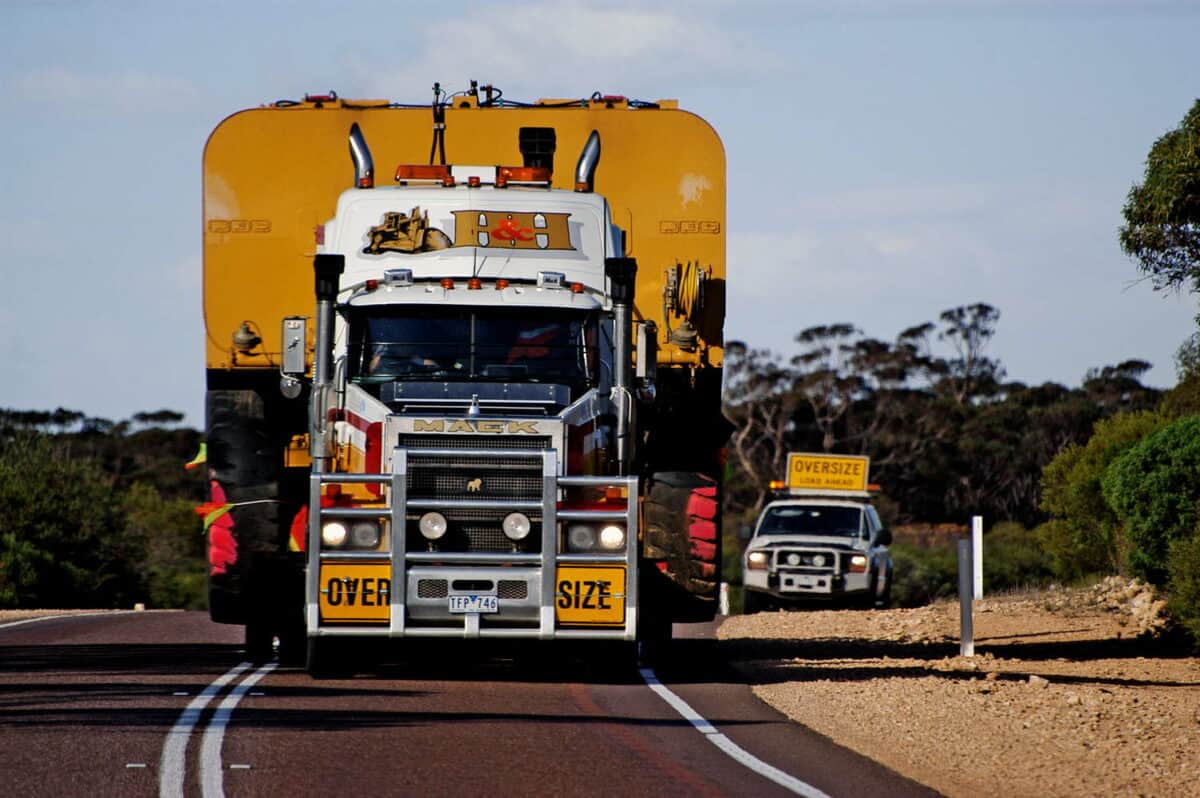
Australia’s heavy vehicle transport industry has been involved in arguing about workplace health and safety for decades. It is also one of those issues that have been largely dominated by anecdotal evidence, as shown by the recent Australian Senate Committee hearings into the “Importance of a viable, safe, sustainable and efficient road transport industry“, much to the detriment of the occupational health and safety (OHS) of the drivers, the public safety of other road users and the families of those who die in road incidents.
Category: mental-health
Odd sexual harassment guidance
Safe Work Australia has released an important national occupational health and safety (OHS) guidance called “Preventing workplace sexual harassment.” The advice included is very good, but the presentation is so plain and vanilla as to be unattractive – unattractive in that there is little to encourage anyone from reading what is very important information. No images, no flowcharts, no graphics, no infographics but perhaps most importantly – no case studies.
This is not to suggest that SWA guidance needs to look like a “Dummy’s Guide”, but readability is more than grammar, understanding comes from more than just information.
Give Duty of Care and Workers’ Compensation a good shake
At the2020 Australia and New Zealand Society of Occupational Medicine (ANZSOM) annual scientific meeting, Dr David Goddard spoke about “Regulation: when expectations go unmet”. In a wide-ranging presentation Goddard spoke of Australia’s occupational health and safety (OHS) laws touching on a couple of contentious governance issues:
“…… Robens-inspired law introduced the employers’ general duty of care with responsibility for self-regulation. Indeed, self-regulation is essential. Without self-regulation, duty of care simply becomes a game of who to blame if things go wrong.”
Interesting? Yeah. Useful? Nah.
The last six months have seen a spate of marketing surveys about the impact of COVID19 on workplaces as well as the secondary consequences, such as mental health. On 18 January 2021, The Australian Financial Review (AFR) published an article based on one of these types of surveys conducted by the “work management platform Asana” which claimed:
“Almost three-quarters of Australians suffered burnout last year and the average office worker’s overtime nearly doubled from 236 hours in 2019 to 436 hours, a global study of more than 13,000 office workers reveals.”
This is inaccurate.
Mandatory COVID19 vaccinations? Yep.
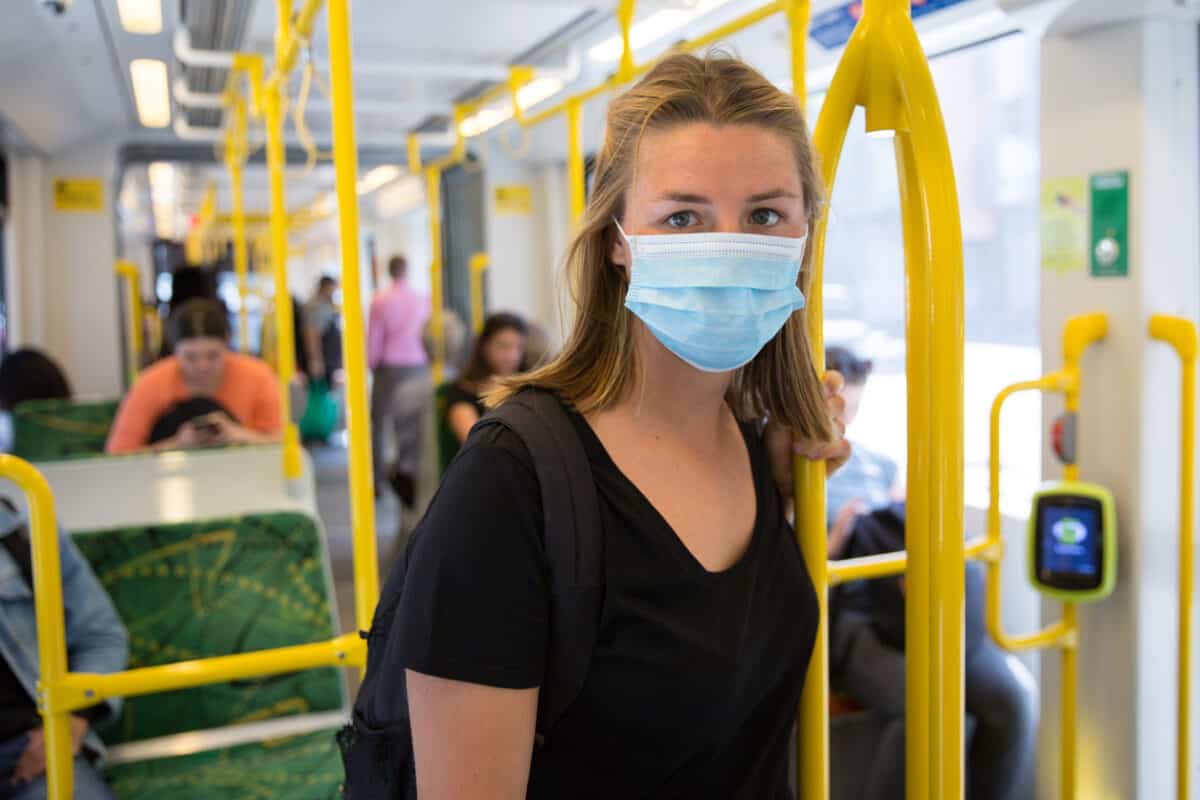
Each Monday in January 2021, workers are returning to workplaces, worksites, and offices, often with regret that the Christmas/New Year break was not long enough. This year their return is complicated by concerns about COVID19.
The major talking point, at least in Australia, is “can an employer force a worker to be vaccinated as a condition of returning to work?” and the answer seems to be “Yes”.
Building a resilient society
In the middle of a pandemic, it is easy to be locked into small issues, especially if they directly relate to you, such as lockdowns or sick relatives but it is important to be reminded of the broader social context. Professor Michael Quinlan recently wrote an editorial for the Annals of Work Exposures and Health, entitled “COVID-19, Health and Vulnerable Societies”.

one-in-five mental health stat clarified and given a future
Two years ago this blog looked at the origins and the permutations of the “one-in-five” phrase used in Australian reports about mental health. The earliest occurrence of the statistic was from the Australian Bureau of Statistics (ABS) in 2007. It was hoped that the Productivity Commission (PC) would revisit the statistics in its recent inquiry into mental health. It did not, however a new statistical assessment of mental health is not too far away.