

Workplace sexual harassment inquiry releases submissions

The National Inquiry into Sexual Harassment in Australian Workplaces has started to release some of its public submissions. The Inquiry has received a lot of submissions but this blog will continue its search for strategies to prevent sexual harassment and the related psychological harm, as indicated in the Inquiry’s terms of reference and reiterated repeatedly by the Sex Discrimination Commissioner, Kate Jenkins.

One submission by Anita McKay is very detailed and titled “Recent Developments in Sexual Harassment Law: Towards a New Model”.

Subscribe to SafetyAtWorkBlog to continue reading.
Subscribe Help
Already a member? Log in here

Mining policy platform released

The Minerals Council of Australia has released its 2019 policy platform called “The Next Frontier: Australian Mining Policy Priorities”. The mainstream media will focus on taxation and jobs data given that Australia will face an election in the first half of 2019 but there is a specific chapter on occupational health and safety (OHS).

Subscribe to SafetyAtWorkBlog to continue reading.
Subscribe Help
Already a member? Log in here

Annual Leave is an institutionalised mental health break

Occupational health and safety (OHS) and Human Resources (HR) disciplines continue to, mostly, operate in isolation and, sometimes, in conflict.  Part of the reason is that workplace matters are often seen as either OHS or HR, even though they are both.

SafetyAtWorkBlog looks for why Australian workers have four weeks of Annual Leave. Continue reading “Annual Leave is an institutionalised mental health break”

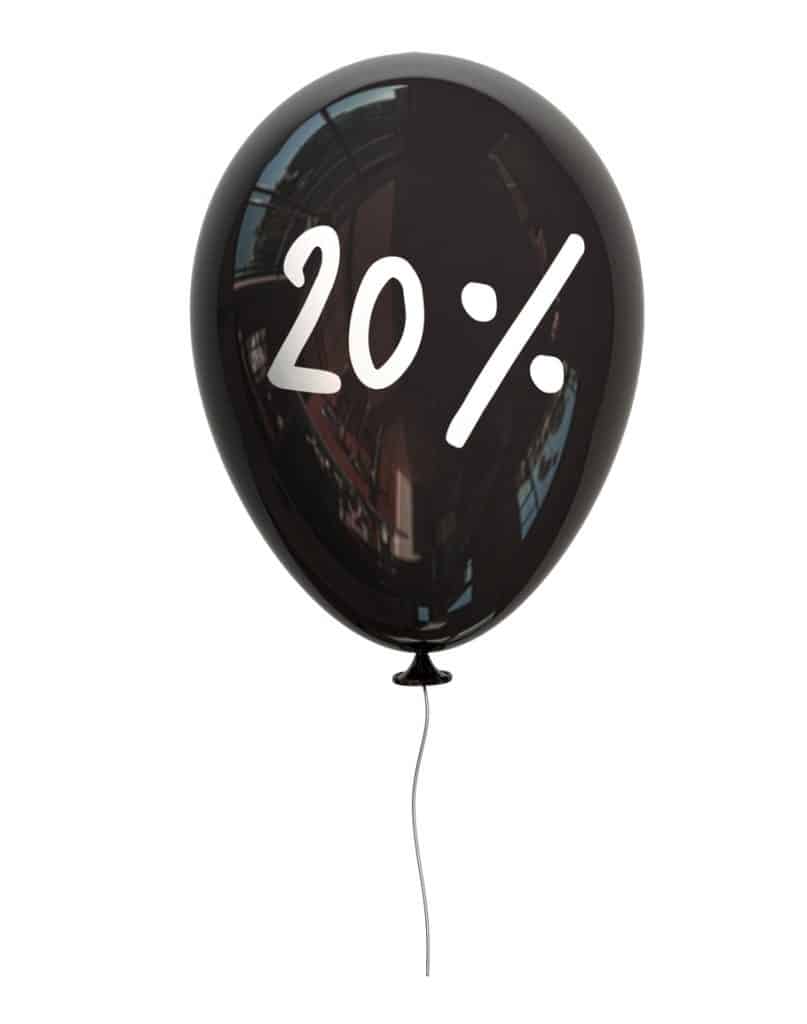
The mental health “one in five” statistic examined for validity

This blog has a policy of linking to source documents wherever possible. Recently I investigated the origin of the statement and its variations:

“In a 12 month period, 20 per cent of Australians will experience a mental health condition.”

Clarity on this is going to be important as Australia has several formal inquiries relating to mental health and this statement often crops up in strategy documents and policies related to occupational health and safety (OHS).

Subscribe to SafetyAtWorkBlog to continue reading.
Subscribe Help
Already a member? Log in here

Is workplace health and safety still relevant?

A quiet revolution is happening in workplace health and safety in Australia.  I don’t mean the laws – that boat sailed with the failure of the attempt to harmonise laws and tweak them for the new Century.  The change is coming from a realisation that what is still mostly called Occupational Health and Safety (OHS) has been misunderstood and misapplied, especially in the context of work-related psychological hazards.

OHS emerged in its most contemporary form in the 1970s in the UK and manifested in new laws in Australian States in the 1980s.  These laws stipulated that the primary duty of care for the health and safety of workers AND those affected by the work processes suits with the employers (ignore the absurd modern variation of employer in the Work Health and Safety laws – the PCBU – Persons Conducting Business or Undertaking as only lawyers really use the term.  Some prominent lawyers pronounced the acronym as “Peek-A-Boo” (you know who you are) as if OHS was a barely-held-together nightie! It was juvenile and didn’t help).  Workers have a duty to not harm themselves or others and to support the employer’s OHS processes.

Continue reading “Is workplace health and safety still relevant?”
Concatenate Web Development
© Designed and developed by Concatenate Aust Pty Ltd