
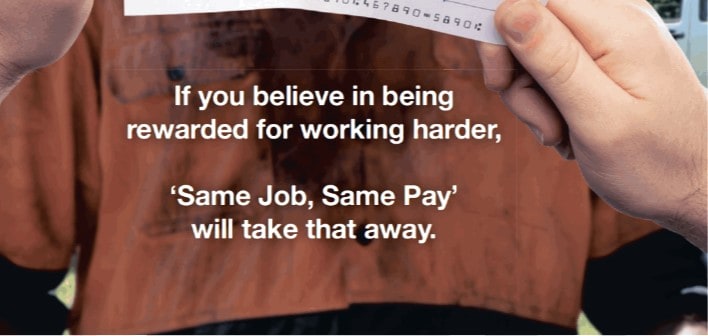
Currently, many large Australian business groups are lobbying the federal government over its plans to introduce legislation to ensure that workers achieve the same pay rate for doing the same job as others. A feature of the full-page advertisement in the newspapers is that people should be able to receive more money or a higher rate of pay if they “work hard”. This phrase is never explained but may have implications for occupational health and safety (OHS).
Category: neoliberalism

Grievance Culture and Responsibility
Julian Baggini is a philosopher less well-known in Australia than in the United Kingdom but his writings can add to some of the current discussions about occupational health and safety (OHS) and business ethics.
In his 2010 book, Complaint, he analyses our grievance culture and how complaints can and should result in positive outcomes. OHS often seems to run on complaints and to understand how to respond to complaints, it is necessary to understand who is responsible for that response and why.
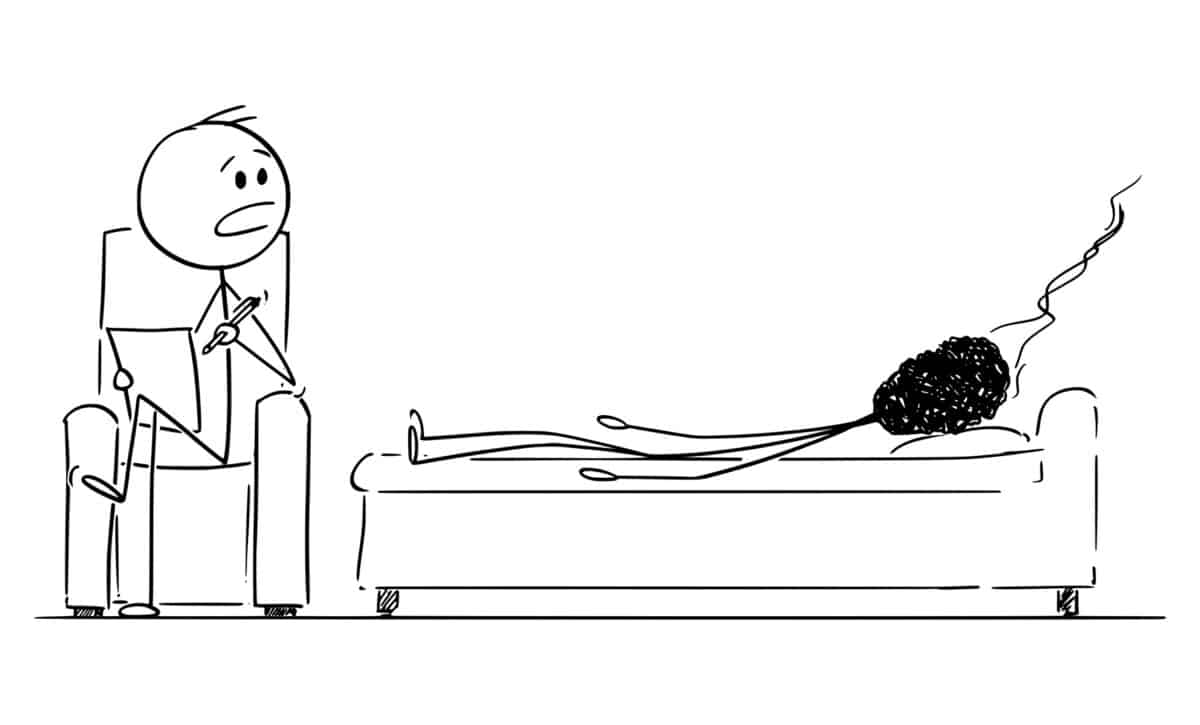
The personal and cultural factors in work addiction
Recently this blog wrote about an article on the news website of the Australian Broadcasting Corporation concerning burnout. One of the people interviewed for the article was Sally McGrath, who responded to a series of questions put to her to clarify some of the workplace mental health issues raised.
SAWB: Did your three burnout experiences happen at the same workplace?
Continue reading “The personal and cultural factors in work addiction”SM: Yes – this was a result of me taking on too much, and being “capable” is something that I believe can work both for and against a person. In my case (and many I see) always saying yes and being delegated work is where the burnout begins, you don’t want to be seen as not coping or capable. You also want to be seen as the “next in line for promotion” and saying no can work against you.
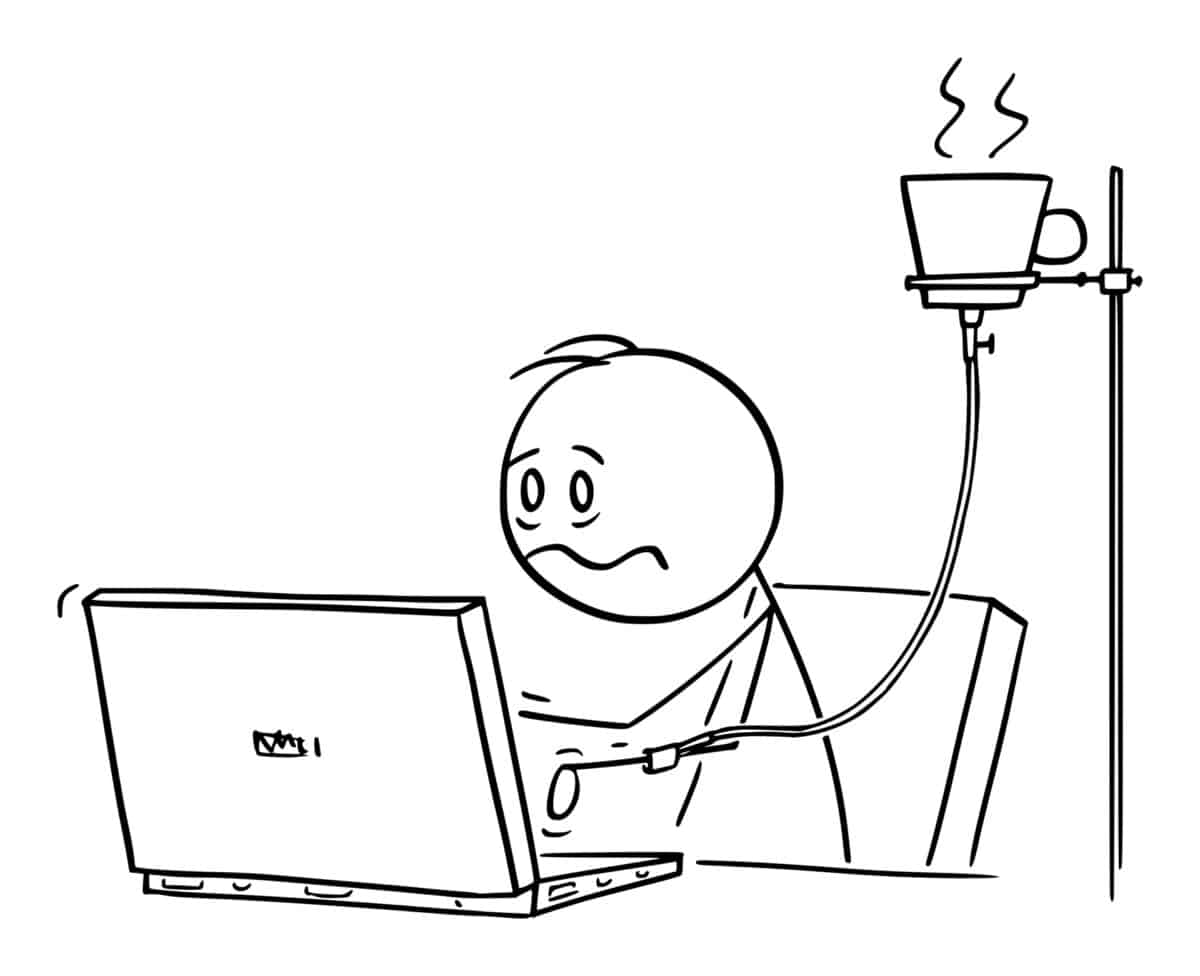
Fool me once; shame on you. Fool me twice; shame on me. Fool me thrice?!
The Australian Broadcasting Corporation recently published a curious article about workaholism and burnout – the latter being an occupational mental health condition recognised by the World Health Organisation.
It is curious because the catalyst for the article, Sally McGrath, claims to have experienced burnout three times. Once is understandable as job stress can creep up on anyone. Twice should result in external assistance to investigate the work environment, work practices and personal mental health to identify contributory factors. But the third time…??? Burnout is not something that is usually a repeated experience and its prevention may present a significant challenge for the occupational health and safety (OHS) profession and employers.

A Neverending Story – Supply chain safety dispute
Several weeks ago, Scott’s Refrigerated Logistics, a prominent Australia trucking company, entered receivership. It seems the Transport Workers’ Union (TWU), as part of a long campaign, chose to take another potshot at one of Australia’s few supermarkets, Aldi, accusing it of “pressuring supply chains” when the average profit margin in this sector has been described as an average profit margin of only 2.5 per cent. Occupational Health and Safety (OHS) in Australia’s transport industry has always been an important issue and is regularly a political football.
The union’s claims are being echoed by Senator Tony Sheldon, a former national secretary of the TWU, in Parliament.
OHS tidbits from the latest Productivity Commission Report
On March 17 2023, the Australian government released the Productivity Commission’s latest 5-year Productivity Inquiry report. At well over a thousand pages, few people are going to read it to the level it deserves. Nor will I, but I have dipped into it and found a couple of important comments that relate directly to the management of occupational health and safety (OHS).

Big consultancies sully their own nest
Large consulting firms have been getting a hammering lately. Fraud, leaking information, work-related suicides, corruption, unethical behaviour……. I bet they are nostalgic for the good old days when they were primarily auditors. There are several occupational health and safety (OHS) connections with the Big4, Big3 or Big 7. Auditing is the obvious overlap, but several recent books have identified some other strange relationships with Government that affect policy that, in turn, affect OHS. This is a brief look at one of those books – The Big Con.