

Victoria’s consultation on its work-from-home proposals closes this weekend. The government has claimed over 18,000 submissions and interactions, but none of them are yet publicly available. The Business Council of Australia (BCA) has garnered recent media attention, pre-empting the closure of the consultation. The BCA could have a more mature discussion on the concept and practice of working from home, but perhaps it realises that the argument has already been lost.
Category: politics
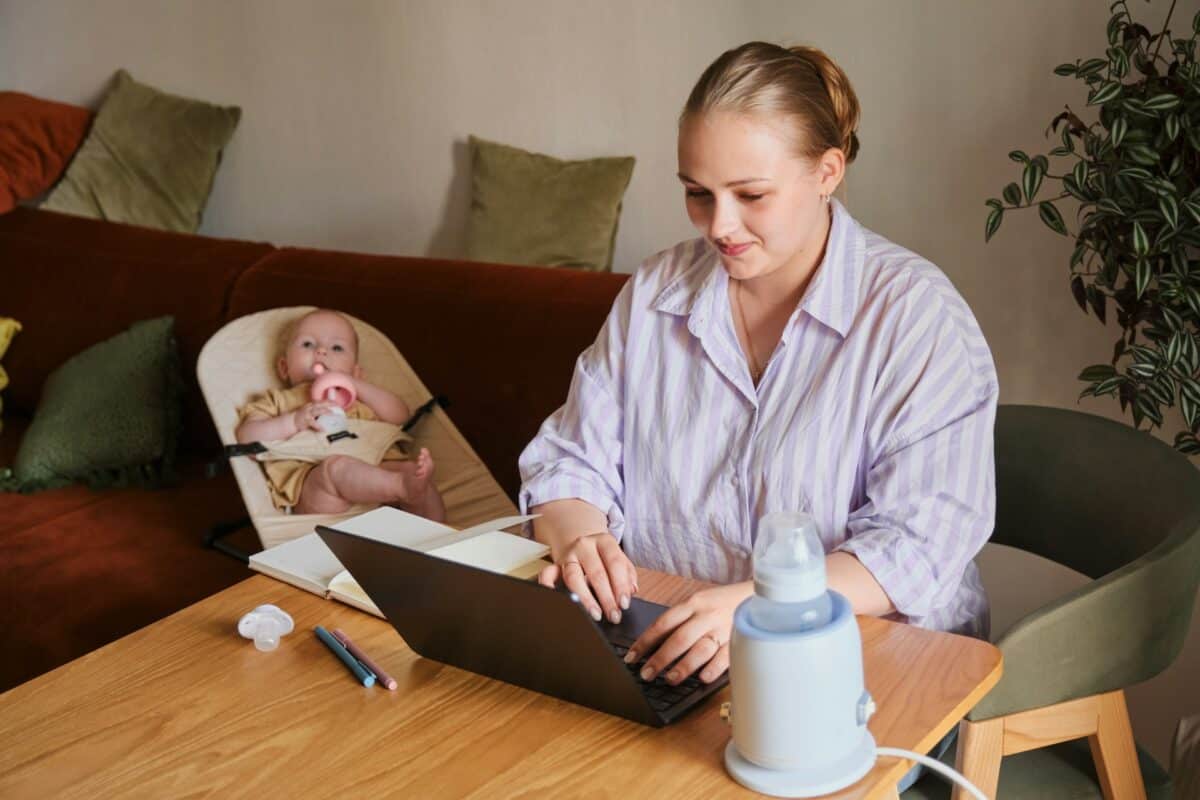
The Politics of Working From Home Continues to Miss the OHS Arguments
Working from home (WFH) is being sold as a cost-of-living fix and a family-friendly reform—but the Victorian government’s proposed WFH legislation misses a critical point: it’s also an occupational health and safety issue. While politicians tout productivity and convenience, they largely ignore the psychological benefits, consultation obligations, and uneven access that make this policy far more complex than a Monday morning commute.
You had to look hard for mentions of the occupational health and safety (OHS) legitimacy of the proposed law changes in Parliament this month.
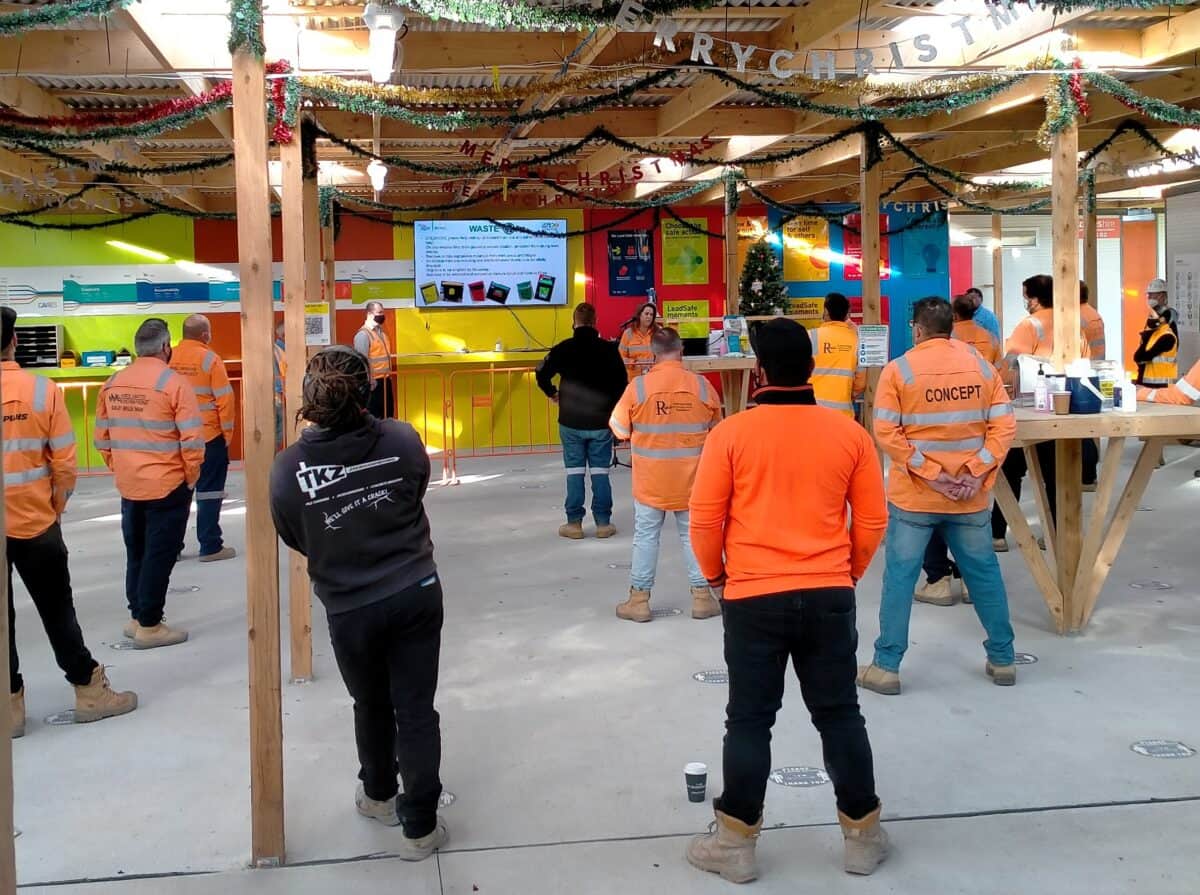
Someone should have read the instructions – OHS in COVID times
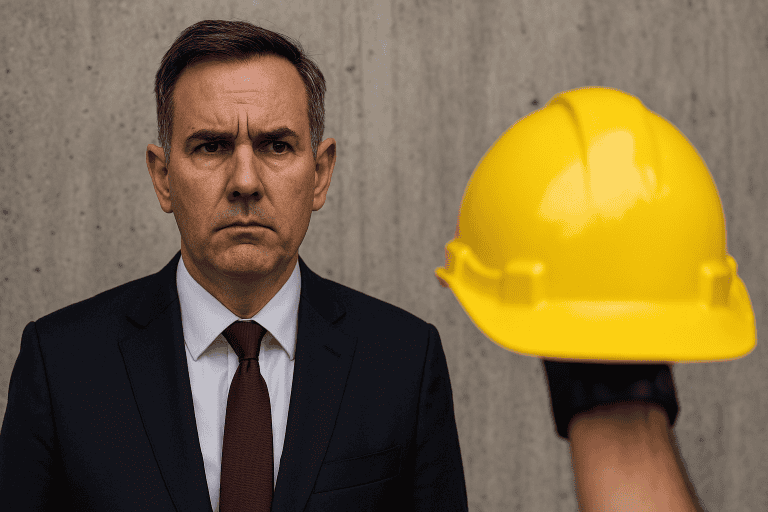
Ask someone to depict occupational health and safety (OHS) in a drawing, and the image is likely to include a hard hat, maybe some safety glasses, or hearing protection. Personal Protective Equipment (PPE) dominates the concept of OHS and how people perceive OHS, even when PPE is the last hazard control option to be considered in providing safe and healthy work.
Our relationship with PPE has forever been changed by everyone’s experience of the COVID-19 pandemic. The survivors of the pandemic are loath to reflect on those few intense years, but OHS needs to talk about the pandemic and what went right and what went wrong. Here’s a short start to the conversation.
Balancing Acts That Miss the Point
One of the aims of Australia’s Model Work Health and Safety Act is to
“… provide a balanced and nationally consistent framework to secure the health and safety of workers and workplaces.” (page 5, Best Practice Review of the model Work Health and Safety laws – Discussion Paper, September 2025)
There are several ways to interpret “balance” – an equilibrium/harmony or the process for weighing interest, a noun or a verb. I am not sure that ‘balance’ or ‘balanced’ are suitable terms in a document that should provide clear guidance on occupational health and safety (OHS) matters. It may be an example of how an inexactitude can lead to over-complexity and OHS’s reputation for business bullshit.
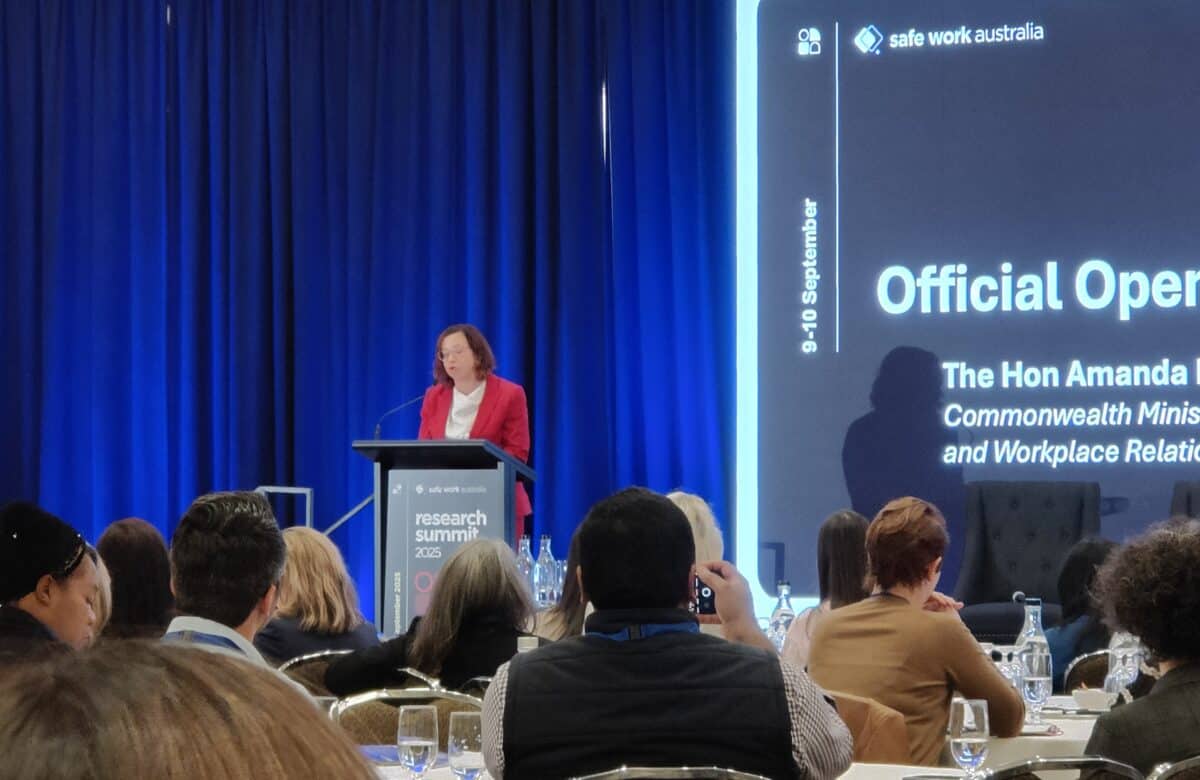
The Minister could have said so much more
The best way to describe the Workplace Relations Minister’s speech to Safe Work Australia’s Research Summit on September 9, 2025, is “safe”. Others may say Amanda Rishworth was boring, but what was she expected to say?
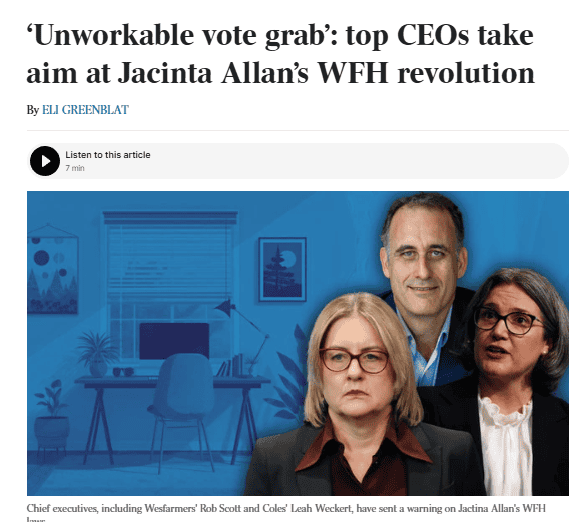
Why are the bosses’ knickers in a twist over work-from-home?
Two major Australian media outlets are continuing to focus on the issue of working from home (WFH), criticising the concept and some local political moves. WFH offers some significant mental health benefits that are being largely ignored. The front page of The Australian newspaper for September 1, 2025, provides the latest example.
Australia’s Safety Blindspot
Australia’s Economic Roundtable recycled the same institutions and failed metrics that have long masked our productivity crisis. As Amy Remeikis notes, those who shaped past policy failures now feign surprise at the fallout. Meanwhile, important drivers of productivity, such as safe and quality work, remain ignored. OHS is treated as a compliance chore, rather than a strategic asset. If the Albanese government truly wants productivity reform, it must stop listening only to the “profit class” and start measuring what matters: worker health, dignity, and contribution.