

One of the learnings from the recent report into the Grenfell Tower Fire was the failure of regulations and their enforcement. Much attention was given to many of these failures happening during the UK Government’s “red tape challenge” where two (or more) regulations were removed for every one introduced.
Category: politics
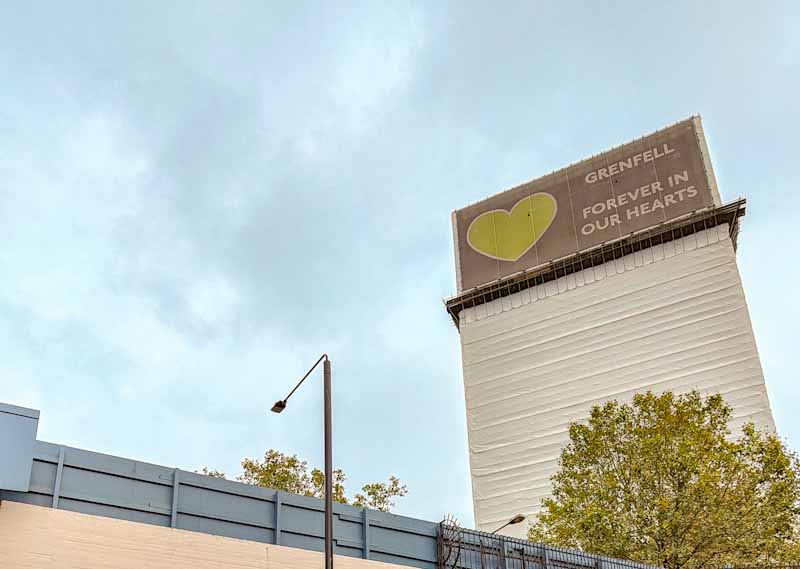
“…the system isn’t broken. It was built this way” – Grenfell Tower and OHS
The inquiry report into the Grenfell Tower fire has yet to be seriously considered from the other side of the world. However, the report is being mentioned in Australia’s emergency services and fire sectors. The inquiry has been thoroughly followed and analysed in the United Kingdom, and many excellent summaries have been published in newspapers, books, and podcasts. Australia’s cladding debate has not been to the same extent as the UK. Still, the UK’s structures, policies, processes, business ethics and neglect are certainly mirrored in Australia, which directly impacts how workplace health and safety operates here.
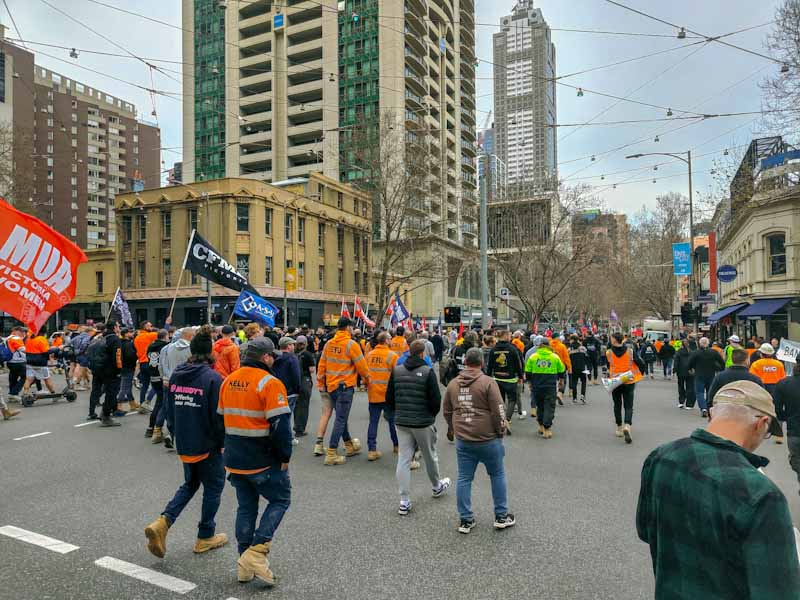
OHS and the CFMEU
Australian media and politicians have been frothing over revelations and allegations of criminal and bikie gang influence in the country’s largest construction industry trade union, the CFMEU (Construction Forestry Mining and Energy Union). The coverage has been almost entirely concerned with industrial relations, but occupational health and safety (OHS) is present in any trade union scandal, though usually on the fringes. OHS appeared in several areas of the controversy in late August 2024.
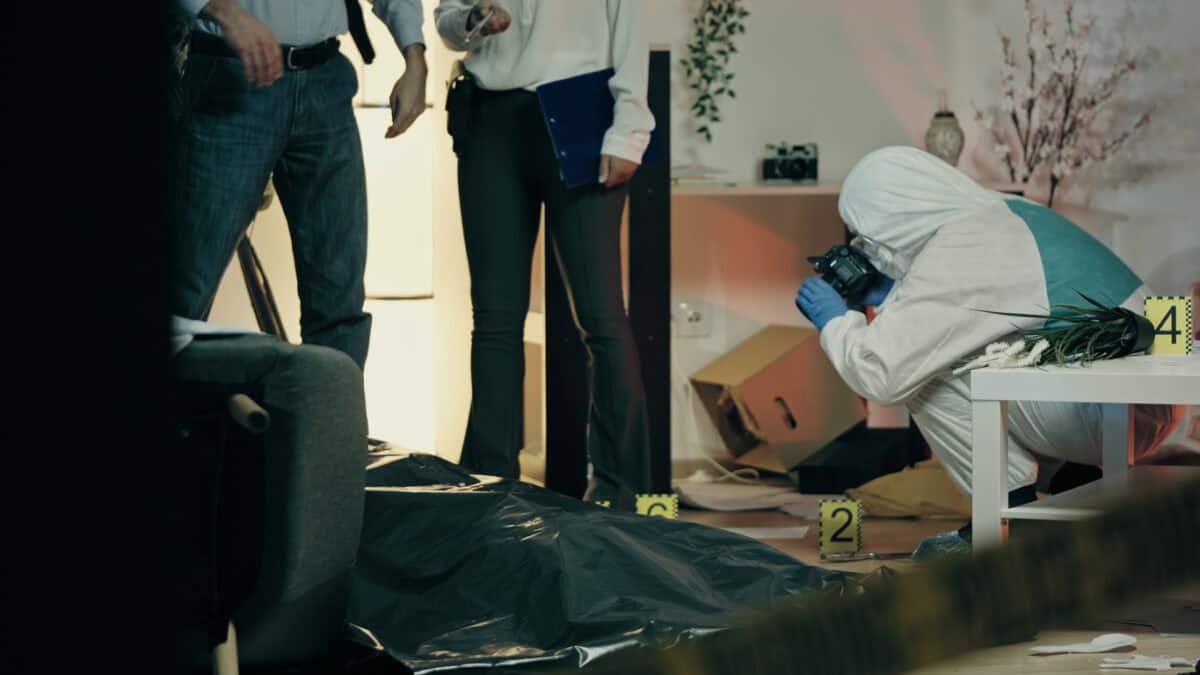
“show me the bodies”
Significant changes in occupational health and safety result from one or more work-related fatalities. To my knowledge, this has not been labelled anyone’s “rule”, but it is a sad truism, and there are examples everywhere.
Episode One of the BBC’s excellent Grenfell podcast series references the phrase “show me the bodies” as having been said by a British bureaucrat requesting more evidence of the risks of external cladding on high-rise apartments. Such a thoughtless request implies that nothing needs to be done until there is evidence of a significant likelihood of death.
However, this article is not about Grenfell Tower (which will be coming soon) but about occupational health and safety (OHS) consultation and its failure.

Kevin’s “Law of Common Sense” and the Right To Disconnect
This week, the “Right-to-Disconnect” became law in Australia. According to a prominent business newspaper, the Australian Financial Review (AFR), this is the latest example of the risk of the sky falling. It is not. Instead, the right-to-disconnect is a rebalancing of the exploitation of workers’ psychological health and that of their families. But you wouldn’t know this from the mainstream media coverage. There is no mention of mental health in the printed AFR article.

Weaponising Industrial Manslaughter
Prosecution for Industrial Manslaughter in Australia’s occupational health and safety (OHS) is supposed to deter employers from neglecting the health and safety of their workers, but there is very little evidence of effective deterrence from this type of penalty, or improved safety and healthy working conditions. Industrial manslaughter seems to have more of a marketing and political impact. It allows governments to say they are doing something tough on OHS even though the changes have little deterrence and continue to be difficult to apply to the intended corporate targets.
The Queensland Parliament has provided a recent example of the political weaponisation of Industrial Manslaughter.
“don’t trick people” – Greenwashing and Safewashing
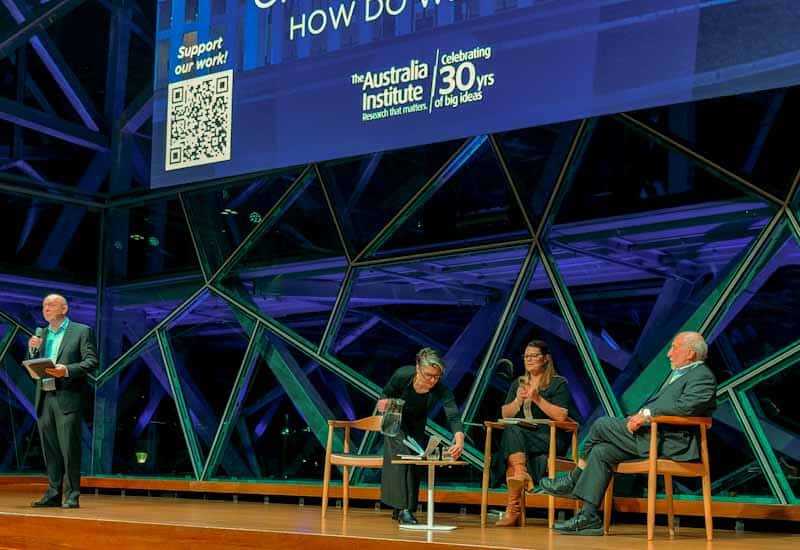
Nobel-prize winner Joseph Stiglitz does not write about occupational health and safety (OHS). However, he does write about the sociopolitical and economic context in which businesses operate and from which worker health and safety decisions are made. In August 2024, Stiglitz is touring Australia. On August 7, 2024, he addressed a packed auditorium in Melbourne.
The topic was Greenwashing. He shared the stage with Senator Sarah Hanson-Young and Polly Hemming. The event, and I think the tour, was sponsored by The Australia Institute. Why was an OHS professional at a greenwashing lecture? The tools, techniques, and preventions of greenwashing are often echoed in OHS.