“Backbone of the Nation” and safety

In 1984 I was in England during the miners’ strike, a period of profound social and political change in the United Kingdom. The politics of that period have always fascinated me, but my profession has also caused me to look at some of the attitudes to occupational health and safety (OHS). While holidaying recently in the UK, I purchased Backbone of the Nation, looking at both the politics and safety.

Subscribe to SafetyAtWorkBlog to continue reading.
Subscribe Help
Already a member? Log in here

OHS is politics

Jordan Barab is a major voice in occupational health and safety (OHS) in the United States. This year he chalks up 20 years of his Confined Spaces blog. His latest year-in-review article includes a political perspective that Australian OHS professionals and institutions should consider.

Subscribe to SafetyAtWorkBlog to continue reading.
Subscribe Help
Already a member? Log in here

No one seems to know why farm deaths have declined

This week’s Weekly Times, a major Australian agriculture newspaper, is reporting the good news that work-related deaths on farms have declined (not available online). The numbers from Safe Work Australia are positive, but the analysis of the reasons for the decline is thin.

Subscribe to SafetyAtWorkBlog to continue reading.
Subscribe Help
Already a member? Log in here

Moral distress = moral injury = workplace mental ill-health = burnout.

On December 29 2023, The Guardian newspaper’s cover story was about doctors in the United Kingdom’s National Health Service experiencing high rates of “moral distress”. It is common for hospitals and health care services to consider themselves as workplaces with unique hazards rather than suffering similar occupational health and safety (OHS) challenges to all other workplaces. What makes the OHS challenge so significant in the NHS is the size of the challenge rather than its nature or cause.

Subscribe to SafetyAtWorkBlog to continue reading.
Subscribe Help
Already a member? Log in here

Australia is the first nation to ban engineered stone due to worker health concerns

The heads of Australian work health and safety authorities have decided to ban engineered stone from the middle of 2024. Some will seed this as a win for the trade union movement ( the unions certainly will), but many occupational health and safety and industrial hygiene professionals have been leading the way in obtaining the research evidence that made this decision such an easy one to make.

Subscribe to SafetyAtWorkBlog to continue reading.
Subscribe Help
Already a member? Log in here

“made through the blood of the workers who never came home”

Last week, the Australian Parliament passed a tranche of industrial relations laws; laws that were, unsurprisingly, objected to by some business groups but included some occupational health and safety (OHS) contexts. Industrial Manslaughter was the obvious one, but pay equity and increased job certainty, if not security, for some industry sectors, has the potential to reduce job stress.

Subscribe to SafetyAtWorkBlog to continue reading.
Subscribe Help
Already a member? Log in here

OHS seems to be no more than a “nice-to-have” to Australian politicians

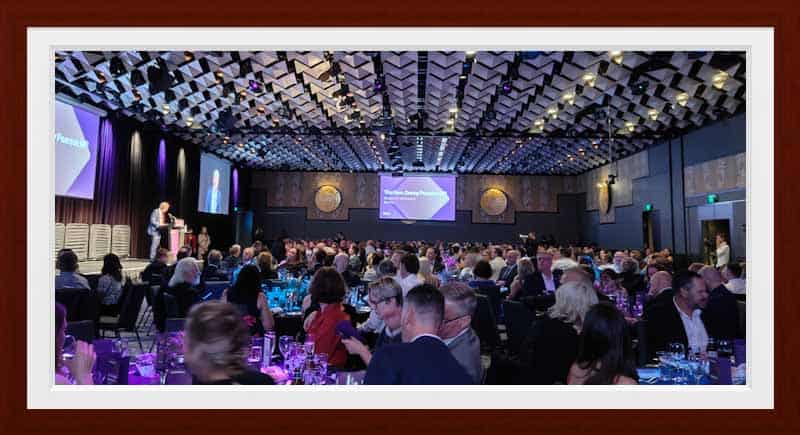
Several events or non-events at the recent 23rd World Congress on Safety and Health at Work illustrated the political attitude to occupational health and safety in Australia, especially the lack of presence of national figures on official duties.

Subscribe to SafetyAtWorkBlog to continue reading.
Subscribe Help
Already a member? Log in here
Concatenate Web Development
© Designed and developed by Concatenate Aust Pty Ltd