

Occupational health and safety (OHS) is rarely reported on in the mainstream newspapers but every week OHS is there, adding a contect to a scandal or subtext to a public health risk. Last weekend was no different. The Guardian of September 16, 2023 reported on a review of personal relationships by BP, a prison escape, deaths from air pollution, a more relaxed approach to work, shoplifting and customer aggression, and more.
Category: politics
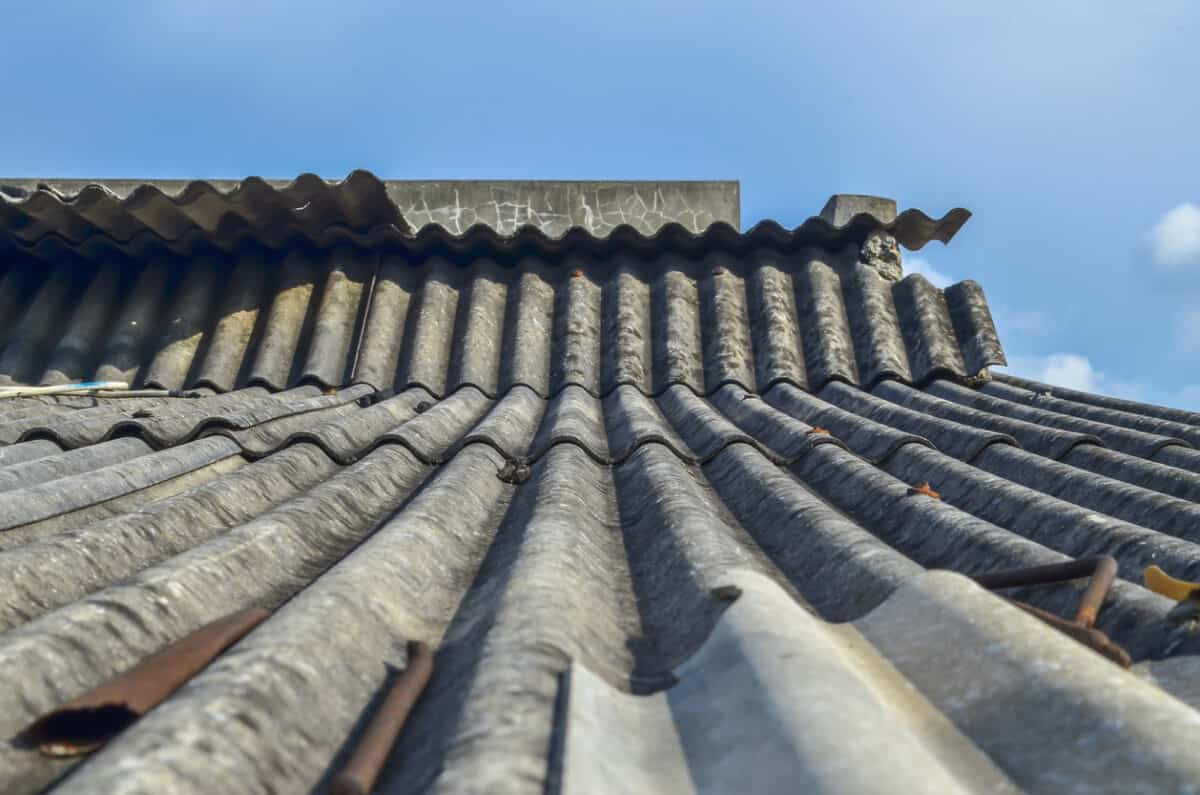
Tough Treatment for Asbestos Contamination and Thyssen Krupp’s Exit Plan
It’s been years since I have seen anything in the Australian press about companies or individuals being penalised for asbestos contamination. That despite workers telling me since being back in Australia, they have suspected asbestos when demolishing older domestic, cultural and industrial structures or even while digging shallow excavations in preparation for construction or mining.
It seems like Australian fashion for deregulation may have bitten into OHS.

RUOK? needs a refresh
RUOK? Day is held in September each year in Australia. The workplace suicide awareness campaign has been very successful, but over time, I have observed a decline in effectiveness, certainly at the local communication level. It may be a victim of its own success as almost all awareness campaigns struggle to maintain their original freshness. Perhaps it is time for a change. Perhaps that change is being forced upon us.
Why is profit put before safety?
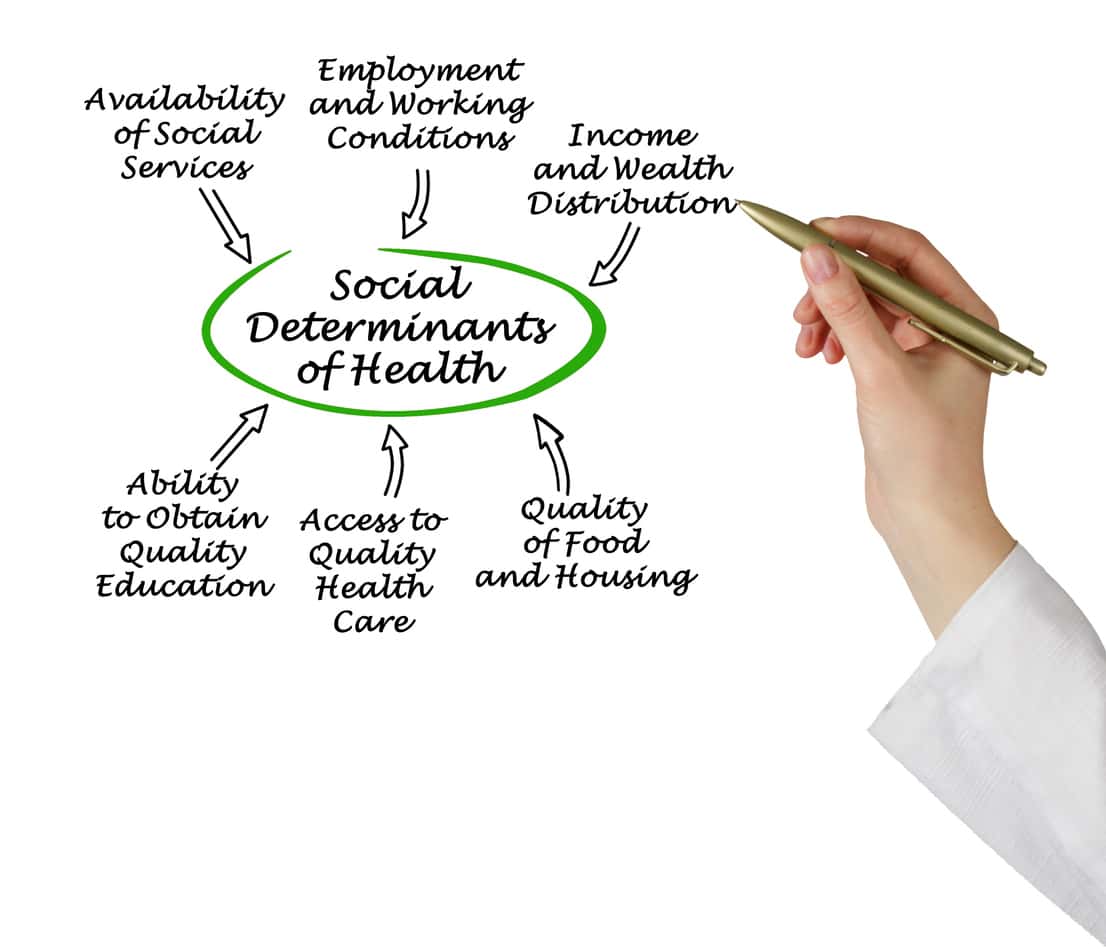
Occupational health and safety (OHS) is a remarkably insular profession. It tends to narrow its focus on legislative compliance even though Social Determinants of Health is a core unit of tertiary OHS education. OHS professionals are also notably weak in understanding the business realities that their employers and customers face. This inability to understand the economic realities is a common criticism of OHS, not reflecting “common sense” and being naïve.
To understand OHS’ limitations and potential, it is necessary to have a basic knowledge of the economic and political ideologies under which clients and employers work. “The Big Myth – How American Business Taught Us to Loathe Government and Love the Free Market”, by Naomi Oreskes and Erik M Conway, contributes to that understanding.

Softly, Softly, Catch the Monkey
As with most political party conferences, occupational health and safety (OHS) is a fringe issue. OHS or safety is sometimes mentioned in the big political speeches but often as an afterthought or obligatory mention that is rarely explored to the extent it deserves. The Australian Labor Party (ALP) recently held its national conference in Brisbane. Work health and safety was mentioned.
The ALP Conference is not intended to change Australian government policies. Its aim is to review and revise the ALP Party platform; it drops what may be redundant and improves the policy platform’s relevance. The conference may indicate party member concerns to the parliamentary members, but the government’s positions are for the parliamentary members to decide.
It should come as no surprise that the ALP has again refrained from banning the import and use of engineered stone even though the silicosis risks are well-established.
Business lobbyist misses the point
Recently the Australian Industry Group Chief Executive, Innes Willox, addressed the National Press Club in Canberra. The AIGroup is one of the “go to” business groups, along with the Business Council of Australia and mining industry groups, that the business media knows will comment on anything when asked, and frequently when not asked. Willox’s August presentation was on Industrial Relations, but it also illustrates the workplace and political culture in which occupational health and safety (OHS) must operate.
OHS lawyer says to trust your gut
Occupational health and safety (OHS) seminars can be a bit hit-and-miss. Sometimes they seem to be a front for promoting a new management program, but every so often, the information offered is perceptive and rewarding. Herbert Smith Freehills partner Steve Bell has been consistently rewarding over many years. No quoting Section 321 of an OHS Act or PowerPoint slide of obscure and semi-important court cases here. His latest seminar appearance covered
- Due Diligence,
- Industrial Manslaughter,
- Psychosocial Risk Assessments
- OHS Harmonisation.