
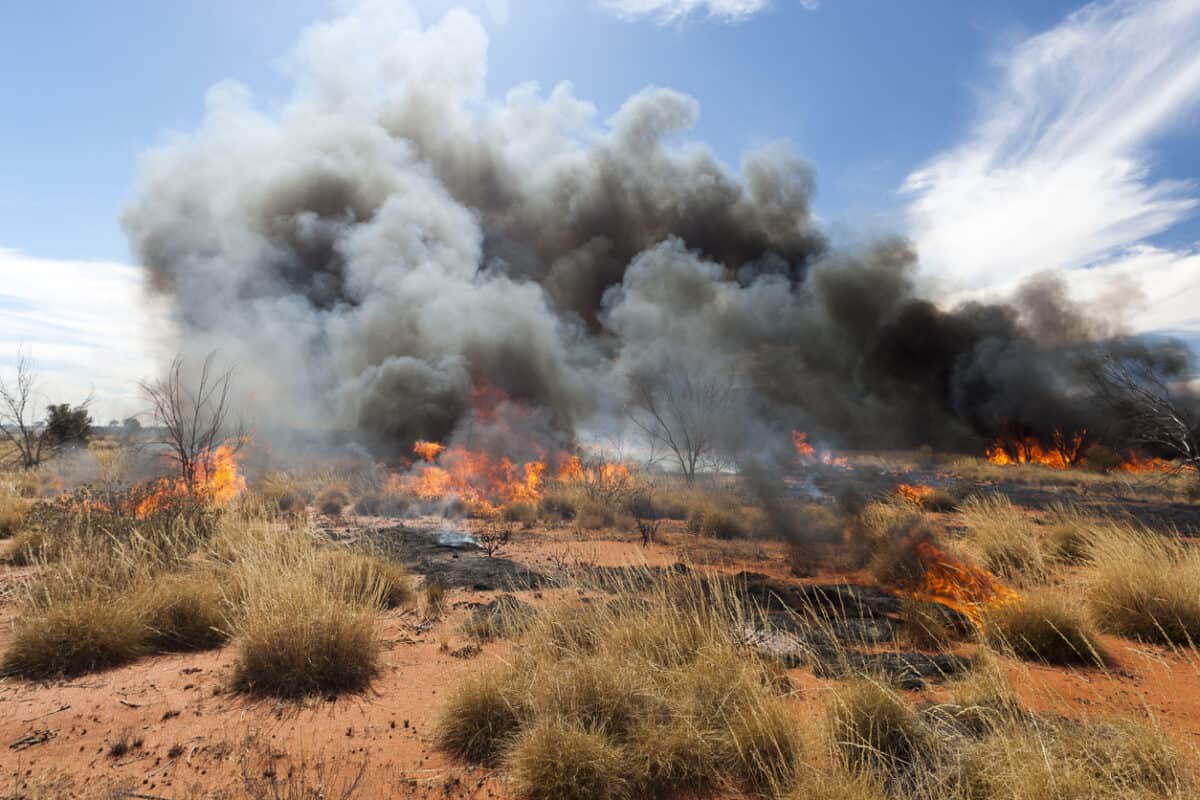
The Australian Broadcasting Corporation (ABC) has published an article about concerns by West Australian local governments with exposure to prosecution for Industrial Manslaughter under WA’s work health and safety legislation. The concerns seem wellfounded, but the article lacks a social and moral context.
Category: politics
From troublemaking to a social movement on OHS
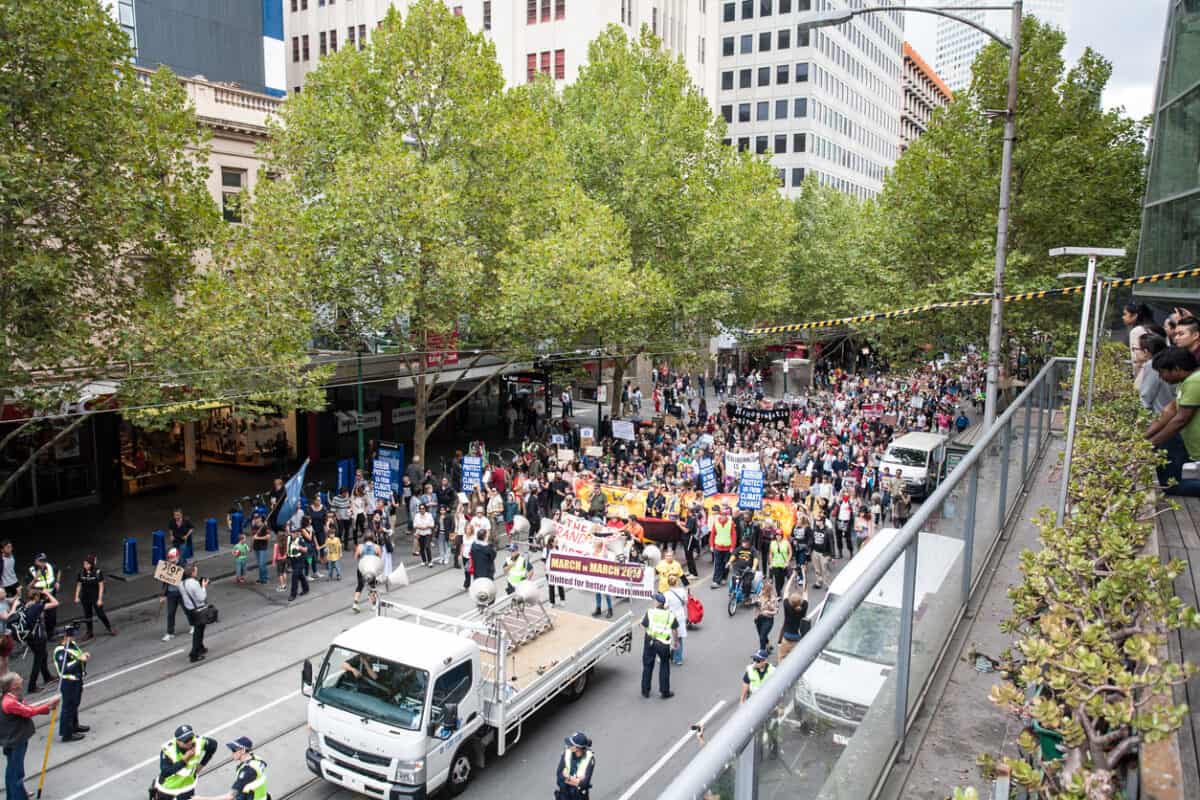
It is unlikely that the book “Troublemaking – Why You Should Organise Your Workplace” will be read by anyone outside its intended audience – trade union members and organisers. However, it should be. Organising people into protests, pressure groups, lobbyists or broader sociopolitical movements is not owned by the trade unions, although they have mastered some of the techniques.
It is possible to dip into this book for information on mobilising workers independently of trade union structures but not ideology. This approach may be particularly useful for occupational health and safety (OHS) practitioners who want to create a movement within a company, industry, or community that argues for improved workplace health and safety and to build a collaborative culture of consultation, dialogue and joint decision-making.
HSRs are one option for Consultation, not the be-all and end-all
WorkSafe Victoria’s obsession with Health and Safety Representatives (HSRs) was displayed at last week’s 2023 WorkSafe Awards night. The HSR of the Year nominations generated rowdiness in the audience, absent from the rest of the evening. The political context for emphasising HSRs in workplaces is understandable; there is always a close (and financial) relationship between trade unions and left-leaning political parties like that currently governing Victoria. HSRs and occupational health and safety (OHS) committees have been part of Victoria’s OHS legislation since 1985.
But only as one element of Consultation – a concept and principle that applies to all Victorian workplaces, not just those with trade union members or HSRs.
A curious Worksafe awards night of omissions and shadows
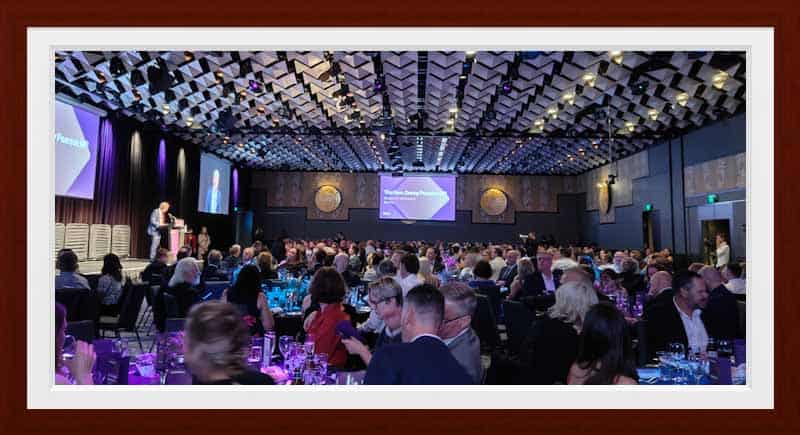
If I was asked to describe last week’s awards night conducted by WorkSafe Victoria, it would be curious. This article does not question the legitimacy of the award winners and finalists: all deserve the accolades and the glory. In fact, there perhaps should have been more of them.
The atmosphere of the event was relatively muted. There were no tables of loud finalists from previous years, but the tables associated with the night’s final award, the Health and Safety Representative (HSR) of the Year, were rowdy at the end. The Master of Ceremonies was a last-minute replacement and made little attempt to entertain. Her job was to read the script and announce the winners, and she was good at that, but there was no lively personality as in previous years, no one to warm up the crowd.

Work (re)design needs government subsidies to succeed
Last week, SafeWork New South Wales progressed the management of psychosocial hazards at work with the release of its Designing Work to Manage Psychosocial Risks guidance. This document has been a long time coming and offers significant advice on how work and people management needs to change in order to prevent psychosocial hazards. However, its implementation is likely to generate considerable opposition and confusion, or even organisational shock, if it is not able to convince employers of increased profitability and productivity from making the change.

Purposeful or lazy discussion of Right-To-Disconnect and Working-From-Home?
There is a curious development in the current discussion in Australia about the newly introduced Right-To-Disconnect (RTD). Many are conflating RTD with Working From Home (WFH) – two separate but slightly overlapping changes to the world of work – which is impeding valid and necessary discussion.
Working From Home largely emerged as a response to the coronavirus pandemic and used flimsy work structures to provide business continuity. The WFH arrangements would have been unlikely to have been so widespread without the federal government’s investment in the National Broadband Network and the commercial growth in mobile phone communication infrastructure. However, that same infrastructure and investment have contributed to the problem that Right-To-Disconnect is intended to address.
Suicide prevention needs more than business as usual
That suicide is related to workplace mental health pressures and illnesses is undisputed, but the more independent analysis on the topic, the more complex the causes become. Sometimes, suicide can be a conscious decision, still due to socioeconomic factors but factors that are not necessarily diagnosed or treated with mental health conditions.
[This article discusses suicide risks]
This reality complicates, and should complicate, strategies for the prevention of suicide. Recently, Australia’s National Farmers’ Federation (NFF) submitted its pre-budget wishlist to the government. This submission included action on suicide and mental health but in traditional ways.