Ballarat workers’ memorial

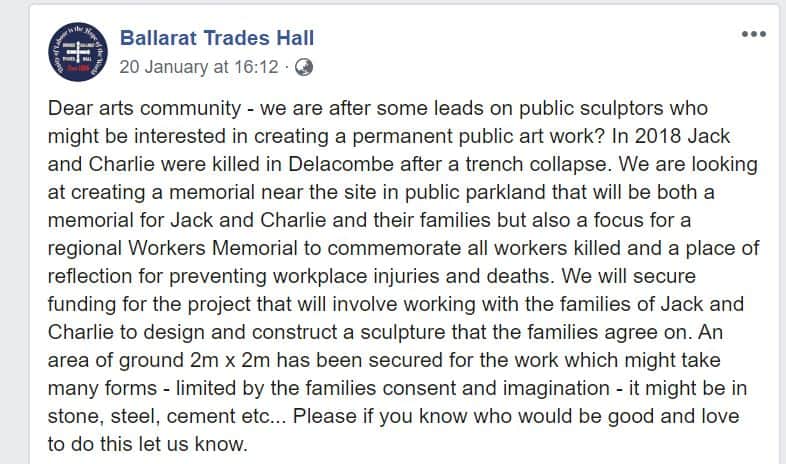
Ballarat Trades Hall is looking for an artist to design and produce a memorial to Jack Brownlee and Charlie Howkins who died as a result of a trench collapse in Delacombe, Victoria in 2018. Any memorial requires careful consideration and broad consultation with all the relevant stakeholders.
Subscribe to SafetyAtWorkBlog to continue reading.
Subscribe Help
Already a member? Log in here

Worker exploitation may be cultural but is still harmful

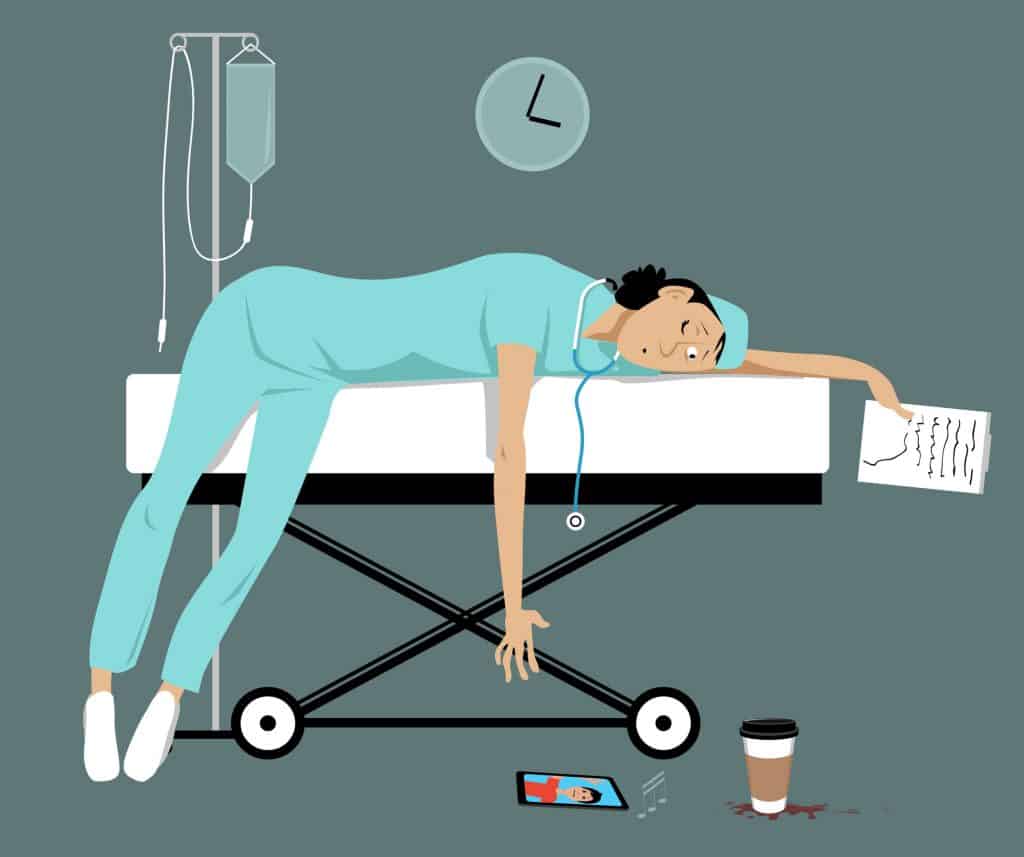
The Australian Medical Association (AMA) has released a media statement based on new research into mental illness and suicidal ideation of junior doctors. Given that the relationship between excessive working hours and mental health is increasingly becoming an occupational health and safety (OHS) issue, SafetyAtWorkBlog sought some clarification to some of the quotes in the statement attributed to AMA President, Dr Tony Bartone.

The January 23 2020 media release quoted Bartone saying:

“A healthy medical profession is vital to patient safety and quality of care, and the sustainability of the medical workforce,… Significant evidence already exists to show that doctors are at greater risk of psychological distress and stress-related problems. This new research provides clear additional insight into how the workplace can affect the health and wellbeing of the medical profession. Long working hours, unpredictable rosters, overtime, being on-call, and night shifts are significant systemic barriers to the maintenance of physical and mental health and wellbeing. There is an established link between working more hours and having higher rates of anxiety, depression, and psychological distress.”

These are the questions put to the AMA:

  • The media release lists several “systemic barriers” that are generating poor psychological health. It seems that most of these barriers would be removed or weakened if hospitals had more staff. Is the psychological harm a result of insufficient staffing levels? And is this a result of underinvestment in hospitals?
  • Is the fatigue, psychological harm, etc. a result of trying to make do with the available resources? If so, what new income or labour sources are being sought?
  • Why do you think the trend towards safe working hours stalled?
Subscribe to SafetyAtWorkBlog to continue reading.
Subscribe Help
Already a member? Log in here

Good progress, but………

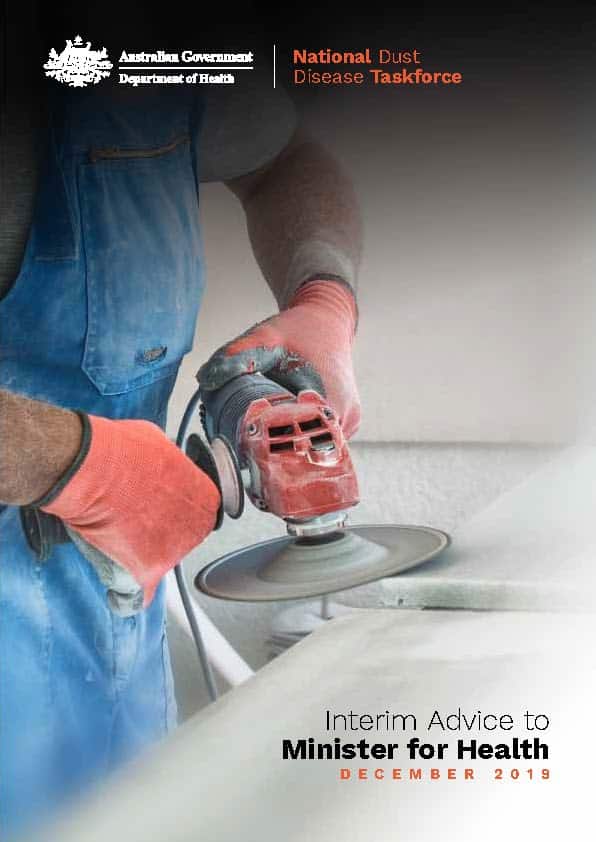
The Australian Government is starting to address the silicosis risk associated with engineered stone. The Health Minister, Greg Hunt, has said in a media release on January 23 2020 that the government will accept all five recommendations of the interim advice of the National Dust Disease Taskforce. However, some of these seem half-hearted and some actions will take a long time, which does not necessarily help those workers currently at risk.

Subscribe to SafetyAtWorkBlog to continue reading.
Subscribe Help
Already a member? Log in here

2020 OHS plans for Queensland mines

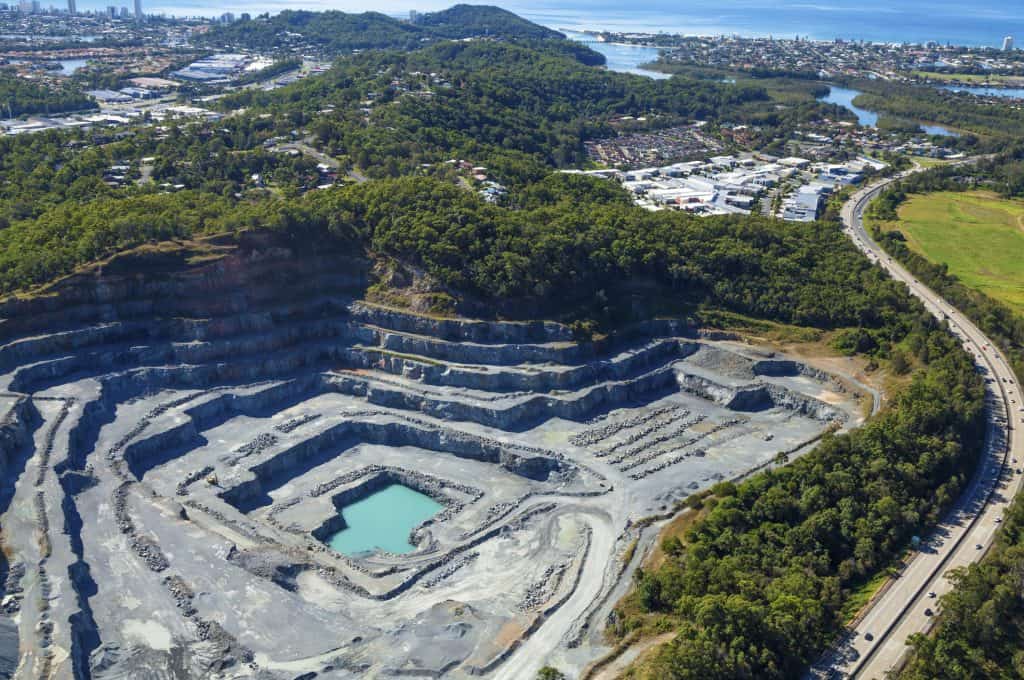
Open cut rock quarry on the Gold Coast, Queensland, Australia. Source: zstockphotos

The Queensland Government’s “Safety Reset” of its mining industry was a remarkable achievement in 2019. The government intends to be equally active in occupational health and safety (OHS) in 2020, according to a media release dated 18 January 2020. Below are its “current and upcoming health and safety reforms”:

Subscribe to SafetyAtWorkBlog to continue reading.
Subscribe Help
Already a member? Log in here

OHS needs to ride the ESG wave

The current Environmental, Social and Governance (ESG) movement can be seen as the latest iteration of companies and business owners reflecting on the broader purposes of running a business.  An earlier manifestation of this reflection was Corporate Social Responsibility (CSR).  ESG and CSR are similar perspectives from different times but with a fundamental continuity.

Occupational health and safety (OHS) is integral to CSR/ESG/Sustainability considerations but is often overlooked or considered as a business add-on, a situation that has been allowed to persist by the OHS profession, Regulators and others over many decades.

Subscribe to SafetyAtWorkBlog to continue reading.
Subscribe Help
Already a member? Log in here

Thinking beyond one’s role on OHS

“My approach tends to be revolutionary.”

A major criticism of the Australian Prime Minister’s handling of the current bushfire disaster in South-east Australia is that he was reluctant to engage in the fire fighting or relief effort. Scott Morrison’s reason was valid – firefighting responsibilities sit with the States and Territories. The Federal Government has no direct role in this.

Australian politics, and progress, continues to be hampered by the Constitutional demarcation of National and States rights and obligations, but Morrison missed the point. One does not have to be directly involved in an event to show support and leadership, and leadership can be effective in a secondary, support role. This is equally the case for occupational health and safety (OHS).

Subscribe to SafetyAtWorkBlog to continue reading.
Subscribe Help
Already a member? Log in here

Brexit, Boris and OHS

One reader has asked about the occupational health and safety (OHS) impacts of Brexit. This article looks specifically at The Conservative and Unionist Party Manifesto to identify potential OHS-related actions and intentions. The relevance for Australian readers is that UK and Australian politics frequently feed off each other.

The United Kingdom’s OHS laws have been greatly affected during the country’s membership of the European Union (EU). This has been seen as a nuisance by some but some EU safety Directives, such as Seveso 1, 2 & 3, have assisted many countries in establishing or strengthening their own regulations on specific hazards. EU safety rules seem amazingly complex for someone who has no involvement with them but then any economic community of over two dozen countries can seem baffling to an OHS writer who operates from an island with a small population in the Southern Hemisphere.

What can be said is that the UK will need to accommodate the “best” of the EU OHS laws in their own legislative structure, if it has not already. It is unlikely the UK will remove OHS rules that serve a positive, i.e. harm prevention, purpose unless there is a very good reason. But sometimes it seems that good reasons are not required, only political reasons.

Subscribe to SafetyAtWorkBlog to continue reading.
Subscribe Help
Already a member? Log in here
Concatenate Web Development
© Designed and developed by Concatenate Aust Pty Ltd