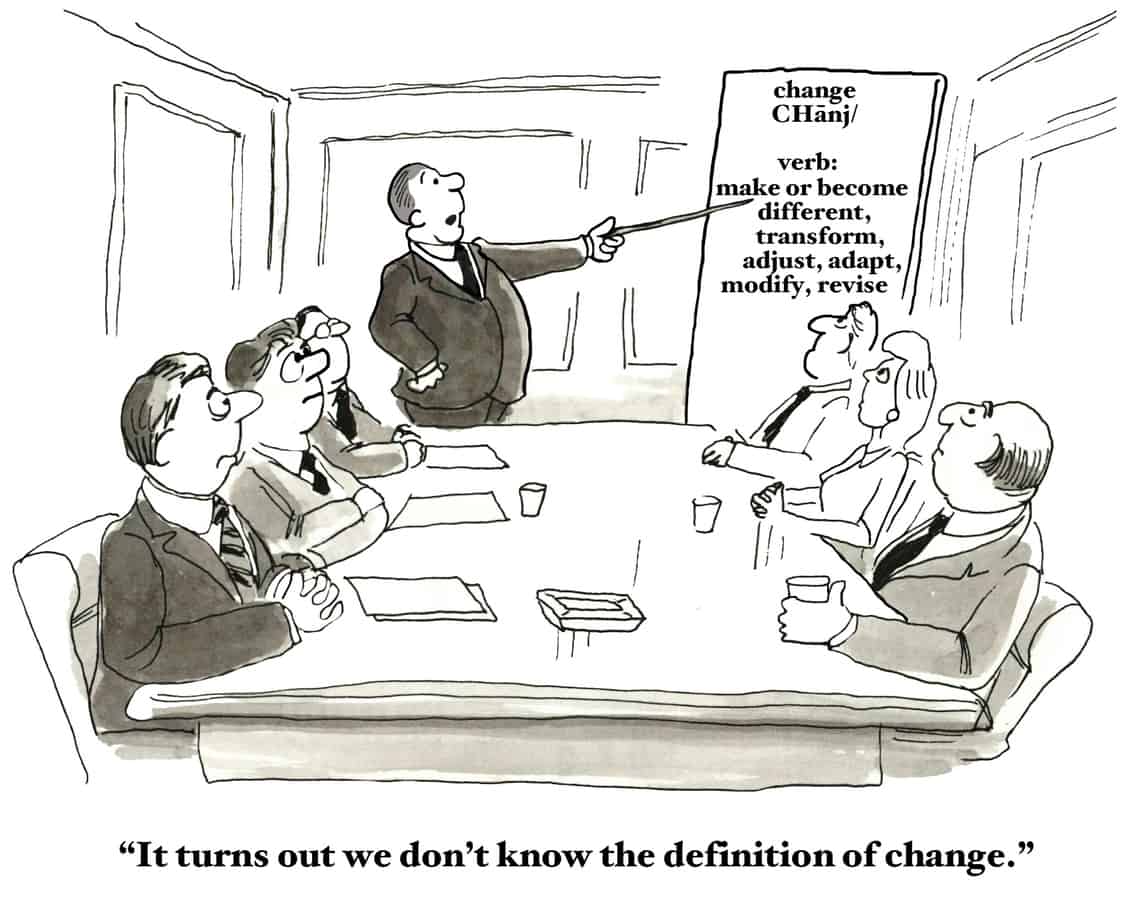
“so we know we’ve had laws, but why haven’t we had change?”

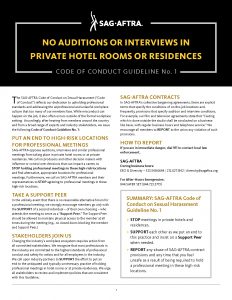
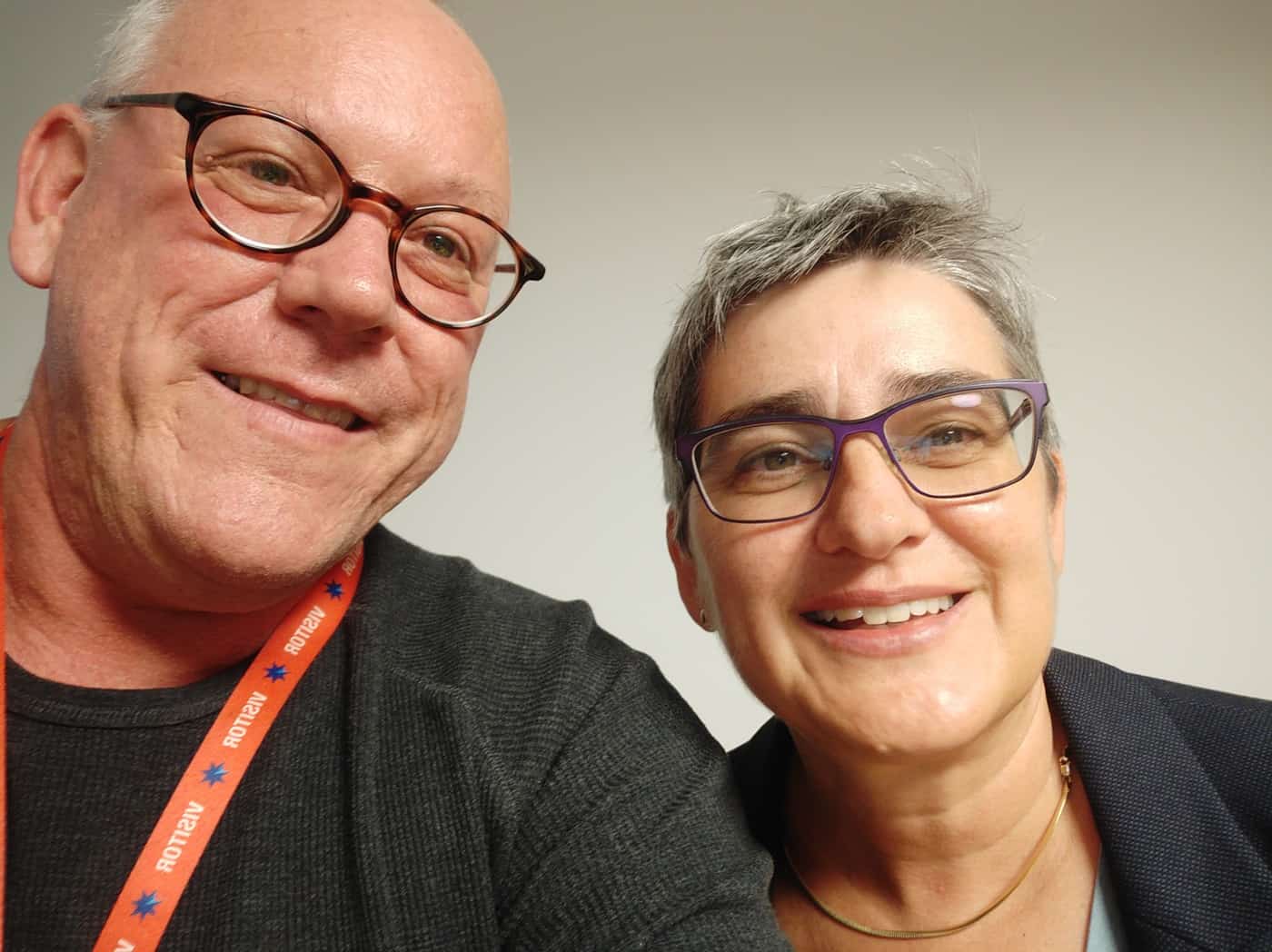
Australia’s Sex Discrimination Commissioner, Kate Jenkins, has been prominent in recent seminars about sexual harassment, particularly in the entertainment industry.  In February 2018, Jenkins spoke at a seminar in Melbourne hosted by Screen Producers  Australia and provided strong advice on how businesses can control sexual harassment.

Jenkins began her presentation with an uncomfortable reminder that business has been lax in addressing unlawful workplace behaviour.

Subscribe to SafetyAtWorkBlog to continue reading.
Subscribe Help
Already a member? Log in here

Embrace the irrational

In 2008 the brothers Brafman wrote “Sway: The Irresistible Pull of Irrational Behavior“.  They tell the story of Ori Brafman being told, on his first day in his MBA course in Tel Aviv in the 1980s, that

“People aren”t rational.”

In my 1990s tertiary course into OHS Risk Management, we were still being referred to the 1965 book, “The Rational Manager“.  Occupational health and safety (OHS) seems to still be based on an assumption of rationality in OHS management systems, decision-making and working yet it does not take too much exposure to the reality of work to understand that we must anticipate irrationality.

Subscribe to SafetyAtWorkBlog to continue reading.
Subscribe Help
Already a member? Log in here

Farm newspaper supplement gets a good wrap

The Weekly Times newspaper has included an 8-page wraparound to its 7 February 2018 edition about workplace safety. The supplement is timely, the contents are indicative of cultural and political changes and the supplement is a nice summary of the multiple hazards and management approaches needed in agriculture (the same as in most industries, really).

Data quoted liberally from

Subscribe to SafetyAtWorkBlog to continue reading.
Subscribe Help
Already a member? Log in here

New farming incident statistics

The latest statistics of farm injuries from the Australian Institute of Health and Welfare provide a useful insight in to the workplace risks of Australian farms. Given the workplace focus of the SafetyAtWorkBlog, and the articles written about the risk of working with quad bikes, the following statistics are of great interest:

For quad bikes, almost 90% of injuries were sustained by the driver in people aged 15 and over.” (page 9)

For injuries involving quad bikes, males accounted for two-thirds (66%) of all hospitalisations for children aged 0–14 and almost 80% of all hospitalisations for people aged 15 and over.” (page 9)

Subscribe to SafetyAtWorkBlog to continue reading.
Subscribe Help
Already a member? Log in here

Who reads the Robens Report and who will write the next one?

“Every year something like 1,000 people are killed at their work in this country. Every year about half a million suffer injuries in varying degrees of severity. 23 million working days are lost annually on account of industrial injury and disease.”

The existence of this statement is of no surprise to occupational health and safety (OHS) professionals. Similar statements are made all the time.  The sad surprise of this quote is that it appeared in 1972 on page 1 of the Safety and Health at Work – Report of the Committee 1970-72, otherwise know as the Robens Report.

Perhaps it is time to begin contemplating what OHS fundamentals we should apply in the next generation of workplace safety health and wellbeing laws ?

Subscribe to SafetyAtWorkBlog to continue reading.
Subscribe Help
Already a member? Log in here

The reality is all about perception

Occupational health and safety (OHS) policy makers are keen on making decisions based on evidence.  But evidence seems hard to get, for many reasons.

Some people, including those in workplace relations and OHS, often fill the evidence gap with “anecdotal evidence”.  Frequently people being interviewed are asked for evidence to substantiate their claims and respond that “anecdotally” there is a problem yet there is no sample size for this evidence, there is no clarity or definition of the incident or issue – it is simply “what I heard” or “what I’ve been told”.  Using anecdotal evidence is okay as long as its inherent uncertainty is acknowledged and it is not used as a basis for substantial change.

Subscribe to SafetyAtWorkBlog to continue reading.
Subscribe Help
Already a member? Log in here
Concatenate Web Development
© Designed and developed by Concatenate Aust Pty Ltd