
 In November 2017, SafetyAtWorkBlog wrote about a pilot occupational health and safety (OHS) and wellness program created by the Victorian Arts Centre. At the time the future of this very good program was in doubt as continuing funding was not available.
On August 30 2018, Victorian Premier, Daniel Andrews, pledged some funding to the Arts Wellbeing Collective. How much funding has not been revealed but providing a future for the program is a sound OHS and political move.
A major attraction of the Arts Wellbeing Collective is that it was an initiative from outside the established OHS and Human Resources networks. This cuts out a lot of baggage but also risks acting without an understanding of what has gone before.
Perhaps more importantly, this program is not a response to the Weinstein issues or the #metoo agenda. It was developed prior to both of these events but will benefit from the profiles these tragedies have created. All strength to it.
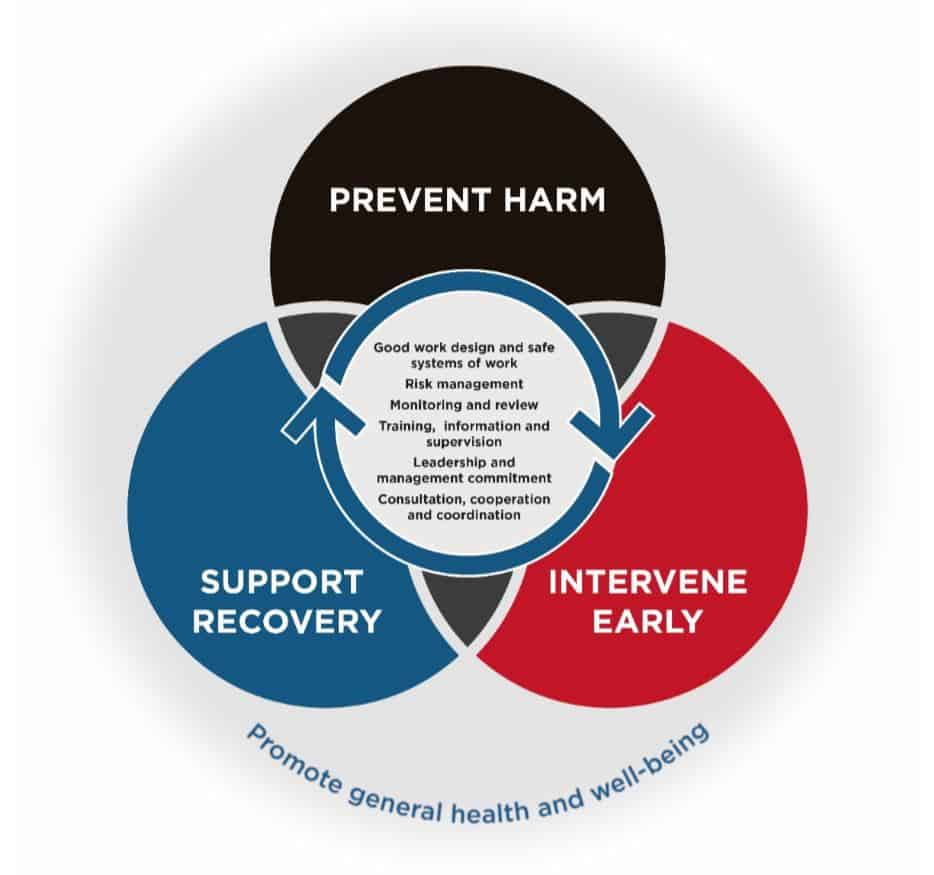

 Safe Work Australia’s
  It is important to note that “
 Data about occupational health and safety (OHS) and work-related psychosocial injuries has often been described as being hard to find. In some ways it is not necessarily hard to find but difficult to access. An untapped source of data is the records of illness and leave taken that is usually held by the Human Resources (HR) departments, often named “People and Culture”or some variant. This type of data could be invaluable in determining a workplace psychological profile, if the HR departments would trust OHS professionals more, or release this data in a format that would allow OHS professionals to assess risks while maintaining employees’ privacy.