
There were three books that I left off my Christmas/Summer reading list. Each of them important for my occupational health and safety (OHS) professional development and personal curiosity.
 The first is Rethink – The Surprising History of New Ideas by Steven Poole. This books looks at what we think are new ideas and sees the precursors or the ideas’ previous appearances. I was attracted to this perspective because I am seeing a lot of new ideas in OHS that are familiar and similar to what has come before. Continue reading “More books on the Christmas list”
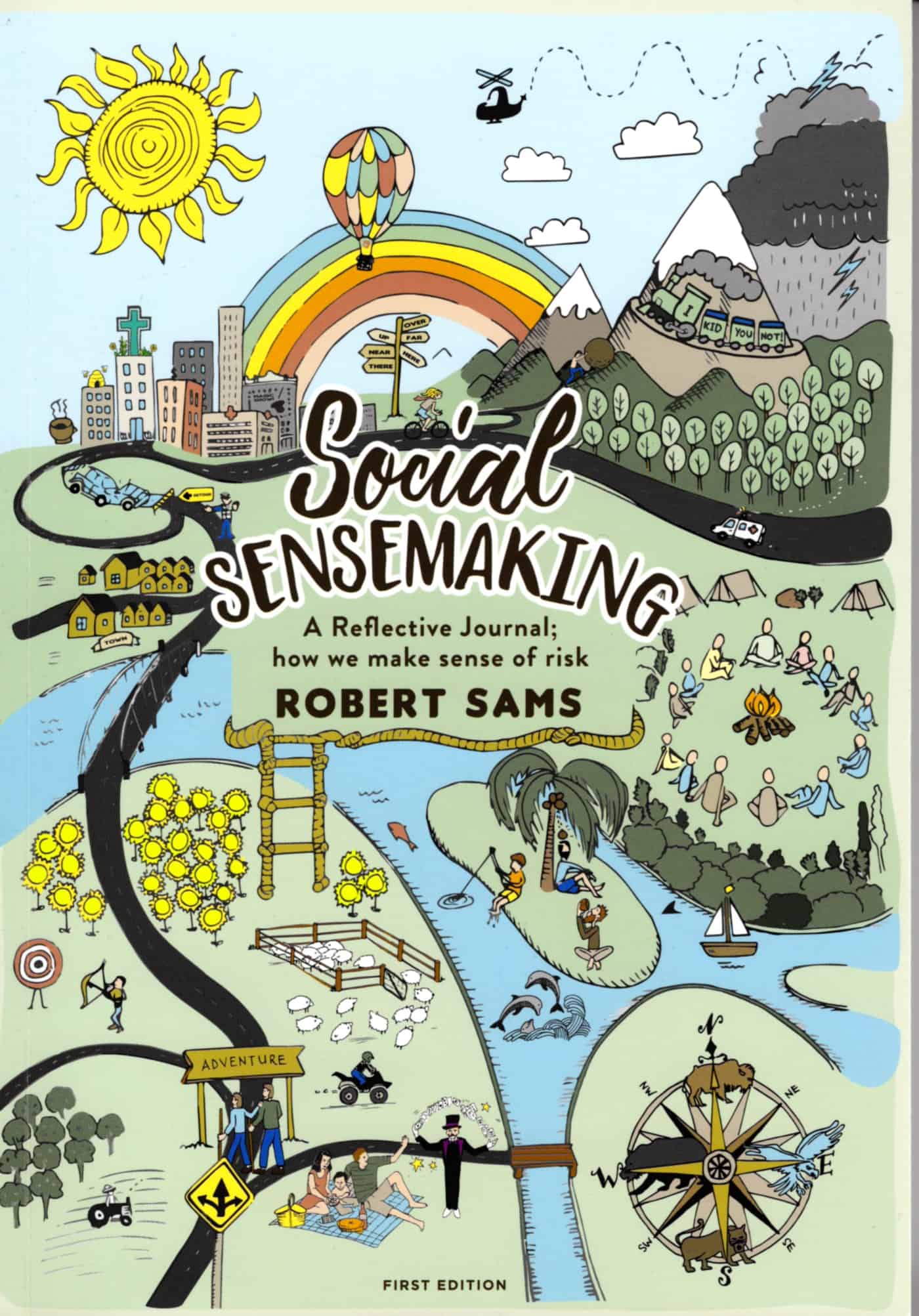 The media is full of lists of Christmas reading, usually in order to sell books. Below is a selection of the safety-related books that are in my Summer reading pile. (No, I am not going to list the Batman comics or Star Trek books. That would be embarrassing.)
 Fatigue and impairment are two of the most difficult workplace hazards to address. These are further complicated when they are contextualised in workplace mental health. So it is concerning when an entrepreneur produces a product that is meant to help address mental fatigue but that may also mask occupational health and safety (OHS) actions that are required to provide truly sustainable workplace improvement.