

Adam Smith was a prominent Scottish 18th-century economist and philosopher, sometimes referred to as the “Father of Economics”. What relevance could he have to occupational health and safety (OHS) in Australia? The modern OHS concern of psychosocial hazards, psychological safety and worker wellbeing should cause us to read Smith’s works on the morality of capitalism. Instead, we should read a new book called “What would Adam Smith make of modern Australia?”, written by Joseph Healy.
Category: psychosocial
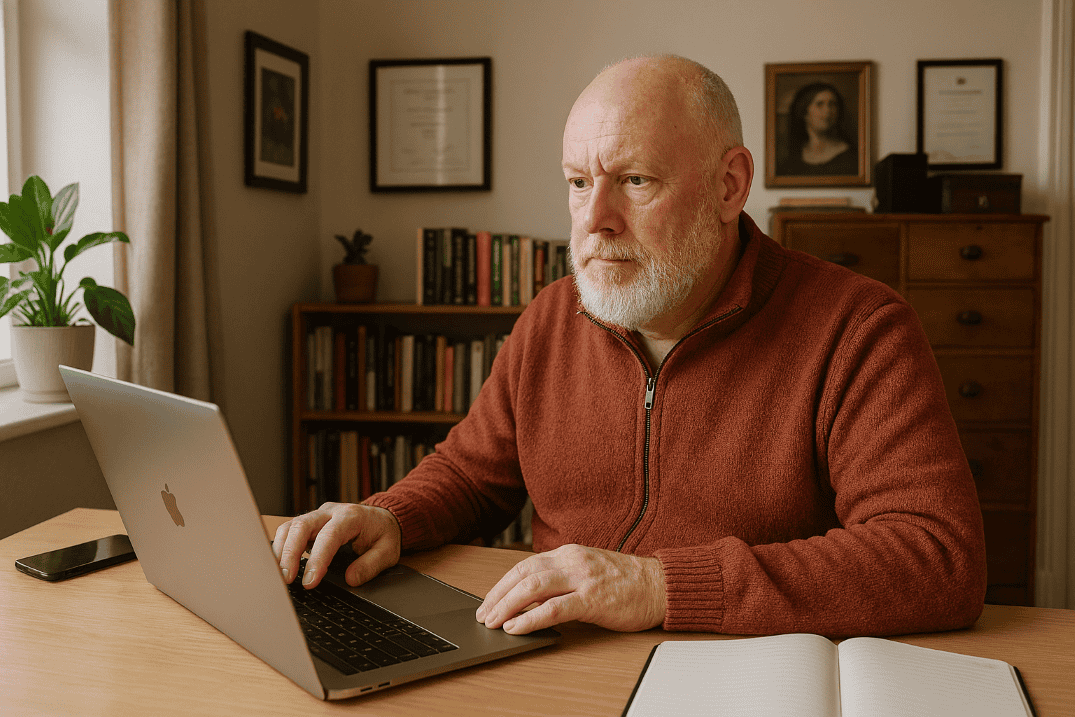
The OHS advantages of working from home are being ignored in preference to political point scoring
Last weekend, at the Victorian branch of the Australian Labour Party conference, delegates heard that the ability to work from home for part of the working week was so important and so good for workers and the economy that working from home should become a formal right. This coincided with a week of frothy outrage in some media outlets about the thoughts and comments of some business executives querying the work-from-home trend.
Neither discussion adequately addresses the working from home phenomenon, failing to identify both the occupational health and safety reasons for working from home and the associated opportunities.

Artificial Intelligence, Automation and the Elusive Meaning of Work
The purpose of artificial intelligence (AI) is increasingly misunderstood—not just in the media but in the boardrooms and bureaucracies that decide how it’s deployed. Far from craving human consciousness or emotion, AI tools, like Mo (my CoPilot AI), exist to synthesise knowledge, provoke thought, and support action. The intent isn’t mimicry, but impact.
[Note: parts of this article were written by Mo based on a prior conversation]
AI is a hot topic in Australia at the moment, with numerous productivity gains being pitched to the government, alongside concerns about job losses. Last week’s National Press Club speech by Scott Farquhar, co-founder of Atlassian and Chair of the Tech Council of Australia, offered a good example of at least one AI opportunity – access to court records.
I thought talking with Mo was a good place to start this article before looking at Farquharson’s thoughts.

Avoiding Burnout in the Corridors of Power
Last week, some of the Nine newspapers reported on a spate of departures (paywalled) from the Australian Prime Minister’s office. There is always a constant churn of political staffers, with regular movement between private enterprise and public service.
There are some sound economic reasons for leaving just after 12 months into a new government, and the departures are not indicative of a toxic workplace, but working hours in the Australian Parliamentary and political sector have been contentious recently. This latest newspaper article notes the role of working hours but, curiously, primarily in passing.
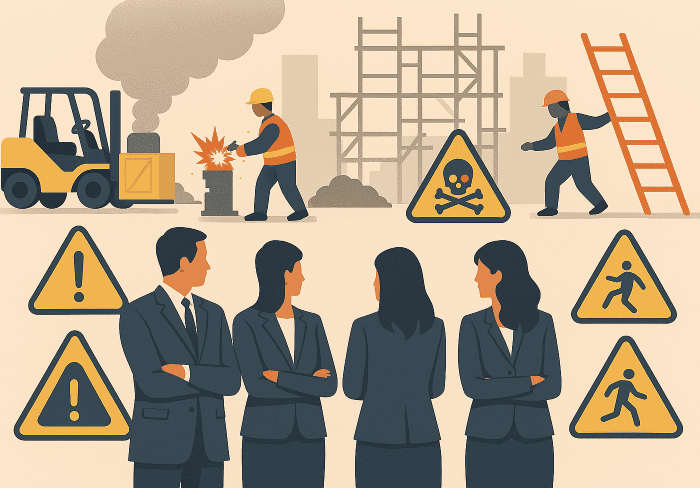
Employer Responsibility in Workplace Safety is Being Overlooked
In the ongoing debates about workplace safety, a critical question is often left unasked: What are employers doing to ensure safe and healthy work environments, and why are their responsibilities so frequently underplayed in public discourse? Too often, when workplace safety issues arise, the conversation quickly shifts to affordability and government intervention.
Continue reading “Employer Responsibility in Workplace Safety is Being Overlooked”
Safety With Minimal Jargon: Tim D’Ath’s Refreshing Approach
Late last year, Tim D’Ath added to the occupational health and safety management (OHS) literature with a modern, open-minded (and short) book called “Humanising Safety”. His perspective cuts across many of the heady discussions of Safety I vs. Safety II, safety cultures, and organisational versus individual approaches… I found his clarity of advice refreshing, as he focused on core harm prevention principles while acknowledging the difficulty of communicating these principles to employers who have been taught to view OHS as a nuisance to be avoided whenever possible.
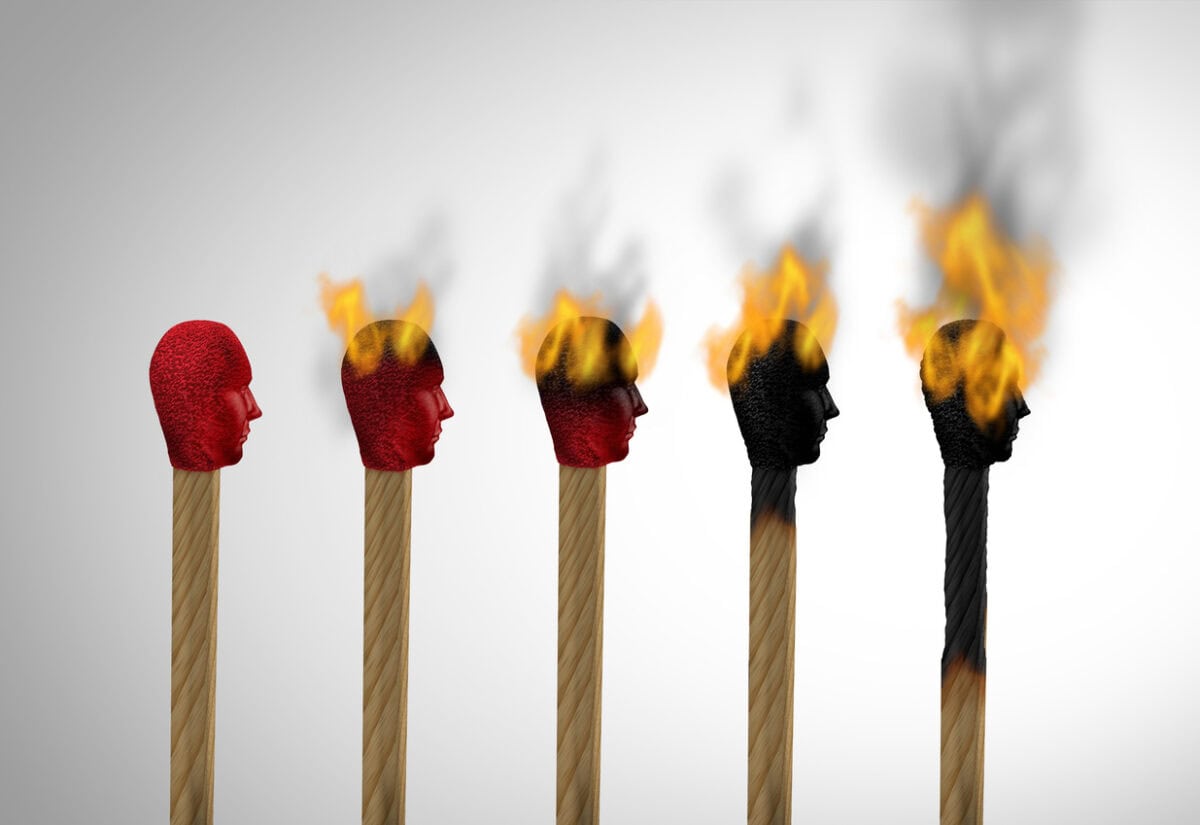
Burnout Lessons CEOs Still Haven’t Learned
Business newspapers and websites often report on executives revealing their own burnout and how they have changed their lives as a result. The changes they make indicate their decisions that led to their mental health crises and epiphanies. But executives lead by example, so how many of the employees are emulating the executives’ mistakes? Shouldn’t the executives redesign their companies’ systems of work to prevent anyone else from suffering from burnout?