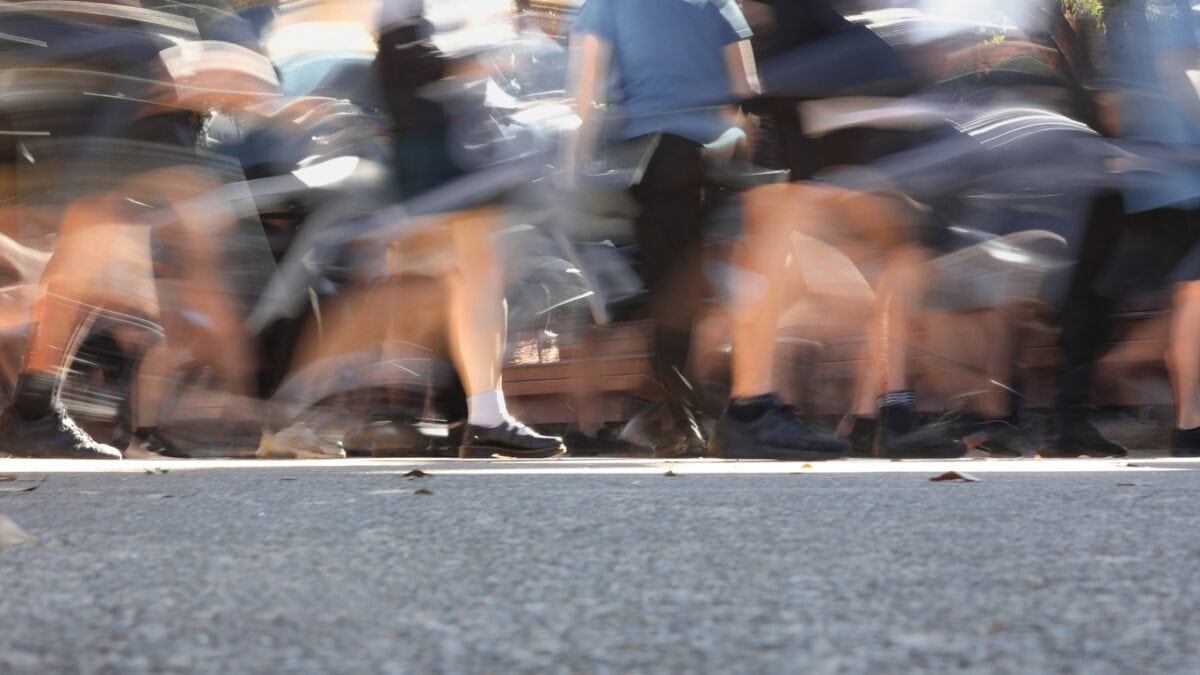
Australia has held an annual “Go Home on Time Day” for many years, but the amount of unpaid work workers give to their employers and the time their families miss out on remains high. Looking at new data in light of the legislative need for Australian employers to identify and assess psychosocial hazards, there are noticeable changes that employers need to make to comply with their occupational health and safety (OHS) obligations.
Category: psychosocial
Paved with gold and lined with threats
Sexual harassment in Australia’s fly-in, fly-out (FIFO) female mining workforce is well-established after several official inquiries. Sadly, it appears that some of the European holiday visa workers were not aware of the risks, according to a report in The Observer newspaper on November 14, 2025.
Unsafe Back Then, Unsafe Now. Why Leadership Must Change
To truly understand occupational health and safety (OHS) issues, it is necessary to examine OHS concerns beyond one’s own industry. Recently, this blog has reported on some parliamentary debates on OHS in the horse racing industry. The November edition of The Monthly includes an exposé of the OHS of Australia’s horse racing industry by freelance writer, Madison Griffiths, with lessons for all of us on morality, Godliness, accountability and leadership. The article is paywalled but well worth the purchase.
Executives Misread Victoria’s WFH Proposal
The Victorian government’s move to legislate a right to work from home (WFH) at least 2 days per week continues to irritate some Australian executives. So, what is their problem with the proposal of a law that reflects the current practice in most Australian workplaces? Don’t they have other priorities to manage?
Stretching Programs Miss the Mark on Injury Prevention
A recent edition of the Professional Safety Journal from the United States included a cover story about pre-work stretching. This common activity on some construction and manufacturing sites is promoted as a means of preventing injury or reducing the severity of, especially, musculoskeletal injuries, but I don’t think there ever was evidence to support either of these intentions, and there still isn’t.
Is the era of resilient people over?
In occupational health and safety (OHS) one hears about resilience usually in terms of psychological health and the ability to cope with stress. Applying a primary focus on resilience to prevent and manage mental health at work has been discredited, but resilience has a broader application and one that echoes the OHS-based concerns.
Beyond COVID Toward Safer Smarter Workplaces
The recent COVID-19 pandemic is over, but the virus and risk continue. Like any biological hazard that occurs in or affects workplaces, occupational health and safety (OHS) personnel need to be ready to respond appropriately should the hazard emerge or expand.
It is generally accepted that Safe Work Australia responded as quickly as possible when developing COVID-19 guidance, given that everyone was trying to work out what the hell was happening. Shortly before the pandemic, WorkSafe Victoria had published the first edition of a guide on how employers could respond to pandemics.
But where is Australia at now? How prepared are we for the next disease pandemic or epidemic? I asked Safe Work Australia and WorkSafe Victoria for an update.