

One of the best summaries of burnout was an article in The Guardian on February 15 2026, written by Zing Tsjeng, titled “Facing meltdown? Over 75% of people suffer from burnout – here’s what you need to know” (paywalled). It has its flaws, but the selection of sources, including Christina Maslach, is impressive.
Category: psychosocial
Revisiting the Human Condition of Work: Why Dignity Still Sits at the Centre of Safety
Discussions about “the human condition” rarely make it into board papers or safety strategies, yet they sit underneath almost every modern workplace challenge. Whether we’re talking about psychosocial hazards, insecure work, presenteeism, or the slow cultural erosion that comes from constant restructuring, the through‑line is unmistakable: work is a profoundly human activity, and when we forget that, harm follows.

Queensland’s Burnout Problem Is Political Not Clinical
Queensland doctors face an increased risk of burnout, but details have not been shared.
Several Australian media outlets reported on some survey results provided by Queensland Health, such as:
““One of the key results was that 49 per cent of clinicians surveyed met the threshold for risk of burnout, with burnout risk higher in rural and regional areas compared to metro areas.”

OHS Reform: The Allan Government’s Best Chance to Rebuild Trust
Occupational health and safety (OHS) is rarely addressed in election campaigns, and the Victorian election in November is likely no exception. However, there are OHS issues that need to be discussed and addressed, and there may also be a political advantage.

The American Approach to Psychological Safety
Harvard Business Review (HBR) is an active publisher of articles on business management. In 2024, it released a collection of essays on psychological safety as part of its Emotional Intelligence series. HBR’s psychological safety advice is written for a U.S. corporate audience. It largely ignores the legislative duties that shape psychosocial risk management in Australia, so the advice should be considered with great caution.
When Ideology Masquerades as Analysis
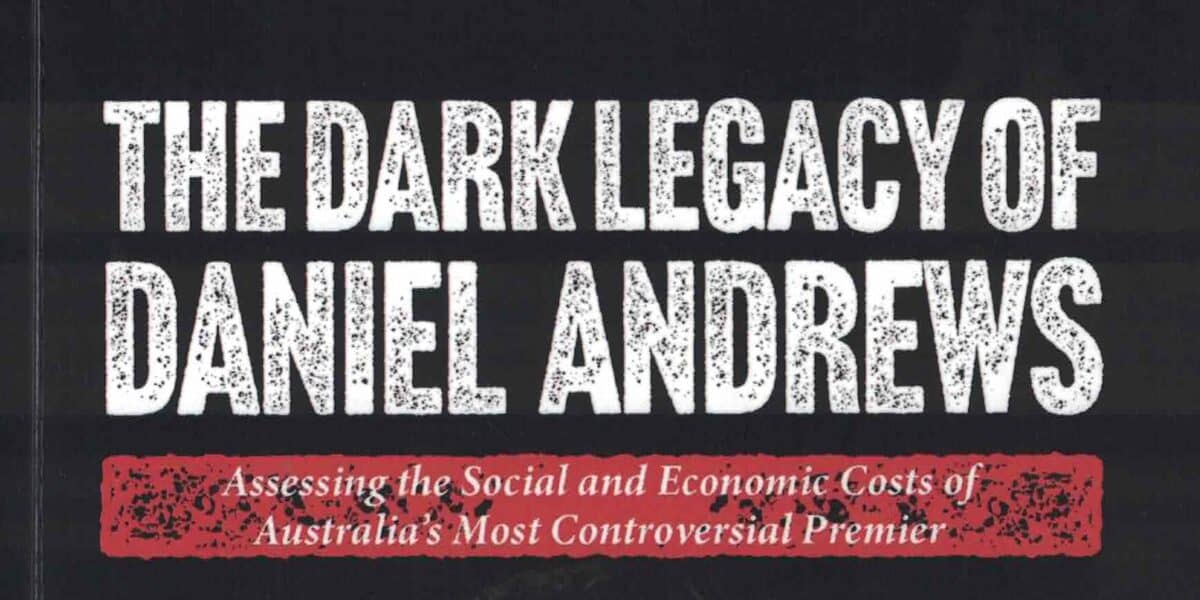
I pride myself on listening to a broad range of views, so I purchased a recent book called “The Dark Legacy of Daniel Andrews – Assessing the Social and Economic Costs of Australia’s Most Controversial Premier“. Reading it stretched my patience as few of the various writers acknowledged that Premier Dan Andrews saved many lives during the COVID-19 pandemic, even though his very long lockdowns were economically and psychologically damaging.
I read this book looking for factual accuracy, analytical rigour, ideological framing, and relevance to OHS. It missed almost all my expectations.
How Regulatory Ideology Shapes Work Health and Safety Outcomes
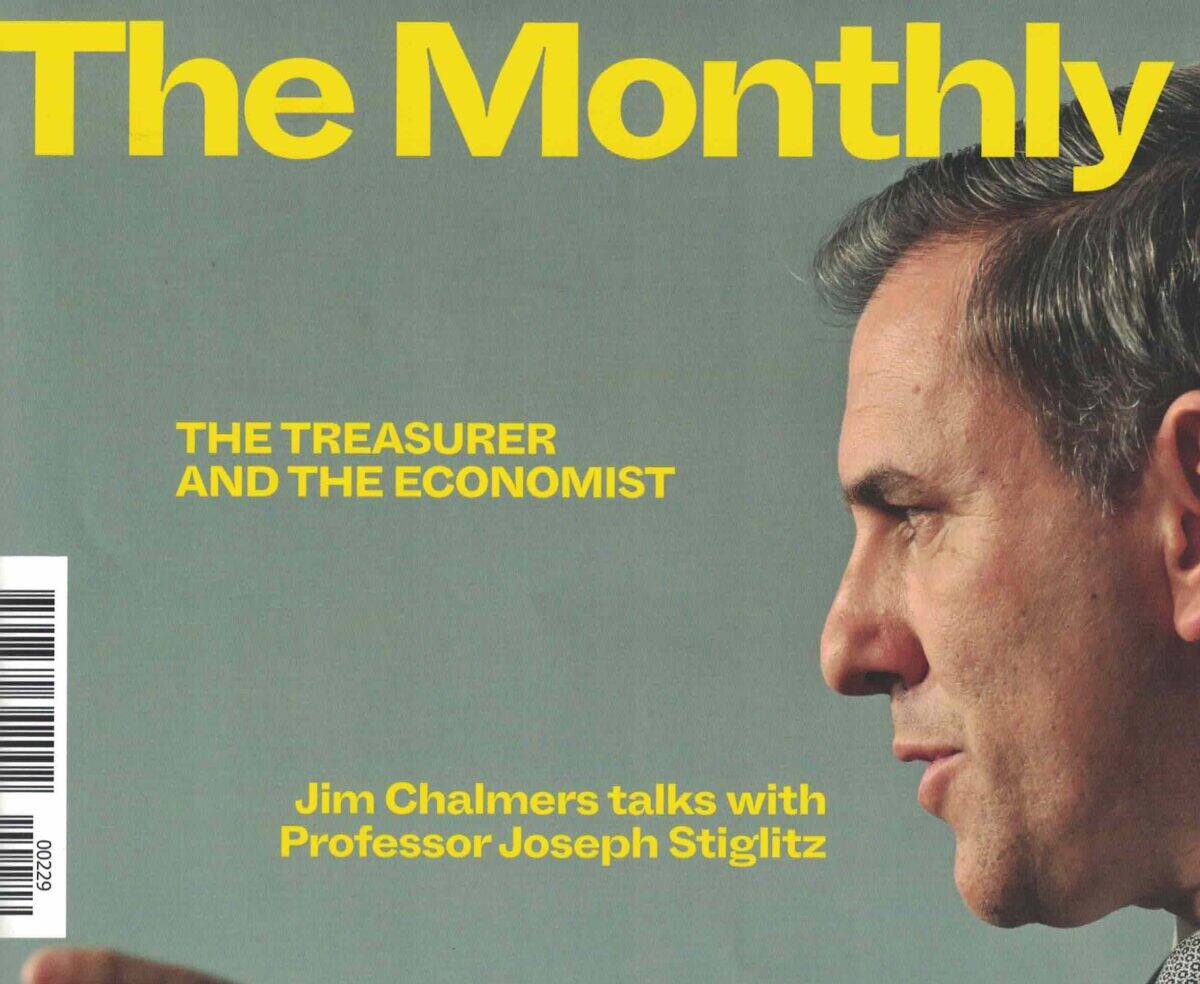
Australian Treasurer Jim Chalmers and economist and Nobel Laureate Joseph Stiglitz are old friends. One of their conversations was turned into the lead article in the February edition of The Monthly (paywalled). Several of their thoughts impinge on how occupational health and safety (OHS) laws are applied and may be reformed.