What’s not worked on workplace mental health

We need to seek alternative perspectives to better understand ourselves and our place in the world. In 2020,Takenori Mishiba wrote about comparative perspectives of workplace mental health laws. The book has been published in a more affordable paperback edition very recently. The attraction of this book is that Australia was not part of Mishiba’s research.

On the first page, Mishiba states that:

“…there is currently no precise legal definition of mental health.”

This alone should generate great concern in the occupational health and safety (OHS) discipline.

Subscribe to SafetyAtWorkBlog to continue reading.
Subscribe Help
Already a member? Log in here

Possible Treasury and Industrial Relations white papers before the Job Summit and October Budget

So what level and type of well-being budget did Dr Jim Chalmers commit his government to? A lot less than we anticipated last week. Dr Chalmers gave a nod to the work of his New Zealand counterpart but seems to be waiting for further discussion in the “jobs summit” in September 2022.

Michelle Grattan has written that:

“A coming test for consensus will be the September jobs summit. This will be an ideas-gathering exercise, but the government will also want to shape it as a prelude to the October budget, and that will require some common messages.”

Regardless of Dr Chalmers’ intention to develop a well-being budget, the jobs summit will have the same tripartite of industrial relations and occupational health and safety (OHS) invitees. Unless Dr Chalmers and Treasury offer up something fresh, like an OHS perspective on the prevention of mental health, innovation is unlikely. Little more than “in-principle” agreements should be anticipated.

Subscribe to SafetyAtWorkBlog to continue reading.
Subscribe Help
Already a member? Log in here

The well-being budget is OHS’ time to make its case for inclusion

The Australian Treasurer, Dr Jim Chalmers is receiving good media attention for his thoughts on a “well-being budget”. This newsworthiness has been helped by American economist Joseph Stiglitz being on an Australian speaking tour at the same time. Stiglitz strongly advocates using socioeconomic measures to complement traditional economic measures. Well-being budgets shift how governments view policies, programs and strategies in a similar ideological fashion to how we should consider safety differently. The occupational context of well-being is well-established, but this new approach to measurement may challenge those established well-being programs.

Australia is not ignorant of the well-being budgets. It is not something created by Chalmers or just imported from New Zealand.

Subscribe to SafetyAtWorkBlog to continue reading.
Subscribe Help
Already a member? Log in here

Sunlight on “an atmosphere of fear’

The Queensland Government and Premier Annastacia Palaszczuk have been under heavy criticism for their workplace cultures and leadership since the release of the Coaldrake report last week – a “review of culture and accountability in the Queensland public sector”.

The report is very critical of the Queensland government’s management of the public service, identifying problems with the overuse of external consultants, issues of unfairness, the lack of transparency and openness, bullying and more. These findings could apply to most of the contemporary public sectors in Australia nationally and locally (as well as most medium- to large-sized companies).

Subscribe to SafetyAtWorkBlog to continue reading.
Subscribe Help
Already a member? Log in here

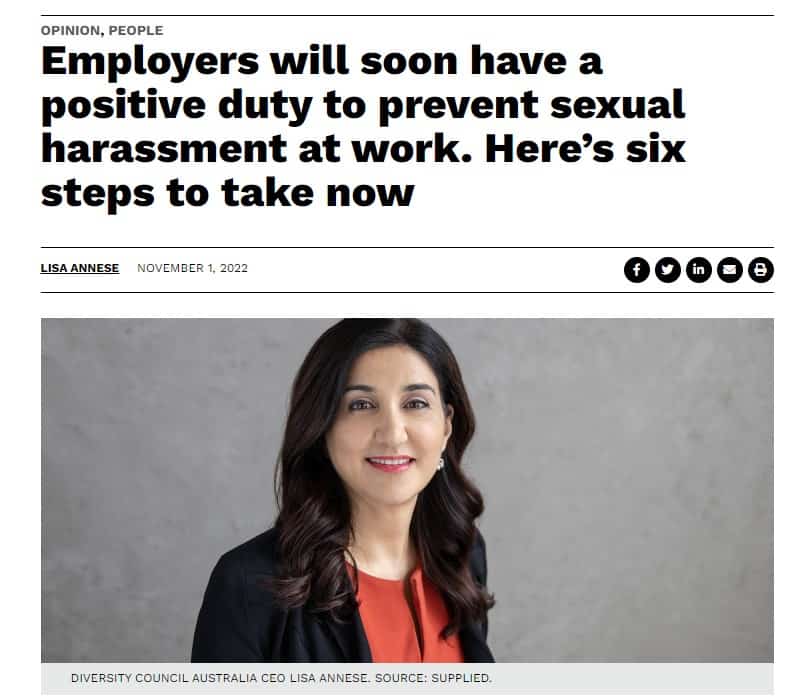
Sexual harassment laws in dozens of countries and states

Ellen Pinkos Cobb is building an interesting library of books on sexual harassment. Next month sees the release of “Managing Psychosocial Hazards and Work-Related Stress in Today’s Work Environment – International Insights for U.S. Organizations“, but one of her previous titles from 2020 is also enjoyable. Cobb published “International Workplace Sexual Harassment Laws and Developments for the Multinational Employer“. This comparative study is an excellent resource, even though the legal environment is changing rapidly.

Subscribe to SafetyAtWorkBlog to continue reading.
Subscribe Help
Already a member? Log in here

Update on the status of national psychologically healthy workplace regulations

The Australian Chamber of Commerce and Industry’s Jennifer Low appeared on a recent episode of the Psych Health and Safety Podcast and, as a member of the Safe Work Australia (SWA), was able to provide an update on the new psychosocial regulations section, which is to be inserted into the Model Work Health and Safety Laws this year.

Subscribe to SafetyAtWorkBlog to continue reading.
Subscribe Help
Already a member? Log in here

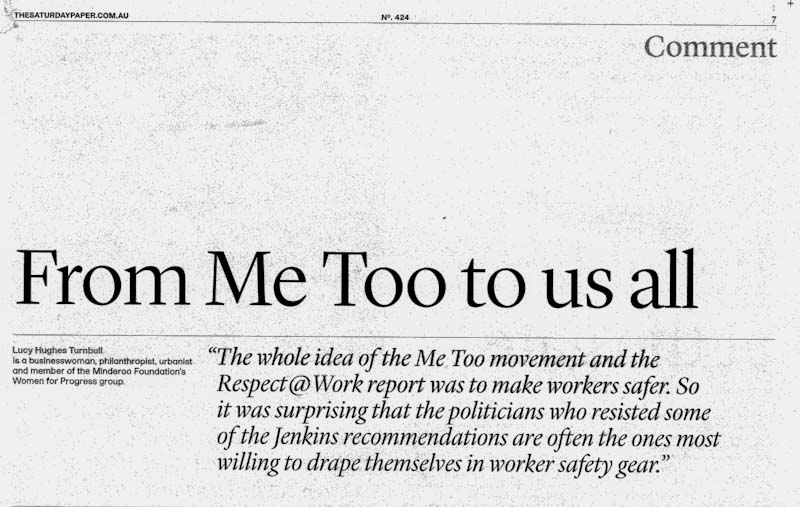
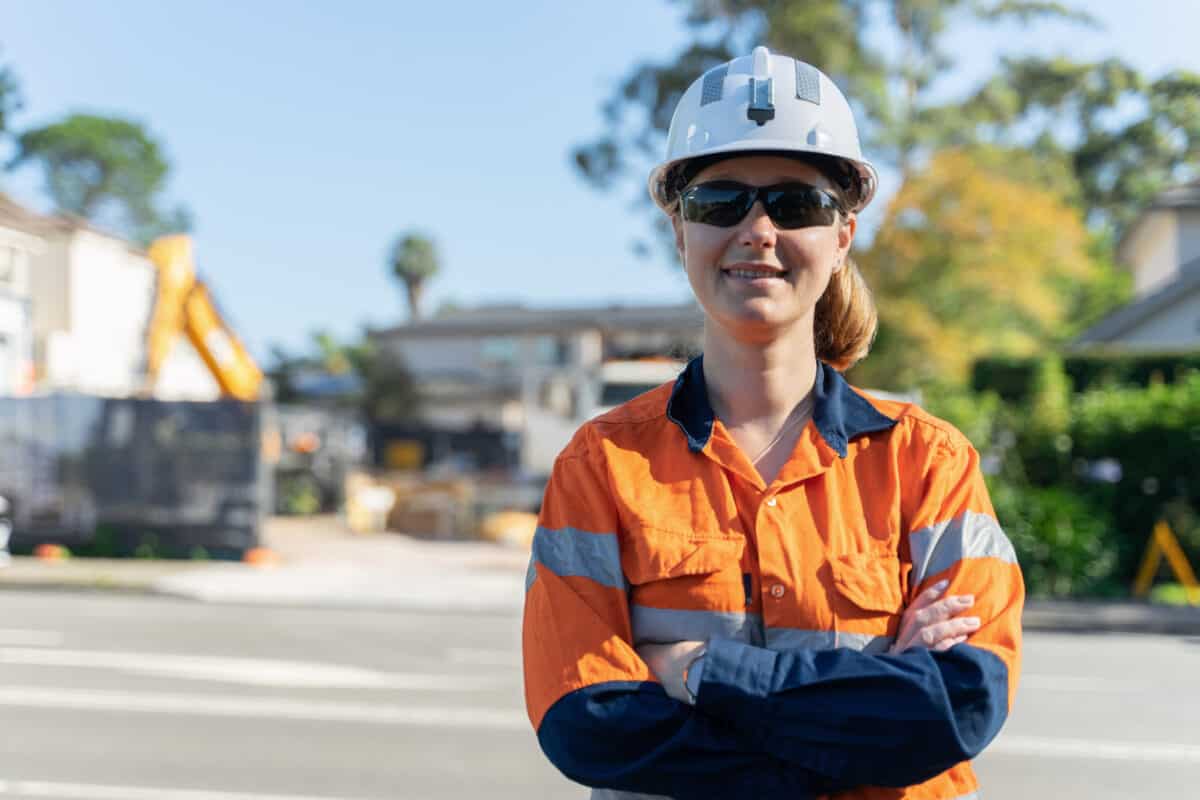
‘Enough was Enough’ over a decade ago and the mining industry failed to act then

The recent report on sexual harassment at West Australian mine sites deserves national attention for several reasons.  The stories are horrific, partly because many of us thought such stories were in the distant past.  The fact that many are recent should shock everyone into action. 

The report “Enough is Enough”is highly important, but its newsworthiness seems disputable.  Some media have covered the report’s release but the newsworthiness, in my opinion, comes less from this one report but from the number of reports and research on sexual harassment, bullying, abuse, disrespect and more in the mining sector over the last twenty years that have done little to prevent the psychosocial hazards of working in the mining and resources sector and especially through the Fly-in, Fly-Out (FIFO) labour supply process.

Subscribe to SafetyAtWorkBlog to continue reading.
Subscribe Help
Already a member? Log in here
Concatenate Web Development
© Designed and developed by Concatenate Aust Pty Ltd