
Jim Chalmers has completed his first week of Australia’s Parliament as Treasurer. On Thursday, he presented a statement of the country’s finances without mentioning his well-being intentions (which some are claiming to be a gimmick). This does not mean that well-being is dead, as the “Wellbeing Budget” is not due until October; Chalmers needs to establish his authority, but it illustrates a common perspective on occupational health and safety (OHS) in the minds of many small business people.
Category: psychosocial
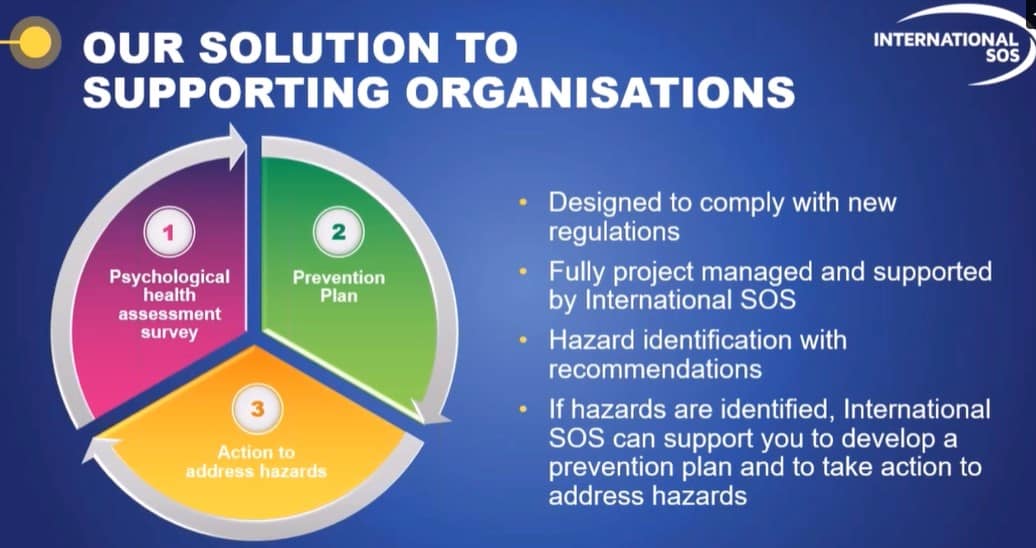
Psychological regulations and control
Recently International SOS conducted a webinar on workplace psychosocial hazards and controls. Parts of it were clearly marketing and promotional, but some of the speaker’s content was fascinating and useful.
The seminar’s structure was good because it included a global perspective and a local Australian. The speaker from a worldwide standpoint, Dr Rachel Lewis, used financial figures to illustrate the seriousness of workplace mental health risks. These involved annual costs to employers, costs of workplace stress and other figures in the billions. This approach encourages a misunderstanding of the audience for workplace mental health seminars and the occupational health and safety (OHS) approach to the hazard.

Action on Health and Safety is always a choice
Last week epidemiologist Hassan Vally wrote one article in The Age called either “Health or economy a false choice” or “COVID caution can be a win for both public health and business” (paywalled), depending on the sub-editor and format. Curiously one has a negative implication, the other, the opposite. Either way, the article illustrates the public health dichotomy that mirrors that of occupational health and safety (OHS).
OHS often requires a decision between profit or production and safety. Public Health deciders need to consider the interests of the public and the duties of government. I prefer the former headline because it states that this decision is a “choice”. Safety, occupational or public, is always a choice.
Improving the OHS state of knowledge
Earlier today, I wrote about the potential benefits of having an Australian Workplace Safety Bureau, an idea I first proposed in 2018. Others have similar thoughts.
On the Australian Broadcasting Corporation (ABC) website, Elizabeth Byrne has written about the decade-long effort of Kay Catanzariti to gain justice, and an apology, for the death of her son, Ben. Catanzariti has been a strong advocate for workplace health and safety for a long time. The ABC article quotes Catanzariti:
“Mrs Catanzariti says her experience shows that investigators need more expertise. “I want a federal investigation team for deaths on worksites,” she says.”
Do what you know is the right thing to do
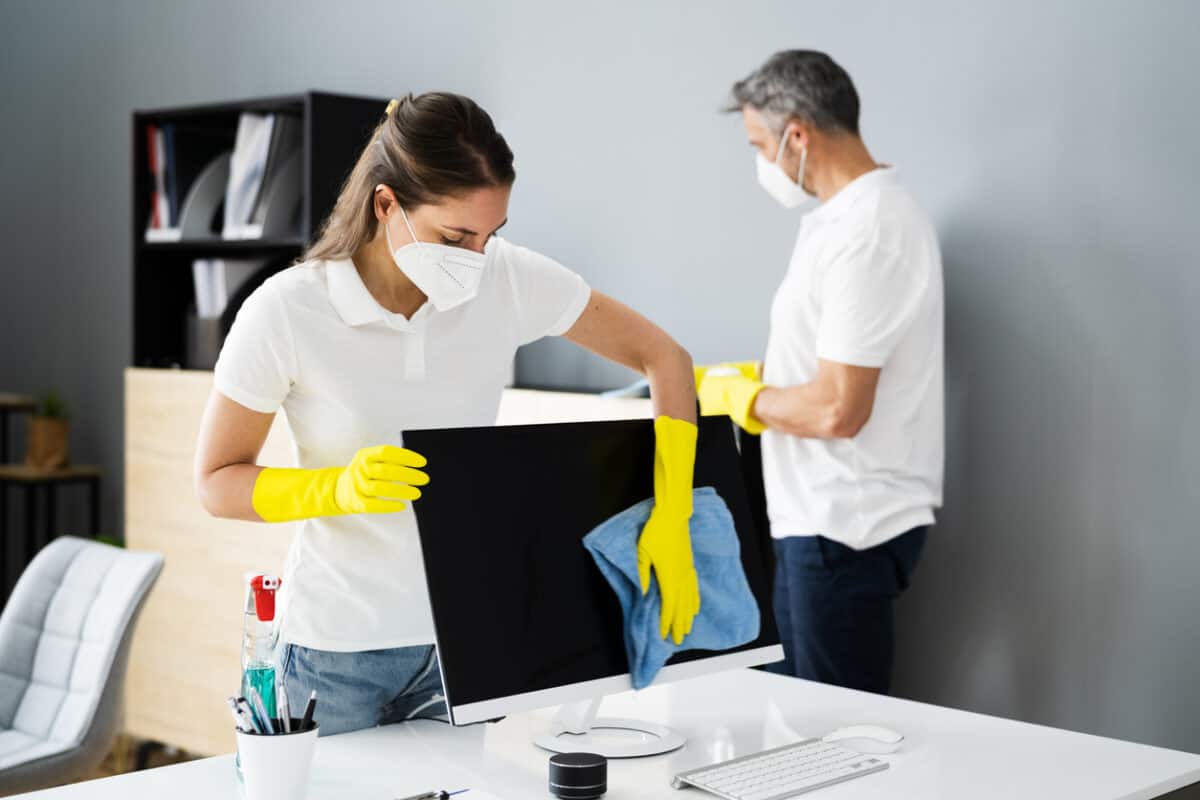
Currently, Australia has an increase in hospitalisations of people with the latest COVID-19 variants and influenza. The Victorian Government, in particular, is resisting implementing a mandatory requirement for masks even though this Winter had been flagged as a season of high risk for transmissible infections, and such control measures were shown to be effective in previous years.
Regardless of the politics in the Victorian Government’s decision, and there is a lot of politics there with an election in November, what should employers do to reduce the risks of workers catching or transmitting the virus, and so maintain continuous operation and production?
Continue reading “Do what you know is the right thing to do”
Victorian sexual harassment recommendations protect workers – sort of
In light of many workplace sexual harassment scandals in Australia, the Victorian Government established a task force to look at the issues and make recommendations. That task force has released its findings, the government has responded, and the media has focused on mainly one issue – non-disclosure agreements (NDAs) – missing out on other important information. And questions like, why did Victoria have the task force at all?
What’s not worked on workplace mental health
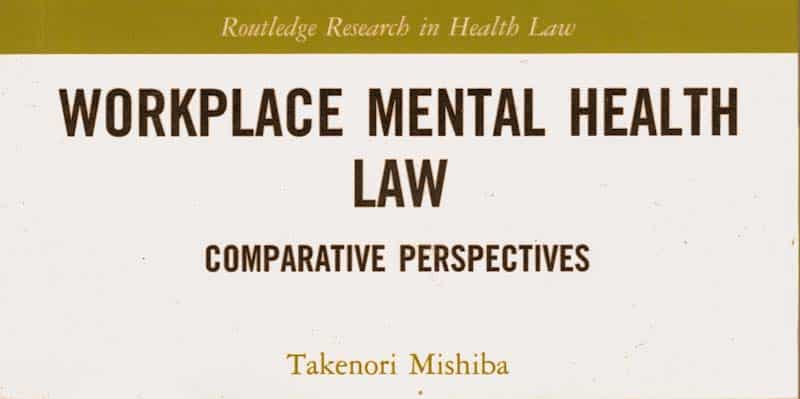
We need to seek alternative perspectives to better understand ourselves and our place in the world. In 2020,Takenori Mishiba wrote about comparative perspectives of workplace mental health laws. The book has been published in a more affordable paperback edition very recently. The attraction of this book is that Australia was not part of Mishiba’s research.
On the first page, Mishiba states that:
“…there is currently no precise legal definition of mental health.”
This alone should generate great concern in the occupational health and safety (OHS) discipline.