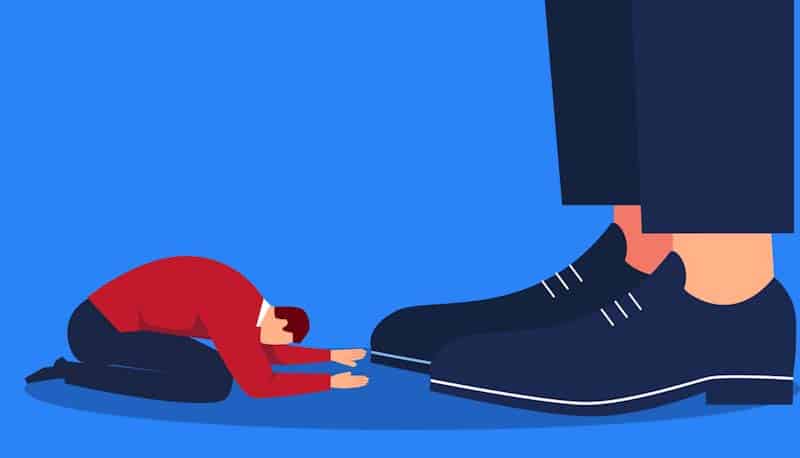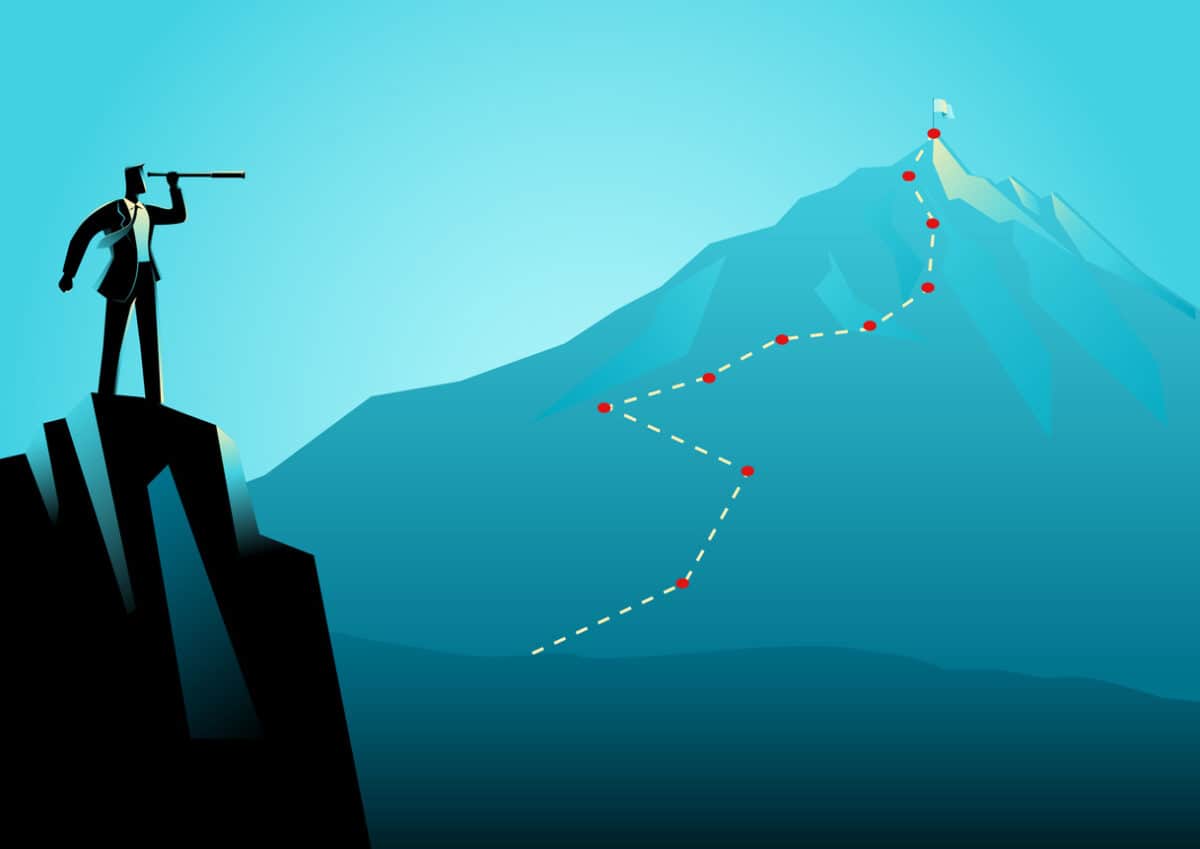
Last week two young women, Grace Tame and Brittany Higgins, made speeches at the National Press Club about the sexual abuse of minors and an alleged sexual assault in Parl ment House, respectively, and the social changes required to prevent both risks. Both spoke about the need to prevent these abuses and assaults. OHS needs to understand and, in some ways, confront what is meant by preventing harm. The words of Tame and Higgins help with that need.
Category: psychosocial
New Perspectives in OHS
Yesterday the Central Safety Group (CSG) invited me to talk at its monthly lunchtime seminar. The topic was New Perspectives on OHS. These perspectives are likely to be familiar to subscribers of this blog but were intended to be provocative and foster reflection and discussion. Below is a substantially edited version.
Thanks for inviting me to be the first speaker in CSG’s 60th anniversary year. The Central Safety Group has been an important part of my OHS journey since the very start in the early 1990s. It is a remarkable achievement for the Group and, as a Life Member, I am very proud of my association with it.
OHS can become very insular. It can become too focussed on issues within a single industry, a single worksite or a discipline. This insularity can lead to OHS reaching seemingly operational dead ends, such as “this is the way it is” or what is “reasonably practicable are”. We may seek continuous improvement, but our employers and clients often see “reasonably practicable” as the endpoint of activity. It can become their comfort point of compliance.
We know how to prevent burnout but we have little desire to change
Probono Australia is reporting that employee burnout is on the rise. Burnout is increasingly being used as an alternative term for mental ill-health or stress at work. The report on which the writer based their article is not surprising, but the recommendations are. The subheading for the article is:
““Structural and cultural shifts, not wellness initiatives, are needed to address the chronic workplace stress of burnout.”
But the article also pulls together other workplace mental health factors:
“The rise of digitisation has brought with it a need to ‘always be on’ and, with that, employee work-life balance has become harder to maintain. It was this type of ‘24/7 access to employees’ thinking, the study found, that led to burnout.”
Ethical Socialism and OHS
Every political leader on the progressive side, or Left, of politics, must address their relationship to Socialism. Recently The Guardian discussed this concerning the UK Labour leader Keir Starmer but the topic has relevance to Australia as several elections are scheduled for 2022. It is also important in understanding the ideological base of these prospective leaders as it is from this that progress on occupational health and safety (OHS) will emerge.
In a recent book “Sedated: How Modern Capitalism Created Our Mental Health Crisis“, UK academic Dr James Davies provides a valuable first-hand experience of the denial, or avoidance, of social obligations and the transference of responsibility to individuals in the context of Mental Health First Aid.
Bad work “habits” are part of the problem
The headline immediately caught my attention:
“Five bad habits to dump before resuming work”
Australian Financial Review, January 4, 2022
Such is the power of the click-bait headline.
This article is aimed at middle managers and those working from home. It is in the Australian financial/business newspaper so articles about individual empowerment and entrepreneurship rather than structural change are expected. The article above is a classic example of the Australian Financial Review’s approach to workplace health and safety matters: a newspaper with significant influence on business leaders and executives but one that rarely quotes or approaches occupational health and safety (OHS) experts.
Good solid OHS profile on which to base a change strategy
The Australian Council of Trade Unions (ACTU) recently released its latest State of Work Health and Safety in Australia 2021 report called “Work Shouldn’t Hurt“. ACTU’s Liam O’Brien said
“The ACTU’s 2021 Work Shouldn’t Hurt Survey revealed that 80% of workers who are injured or made ill at work do not even make a workers’ compensation claim, in the case of insecure workers this jumps to 95%. This highlights that the 120,000 workers who made a claim last year is just the tip of the iceberg when it comes to measuring health and safety at work”
This is no surprise to those concerned with occupational health and safety (OHS). Sadly, the ACTU report was thin on possible solutions.
We can control workplace mental health if we want to
Some years ago, Time Management was all the rage. It was the precursor to the resurgence of the Work Smarter – Not Harder movement, but it seems to have faded from conversation recently. Part of the reason is that everyone is expected to be contactable, every day, every week, every month. And then we wonder why there seems to be a workplace mental health crisis?!
The answer is simple – turn off your phone, turn off your work computer. This will cause some readers to shake and say that they cannot do that as their bosses expect them to be available. The unfairness of this was discussed a little in the article on “work-to-rule“, but the employers’ expectations are more than unfair. They indicate a poor manager who cannot manage their time and of a workplace culture that endorses this sloppiness/laziness. A recent New Zealand article looked at some of the recent trends.