Is red tape justified?

One of the interesting features of the Psychological Health regulations proposed by the Victorian Government last month is the requirement for employers to provide regular six-monthly reports on psychological incidents.

The Regulatory Impact Statement (RIS) states that:

“…the proposed regulatory amendments will require employers to keep written records of prevention plans for prescribed psychosocial hazards and impose reporting requirements on medium and large employers.”

page 9

Subscribe to SafetyAtWorkBlog to continue reading.
Subscribe Help
Already a member? Log in here

Will workplace psychological regulations work?

Recently the Victorian Government released its proposed Occupational Health and Safety Amendment (Psychological Health) Regulations supported by a 106-page Regulatory Impact Statement (RIS) written by Deloitte Access Economics. Public consultation and submissions are welcome up to the end of March 2022.

These regulations have been promised by the Victorian Government for some time and are likely to be debated in Parliament later in this (election) year. The RIS raises substantial questions, but the Regulations stem from primarily a political decision, so those political promises need to be examined.

This is the first of a series of articles on psychological health and the proposed regulations over the next few days.

Subscribe to SafetyAtWorkBlog to continue reading.
Subscribe Help
Already a member? Log in here

If the research is clear, why aren’t employers reacting?

Excessive working hours are harmful. This uncomfortable truth was recently spoken by the Harvard Business Review. The changes to prevent this harm is obvious to most of us involved with health and safety but remains uncomfortable to everyone else.

In an article called “The Research is Clear: Long Hours Backfire for People and for Companies, Sarah Green Carmichael posits three reasons for overwork:

Subscribe to SafetyAtWorkBlog to continue reading.
Subscribe Help
Already a member? Log in here

Work, not Sex, won the day

On February 10 2022, the Victorian Parliament passed laws to decriminalise sex work, supporting the (Labor) government position that sex work needs to be treated the same as any other type of work. The debate, the culmination of decades of work by many sex work supporters and advocates, was won by emphasising the role of Work over the concerns about Sex. This is a strategy that other workplace safety advocates may consider.

Subscribe to SafetyAtWorkBlog to continue reading.
Subscribe Help
Already a member? Log in here

Consultation is soooo radical

The occupational health and safety (OHS) sector has made much noise about workplace safety cultures. So, it is interesting to watch corporate debates on culture, especially with the increased attention to the psychological harm that some cultures create for workers. The Australian Financial Review’s (AFR) BOSS section included a short article about the the possible consequences of an autocratic leadership style, in this case, the conduct of Newcrest’s Sandeep Biswas.

Subscribe to SafetyAtWorkBlog to continue reading.
Subscribe Help
Already a member? Log in here

Working Hours and Leadership

The workplace issues of excessive hours, unpaid overtime and the negative mental health and social disruption effects are becoming more commonly discussed but not, necessarily, fixed.  A persistent example of these workplace hazards is the sitting of Parliament.

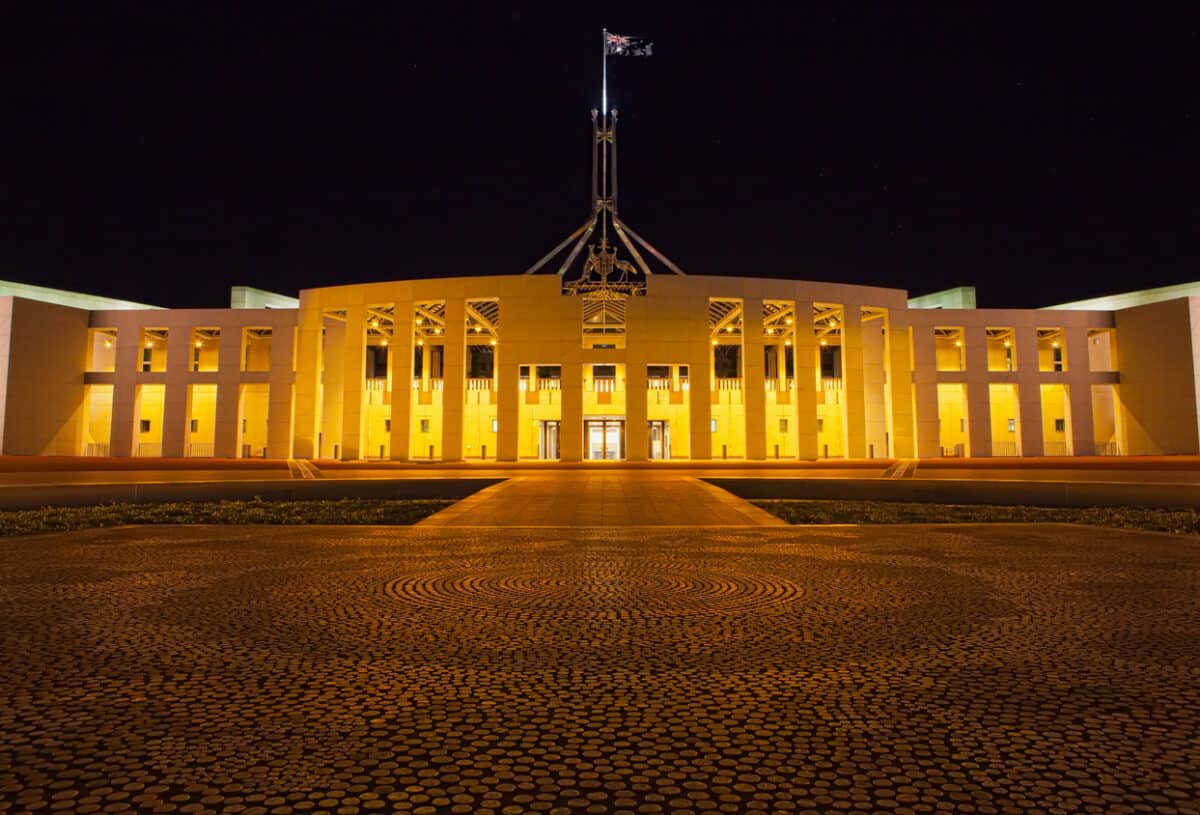
Parliamentarians are not always good examples of leadership and nor are they good managers of their workplace responsibilities, as shown by the response to sexual harassment and alleged assaults in the Federal Parliament House. A less controversial example of their management is the flexible hours applied to the passing of, usually contentious, legislation.

Subscribe to SafetyAtWorkBlog to continue reading.
Subscribe Help
Already a member? Log in here

Speaking truth to power

Last week two young women, Grace Tame and Brittany Higgins, made speeches at the National Press Club about the sexual abuse of minors and an alleged sexual assault in Parl ment House, respectively, and the social changes required to prevent both risks. Both spoke about the need to prevent these abuses and assaults. OHS needs to understand and, in some ways, confront what is meant by preventing harm. The words of Tame and Higgins help with that need.

Subscribe to SafetyAtWorkBlog to continue reading.
Subscribe Help
Already a member? Log in here
Concatenate Web Development
© Designed and developed by Concatenate Aust Pty Ltd