
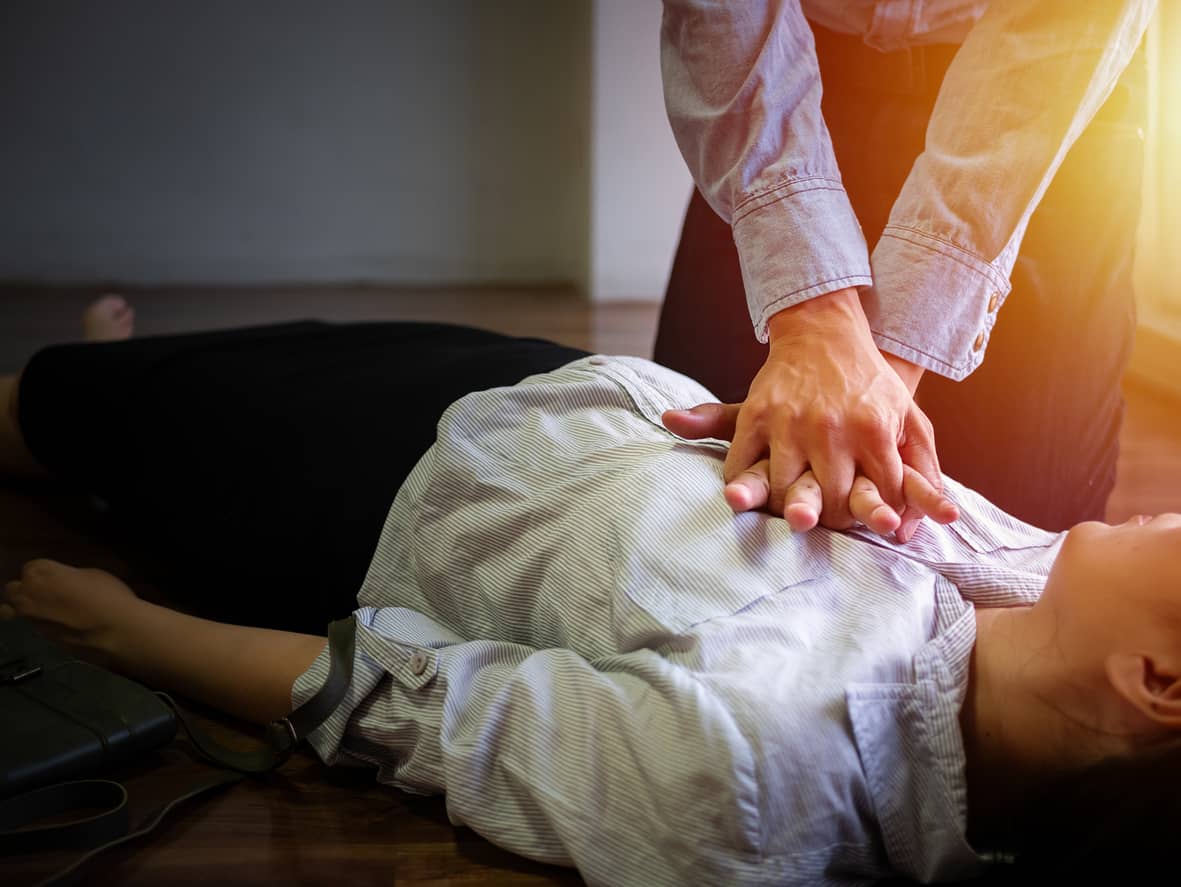
WorkSafe Victoria has updated its Compliance Code for First Aid in the Workplace. No huge change to determining first aid compliance, but it, curiously, is labelled as Edition 1 even though a previous Edition 1 has existed since 2008 (earlier versions go back to 1995). So what’s changed?
Category: psychosocial
Suicides and historic data
Recently Safe Work Australia (SWA) released an excellent batch of occupational health and safety (OHSA) information in its annual “Key WHS Statistics – Australia 2021″. The decline in fatalities is significant, but there remains an odd omission that is worrying the longer it is not addressed – work-related suicides.
Limiting the statistical period also has implications for how OHS is understood and for the rate of change.
OHS remains the bastard child of HR and IR
There continues to be a competitive tension in Australia between the professions (if they are professions) of Human Resources (HR) and Occupational Health and Safety (OHS). This has been most obviously on display in relation to sexual harassment and the psychological harm that results.
Recently Marie Boland, about to be the 2021 Residential Thinker at the University of South Australia, spoke about this tension and much more in an online lecture about “HR: A Human Resources or a Human Rights approach to work health and safety“. At that lecture, Boland said that she pins her hopes for improvement on the new Work Health and Safety Regulations because

Diagnosis is the key
Part 2 of 2
Safe Work Australia (SWA) has reported on “mental health conditions” in its latest report on workers compensation claims and that these conditions represent 9% of claims for the 2018-2019 period (page 20). Claims have also increased in this category from 6,615 in 2000-2001 to over 10,000 in the latest data period. Mental health conditions are described elsewhere by SWA as affecting non-physical bodily locations (page 38).
As with many other reports, “mental health conditions” are not defined, but SWA states that this phrase is an alternative to “psychological injuries”. It also gives a numerical and dollar value to these conditions:
Are “mental health conditions” good or bad?
Part 1 of 2
Many organisations provide support for those experiencing mental health conditions, in workplaces particularly. These are important services; some have filled the gap left by the occupational health and safety (OHS) profession and regulators who neglected psychological health to prioritise traumatic physical injuries. But what is meant by “mental health conditions”? SafetyAtWorkBlog went on a short desktop journey to find out.
On 14 October 2021, the Australian Chamber of Commerce and Industry released a report called “Small Business, Mental Health; navigating the complex landscape“. Part of that complexity stems from the confusing terminology about “psychosocial health” and “workplace mental health”. The ACCI says:
“how-to-lift training does not work”
In 2017, this blog reported on an article from WorkSafe Queensland that said that manual handling training in “correct manual handling” or “safe lifting” did not prevent musculoskeletal injuries. WorkSafe supported this by extensive research, but training courses continue today, perpetuating an over-reliance on manual handling as a suitable risk control measure, which does not meet the compliance requirements of the occupational health and safety laws.
Last month WorkSafe Queensland released a video that updated and reinforced their position.
Continue reading ““how-to-lift training does not work””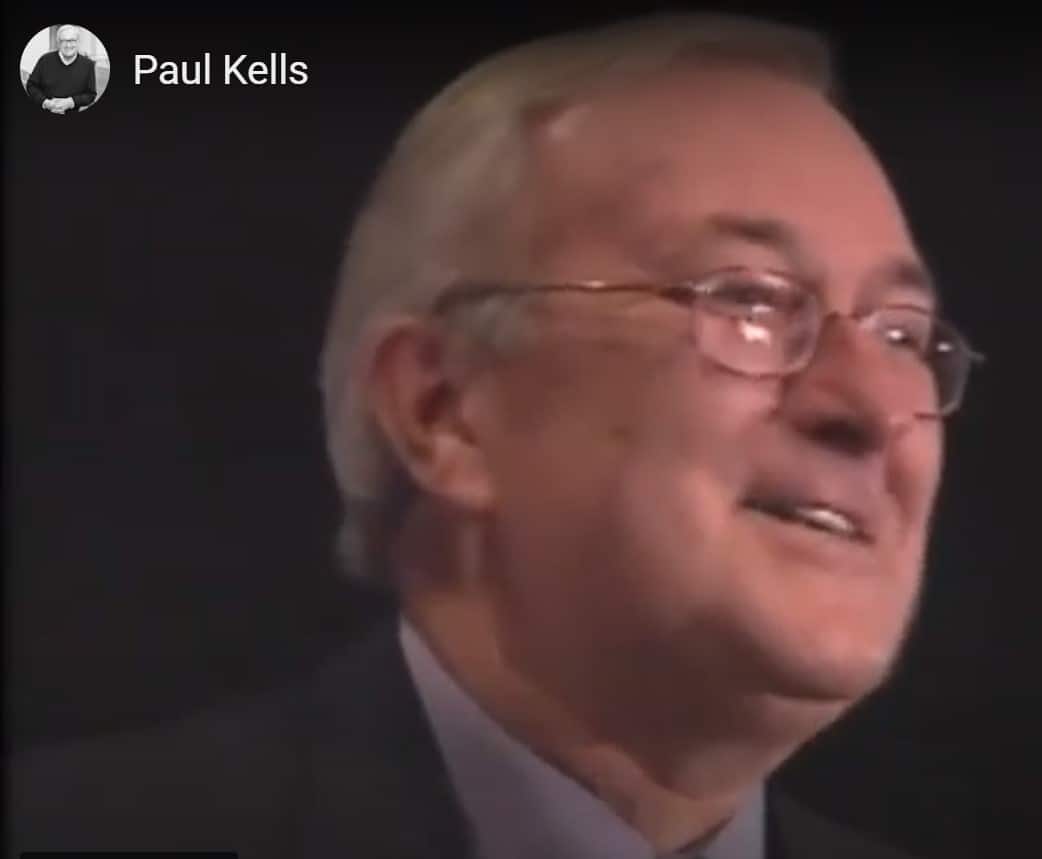
2000 Interview with Paul Kells
Recently Paul Kells passed away. Paul had a major influence on workplace health and safety awareness and promotion around the world. He was the founder of the Safe Communities Foundation in Canada. I was able to interview Paul prior to his attendance at a Symposium on the “Global Perspectives on Effective Workplace Safety Strategies” in Melbourne, Australia on the 15th and 16th of March 2000.
The full interview from the SafetyAtWork magazine is reproduced below and on open access. I think this interview and the Youtube video insert below gives a good indication of Paul’s passion and pain and our loss. (Paul’s memorial service will be on October 8)
SAW: How did the Safe Communities Foundation start and where is it at?
PAUL: My son was 19 years old and he was killed in an accident in a small warehouse in a suburb of Toronto. In this little shop, it was a small business with only 4 or 5 people there. He got the job through a friend whose father ran the business. It was the second or third day on the job and he was asked to go back and decant some fluid from a large drum to some small vessels.
Continue reading “2000 Interview with Paul Kells”