Mixed messages in a new world – does OHS fit?

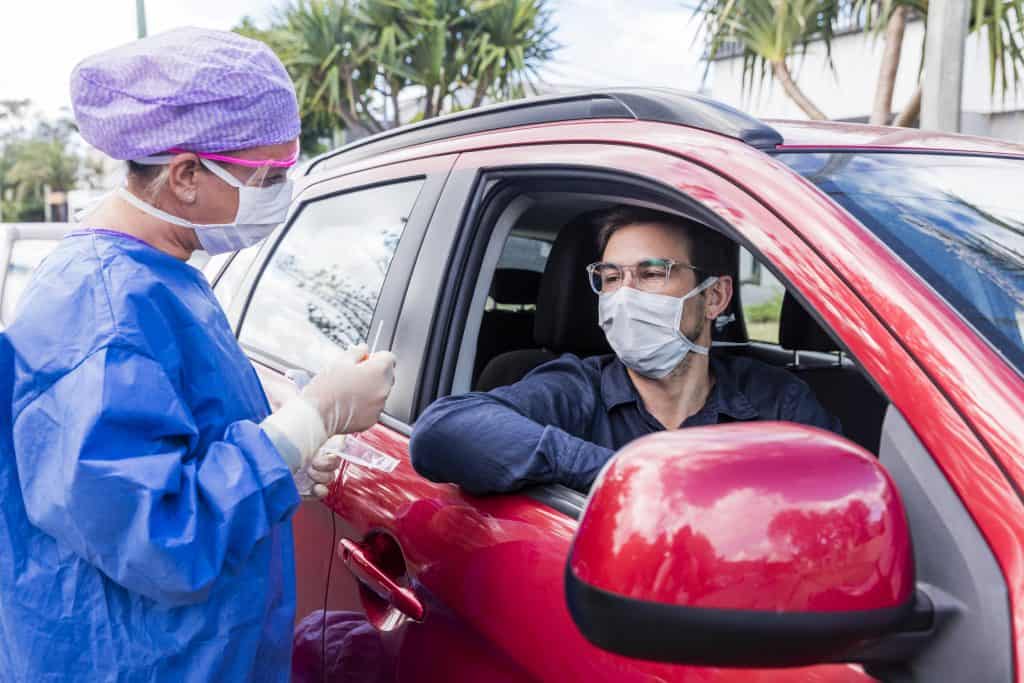
There has been much discussion about mixed messages in relation to the COVID19 coronavirus pandemic. Occupational health and safety (OHS) is still trying to adjust to the new working environment and needs to be careful it does not contribute to the confusion that mixed messages is creating.

Some of the mix comes from the growth in influence of alternative information and media sources linked to the Internet. Some is concerned with the declining trust the community has in government and private institutions. Some more may have come from the complacency of the OHS profession and community.

Below is an example of the mixed message problem when OHS is jumbled up with other considerations, even though one article says that OHS has become everything.

Subscribe to SafetyAtWorkBlog to continue reading.
Subscribe Help
Already a member? Log in here

The next gig job must be safer and healthier

A man in different kind of occupations. Credit:
bowie15

A lot of focus is currently on casual workers as their jobs disappear due to the responses to the COVID19 coronavirus. Australia has around 2.6 million of them and there are many more workers who may be classified as Part Time but operate on uncertain rosters and are, in reality, as precarious as casual employees. Occupational health and safety (OHS) is struggling to address the hazards presented by modern variations of precarious work, such as gig economy workers, because it, and government economic and employment policy more generally, is structured on the assumption of Full Time Employment (FTE) with work occurring mainly from nine to five, on weekdays with weekends off.

Consideration of precarious worker OHS may seem a lesser priority at the moment as many of us are quarantined or quarantine by choice but at some point, hopefully, within the next twelve months, business will resume. However, that business model and structure is unlikely to be the same. Indeed, it should not be same as the risk profile for all businesses and the community generally has changed. So, let’s have a look at some of the recent thinking about precarious work and the OHS risks so that we can build a better, safer model.

Subscribe to SafetyAtWorkBlog to continue reading.
Subscribe Help
Already a member? Log in here

We are now our grandparents – fearful but adaptive

This blog transitioned from a self-published magazine almost 12 years ago. In 2003, the magazine published an edition focussing on the SARS (Severe Acute Respiratory Syndrome ) outbreak which includes a long article by Peter Sandman and Jody Lanard on epidemics and fear, an emotion that many of us are feeling in these uncertain times. The full magazine is available for subscribers below.

Subscribe to SafetyAtWorkBlog to continue reading.
Subscribe Help
Already a member? Log in here

Young workers don’t know their OHS rights or their employer’s duty of care – Duh!

On March 10 2020, the Andrews Labor Government and the Minister for Workplace Safety, Jill Hennessy, released a media statement about a “social experiment” involving the safety of young workers, in response to the fact that “about 50 young workers are injured every week”.

The statement said that the campaign is

“… warning employers to protect young workers and making sure young Victorians are aware of their rights through a powerful new campaign …..
[and]
“…is part of a social experiment which saw young workers aged 18-25 asked to participate in a mock job information session for a research company.”

The significant finding was that

Subscribe to SafetyAtWorkBlog to continue reading.
Subscribe Help
Already a member? Log in here

New gendered-violence guide is good on the What but thin on the How

Australia’s trade union movement has been at the forefront of many of the occupational health and safety (OHS) changes, especially workplace stress and bullying. Other than Industrial Manslaughter laws, its most recent campaign targeted to a workplace hazard has revolved around work-related gendered violence. Last week WorkSafe Victoria released a guide to employers on “work-related gendered violence including sexual harassment”. The advice in this guide is good but does not go far enough and is less helpful than it could have been.

Subscribe to SafetyAtWorkBlog to continue reading.
Subscribe Help
Already a member? Log in here

OHS data still in short supply

The Peter Sandman quote concerning delivery people and infections that appeared in an earlier SafetyAtWorkBlog article highlighted an issue from 2005 that was taken up in Senator Tony Sheldon‘s questioning of the head of Safe Work Australia, Michelle Baxter, in Senate Estimates on March 4 2020. Sheldon has challenged SWA in earlier committee meetings but his confidence is increasing as he covered more issues than delivery workers and coronavirus.

Michelle Baxter was also questioned on the provision of OHS guidance in languages other than English, silicosis data and the banning of engineered stone.

Subscribe to SafetyAtWorkBlog to continue reading.
Subscribe Help
Already a member? Log in here

More on David Michaels’ book – “statistics are people with the tears wiped away”

I found time to read the rest of David Michaels’ latest book “The Triumph of Doubt“. It was loaded with information that is directly relevant to the Australian occupational health and safety (OHS) sector but more about the manipulation of facts and the stealth of lobbyists and influencers than on the hazards themselves. Here’s my take on some of his thoughts.

Two Australian case studies that would not have been out of place in a book like Michaels’, or even an Australian supplement to his book, were quad bikes and workplace mental health. Quad bike safety is the better fit with Michaels’ approach as many of the techniques of Zellner and Dynamic Research Incorporated, and the strategies of international all-terrain vehicle manufacturers, reflect the those strategies in the book.

David Michaels writes about chemicals, primarily, but many of his words hint that similar “doubt scientists” could be already in the psychological health and wellness sector, except these scientists are less about reacting to litigation and legislation than supporting and strengthening an industry in anticipation of increased regulatory scrutiny. “Pre-action”, perhaps?

Subscribe to SafetyAtWorkBlog to continue reading.
Subscribe Help
Already a member? Log in here
Concatenate Web Development
© Designed and developed by Concatenate Aust Pty Ltd