Industrial Manslaughter concerns of the Victorian government taskforce

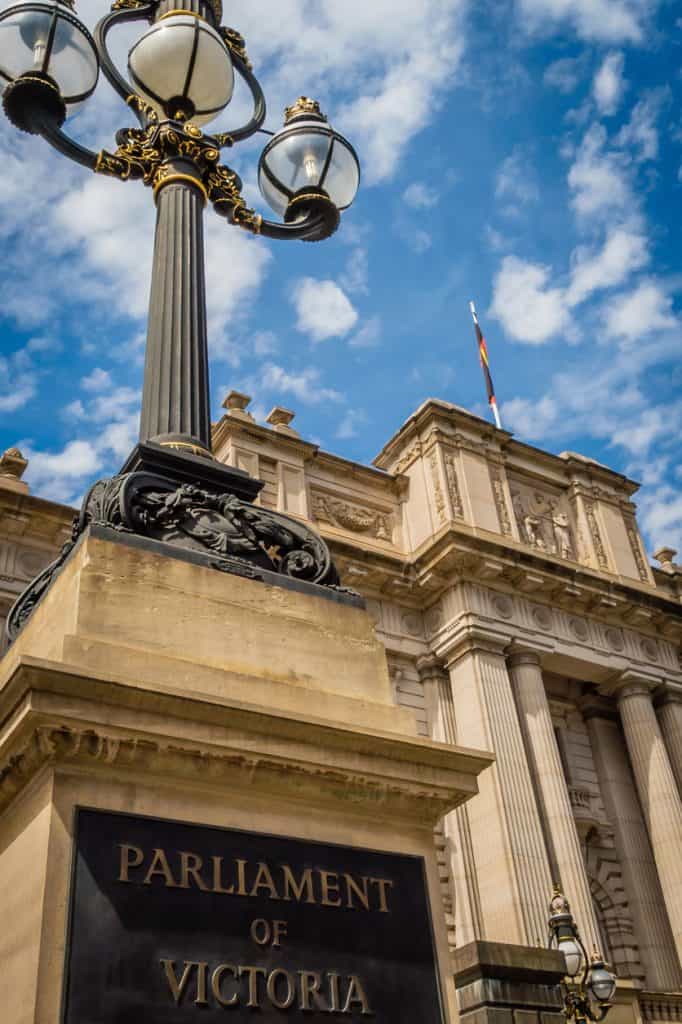
In April this year the Victorian Government’s Workplace Manslaughter Implementation Taskforce raised the following issues in its Criminal Law Reform Consultation Paper, seen by the SafetyAtWorkBlog:

  • the definition of “person” in the OHS and proposed Industrial Manslaughter laws
  • the establishment of negligence and the standard of care expected by the reasonable person
  • the extension of Industrial Manslaughter offence to the deaths of members of the public
  • whether a decision or act causes the death or only contributes to it
  • exceptions to the laws beyond just volunteers
  • inter-agency cooperation and coordination for effective prosecutions.
If you have any information about safety-related issues or incidents, remember that SafetyAtWorkBlog operates a confidential and anonymous information line at https://safetyatworkblog.whispli.com
Subscribe to SafetyAtWorkBlog to continue reading.
Subscribe Help
Already a member? Log in here

Suicide prevention at Victoria’s Royal Commission

The Royal Commission into Victoria’s Mental Health System began the first of a couple of days focusing on suicide prevention by reminding the audience that there are three kinds of interventions:

  • Universal – population level wellness
  • Selective – those who have suicidal thoughts and behaviours
  • Indicated – those who are engaging in suicidal behaviour

Occupational health and safety (OHS) concerns about harm prevention overlap with each of these to some extent, but the approach with the most opportunity for the prevention of harm is likely to be in Universal intervention. SafetyAtWorkBlog looked for discussion of work-related harm and interventions in yesterday’s Public Hearings.

Subscribe to SafetyAtWorkBlog to continue reading.
Subscribe Help
Already a member? Log in here

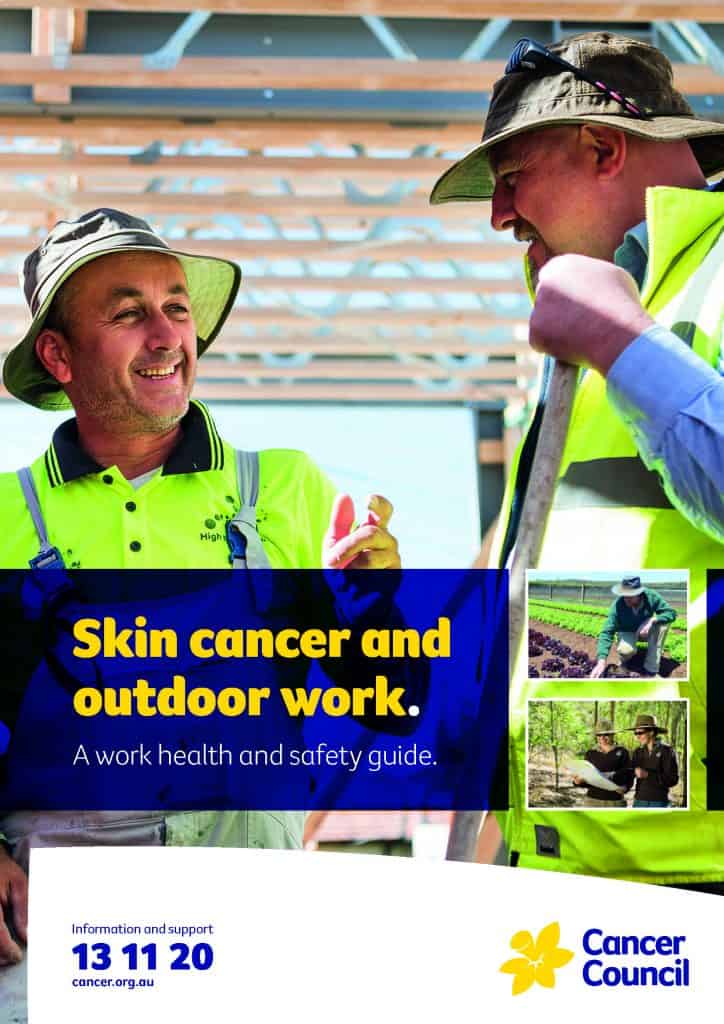
Comprehensive info on preventing skin cancer risks

Unrelated to the article earlier today about working in extreme heat, last week Australia’s Cancer Council released an occupational health and safety (OHS) guide for working outdoors and to prevent and avoid skin cancer. It is a timely release for those of us in the Southern Hemisphere as it allows us several months to review our sun protection policies and practices.

In the prevention chapter the guide follows the established Hierarchy of Controls but perhaps too closely on one issue. There is an assumption that outdoor work occurs primarily in daylight hours, the time of highest risk of ultraviolet (UV) risk. Under administrative controls the guide advise to Reschedule outdoor work programs” perhaps planning

“work routines so outdoor tasks are carried out earlier in the morning or later in the afternoon, when UV levels are lower”

page 17
Subscribe to SafetyAtWorkBlog to continue reading.
Subscribe Help
Already a member? Log in here

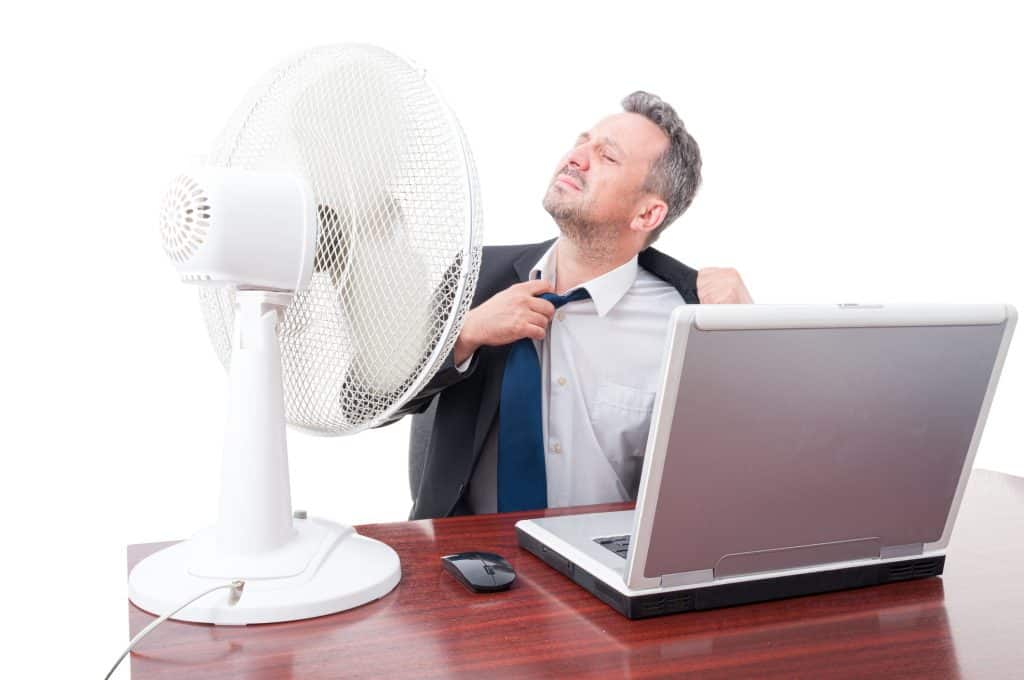
Can this job be performed in extreme heat?

Parts of Europe are sweltering in extreme Summer temperatures similar to what Australian workers have experienced. A comparison of just temperatures is unreasonable as the European challenge is greater than Australia’s because the society, buildings and operational structures are largely designed and configured for low temperatures and snow. In many ways climate change will be more disruptive for European businesses as Australia has always been hot and dry.

The occupational health and safety (OHS) advice on how to address, or cope with, extreme heat has always been focused on the individual’s capacity to work in heat rather than reconfiguring work to avoid these unsafe and unhealthy conditions. Here is some advice from an American law firm from early this month:

“Summer temperatures can create hazards for workers, and employers can be liable for not addressing conditions that could lead to injuries and illnesses, such as heat exhaustion and heat stroke. Liability can arise whether work is being done outside in construction, landscaping, and agriculture, or inside in non-air conditioned manufacturing plants and warehouses.”

Subscribe to SafetyAtWorkBlog to continue reading.
Subscribe Help
Already a member? Log in here

Safety remains a muddle in Australia’s trucking industry

SafetyAtWorkBlog believes the fact that commercial vehicles are also workplaces remains under-utilised in Australia. There are hints that this position is shared by others and that the analysis of occupational health and safety (OHS) in the transport sector is maturing. An Issues Paper released in May 2019 by the Productivity Commission (PC) as party of the review of the 2009 National Transport Regulatory Reform program looks at potential safety outcomes.

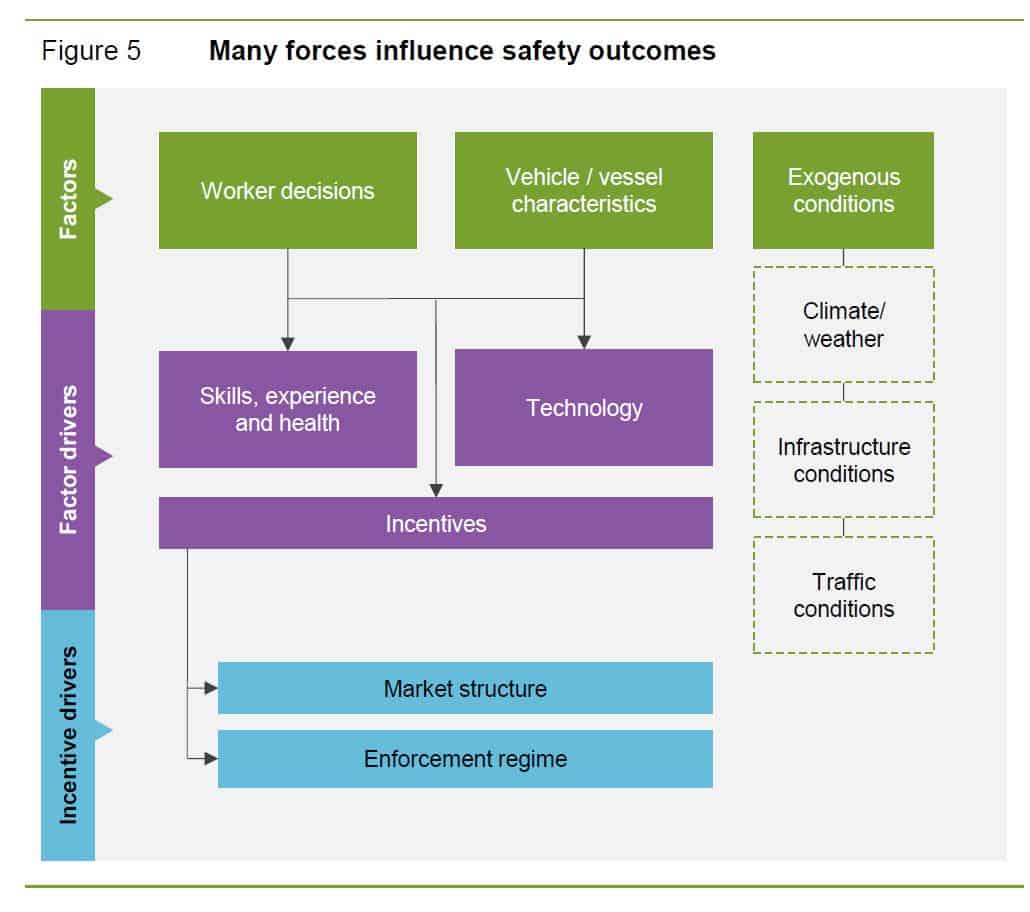
In each of the sectors within the reform program – heavy vehicles, rail and maritime – safety improvements, enhancements and improvements were expected. The PC accepts the multidisciplinary and multi-factorial elements of OHS:

“…. the national laws and regulators are only one influence on safety outcomes. The multiplicity of influences on safety outcomes raises challenges for measurement of the contribution of the national system to any changes in safety outcomes since the system was introduced. The Commission envisages that the direct net benefits from safety related reforms must be assessed by the use of simple methods such as benchmarking (including to other countries) and other descriptive analyses. For example, Hassall (2014) estimates the accident rate (broken down by accident severity) per 100 million kilometres.”

page 12

(Given that the PC has a separate inquiry into mental health, it will be interesting to see if this perspective is consistent across different sectors)

Subscribe to SafetyAtWorkBlog to continue reading.
Subscribe Help
Already a member? Log in here

Grab bag of OHS issues – heavy vehicles, mental health, bullying and fatigue

There are a few occupational health and safety (OHS) matters in Australia that happened in the last week that are of note. SafetyAtWorkBlog has put together a quick list of those matters of interest.

Big Mental Health Challenge

“The Australian Capital Territory has appointed its first “dedicated psychological health officer [who] will equip workplaces with the tools and resources needed to support the social and emotional wellbeing of working Canberrans.

The psychological health officer will provide employees, managers and supervisors with support such as information sessions, accessible resources and training programs. WorkSafe ACT inspectors will also receive training and access to ongoing mentoring for responding to psychological hazards.”

Subscribe to SafetyAtWorkBlog to continue reading.
Subscribe Help
Already a member? Log in here

The economics, and politics, of prevention and the cost of doing nothing

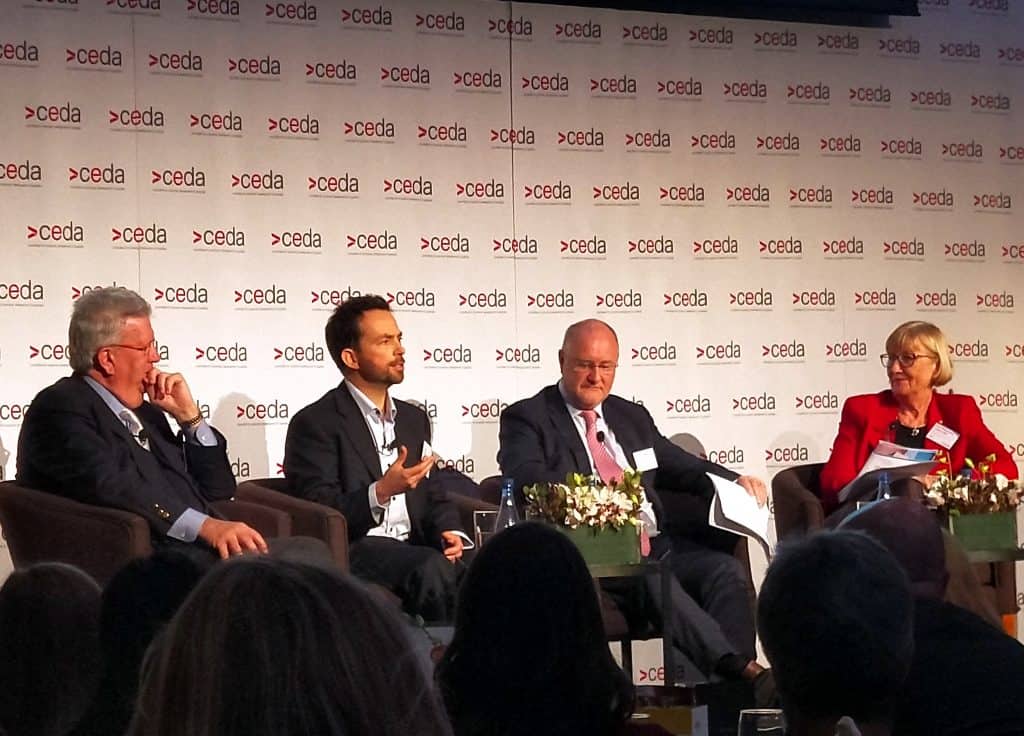
LtoR: Terry Nolan, Rod Campbell, Tony Dudley, Rosemary Calder

On July 9 2019, the Committee for Economic Development of Australia (CEDA) conducted a lunchtime seminar in Melbourne about “the economics of prevention“. The event was supported by GlaxoSmithKline who launched a report about the value of vaccines so the lunch promised to be very medical but that quickly changed when Rod Campbell of The Australia Institute (a late replacement for Richard Denniss) spoke. On the issue of cost-benefit analysis, an important consideration in occupational health and safety (OHS) , Campbell was blunt:

“A huge amount of government decisions are not made by informed economic analysis. They’re made by political decisions.”

Subscribe to SafetyAtWorkBlog to continue reading.
Subscribe Help
Already a member? Log in here
Concatenate Web Development
© Designed and developed by Concatenate Aust Pty Ltd