
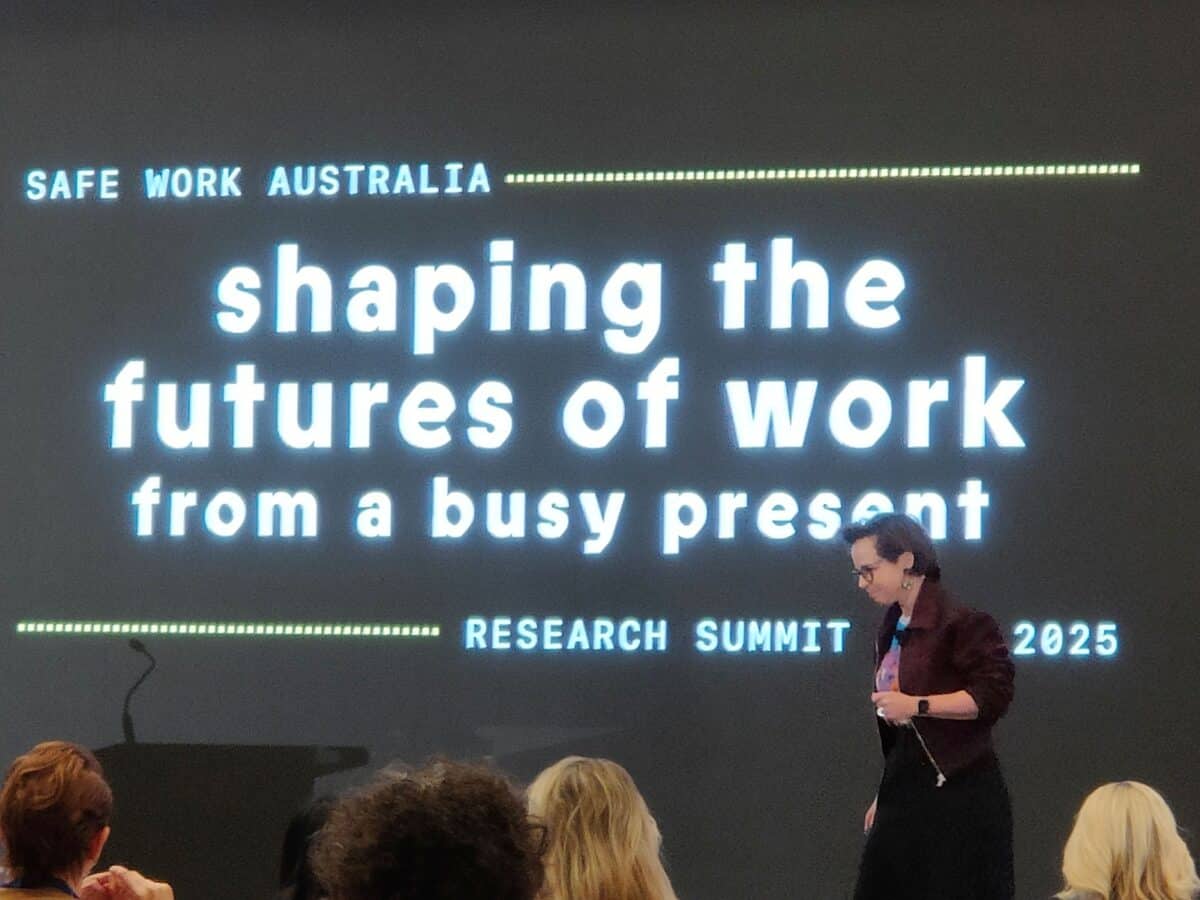
One of the most divisive speakers at last week’s Research Summit organised by Safe Work Australia was futurist Reanna Browne. Some delegates found her approach to research to be offensive. Others thought she was granted too much time. Some were confused.
Category: risk
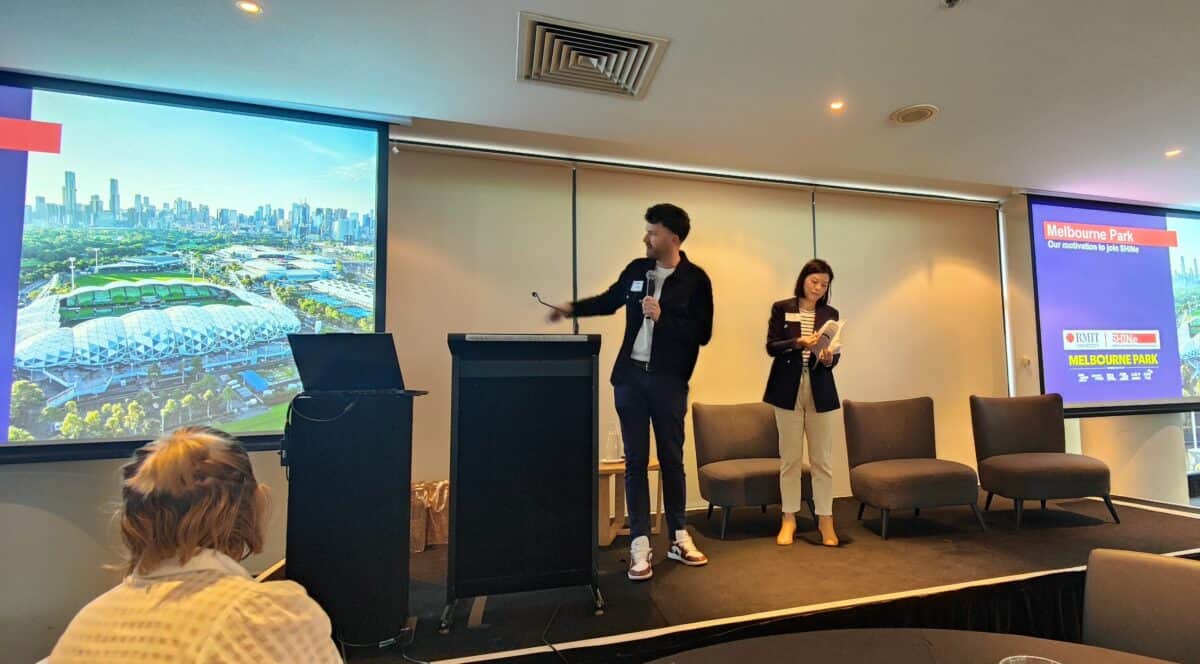
Insights and Innovation from the 2025 Victorian Safety Symposium
The Australian Institute of Health and Safety (AIHS) state branches conduct local single-day symposia annually. These networking and professional development sessions are important opportunities for practitioners of occupational health and safety (OHS) to connect and learn.
The good presenters were very good at the Victorian Branch symposium in September.
Beyond Compliance, Rethinking Safety Culture and Legal Reform
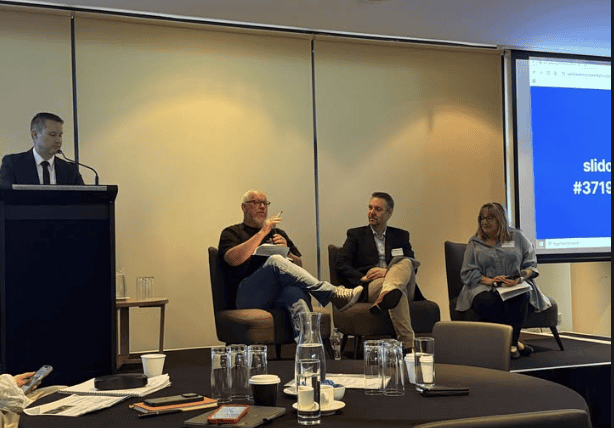
Earlier this week, I was a panellist at an occupational health and safety symposium organised by the Victorian Branch of the Australian Institute of Health and Safety. We were asked to be challenging and provocative in our perspectives on the evolution of OHS and OHS law in Victoria since the start of the century.

More OHS voices needed
A new discussion paper from Safe Work Australia (SWA) is interesting in a curious way. Its purpose is confusing, and its final report will not be presented until mid-2026. SWA offers no definition of “best practice” but suggests that consideration should start from the objective of the Model Work Health and Safety Act:
“….to ensure the model WHS laws continue to provide a balanced and nationally consistent framework to secure the health and safety of workers and workplaces.”
Heat, Harm and the Cost of Denial
As Victoria shivers in the middle of its Winter and a cop-killer runs loose in the mountains in the middle of the state, it may seem odd to think about the occupational health and safety (OHS) context of working in excessive heat. However, give us a couple of months, and it will be a hot topic again in the Southern Hemisphere. (First and last weather pun, I promise)
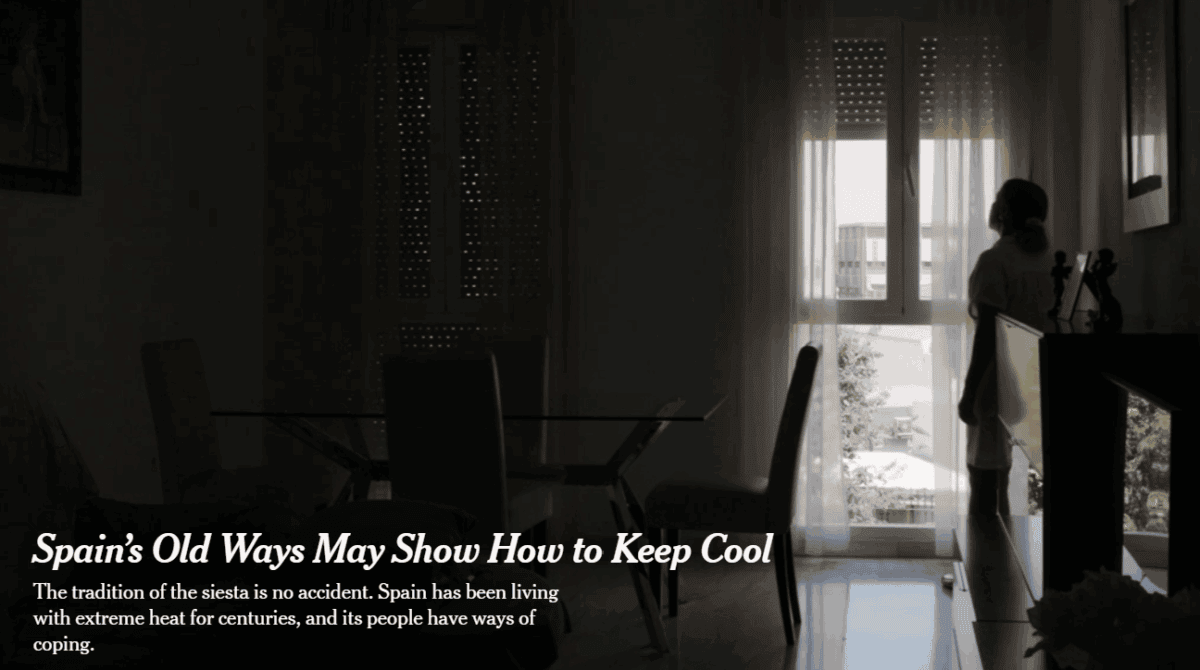
A recent article in The New York Times (paywalled) examined excessive heat in Spain, providing useful details on the changes being implemented—some old, some new.

Fix the Cake, Not Just the Icing
The Australian Psychological Services has provided some excellent advice on what to look out for when arranging speakers for October, which is both Mental Health Month and National Safe Work Month.
The Seductiveness of Action Without Change
The challenge in addressing psychosocial hazards at work comes not from the dangers posed but from the executives’ willingness to change. Recently, David Burroughs reflected on his years of advising executives on this hazard. Burroughs’ experience of corporate responses to workplace bullying is indicative of the challenge of organisational change.