
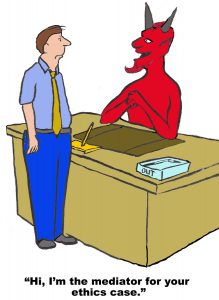
 Australia’s occupational health and safety (OHS) profession was late to the process of certifying its members. The Safety Institute of Australia (SIA) has been running its certification program for a couple of years so it is difficult to assess the benefit to members and the community but a critical element in any certification is the treatment of members who breach the Code of Ethics or Code of Conduct. The revelations of corruption and misconduct from Australia’s Royal Commission into Misconduct in the Banking, Superannuation and Financial Services Industry provide important lessons in integrity and fairness to all professions.
Category: Uncategorized
Melbourne’s Worker Memorial ceremony
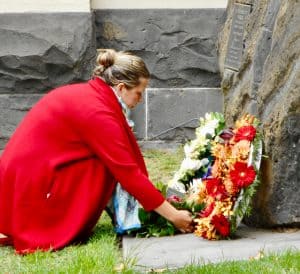 The Melbourne ceremony for International Workers Memorial Day was held on 27 April 2018 and had a good turnout. The standout “speaker” was Lana Cormie (pictured right), whose husband, Charlie Howkins in a trench collapse in March 2018, a work colleague died later in hospital from injuries from the incident. Victorian Trades Hall’s Luke Hilakari was fired up in his talk about the importance of occupational health and safety (OHS) and the need for Industrial Manslaughter laws.
Cormie’s speech was read out by
Interview with Dr Gerry Ayers
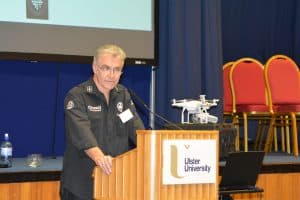
This weekend is the International Workers Memorial Day. In Victoria, in particular and in Australia more generally, it is highly likely that the issue of Industrial Manslaughter laws will be raised as part of a trade union campaign.
Dr Gerry Ayers, the OHS&E Manager of one of the branches of the CFMEU, features in an online petition about these laws and it seemed the right time to interview Dr Ayers about these laws but also about workplace health and safety enforcement and practices more generally.
Duty of care needs a moral analysis
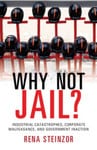
In my readings on Industrial Manslaughter, a reader recommended a book to help me understand how the world works. I haven’t found the time to read it through because I get angry and/or depressed, but I wanted to share a suggestion that may help clarify our occupational health and safety (OHS) obligations and provide a reconsideration of the employer’s duty of care.
In “Why Not Jail? – Industrial Catastrophes, Corporate Malfeasance, and Government Inaction“, Rena Steinzor summarised some work by David Luban and others in a research paper called “Moral Responsibility in the Age of Bureaucracy“. Steinzor outlines five managerial duties:
Flogging the banks could help safety
 Australia’s Royal Commission into banking and financial services is a few months in and the evidence provided of wrongdoing is so substantial that those who were critical of the need for such an investigation are admitting they were wrong.
SafetyAtWorkBlog is applying the logic that occupational health and safety (OHS) succeeds best when it is part of the organisational culture. Australia has often held its banking and financial services as “world-class” and many of that industry sector’s leaders have been prominent in speaking about the importance of leadership and corporate morality.
The financial and banking industry’s credibility and authority in Australia is gone and the OHS profession can learn much from this failure, even when the failure is in its early stages of exposure.
“Just Culture – The Movie” – important case study
 I was born outside Liverpool England well over 50 years ago and have lived on the other side of the world ever since. I love hearing accents from Northern England as it reminds me of my relatives, my roots and, most of all, my Mother. This meant that I had to watch Sidney Dekker‘s latest 30 minute documentary at least twice so that I paid attention to what was said rather than how.
“Just Culture – The Movie” (accessible through the YouTube share below) tells the story of the transformation from a divisive and unproductive blame culture to a just culture. It is an important story because it is theory, concept and idea made real, and made real in an industry sector that has a complex organisational culture only partly explained by its funding model.
Danger Money has been internalised
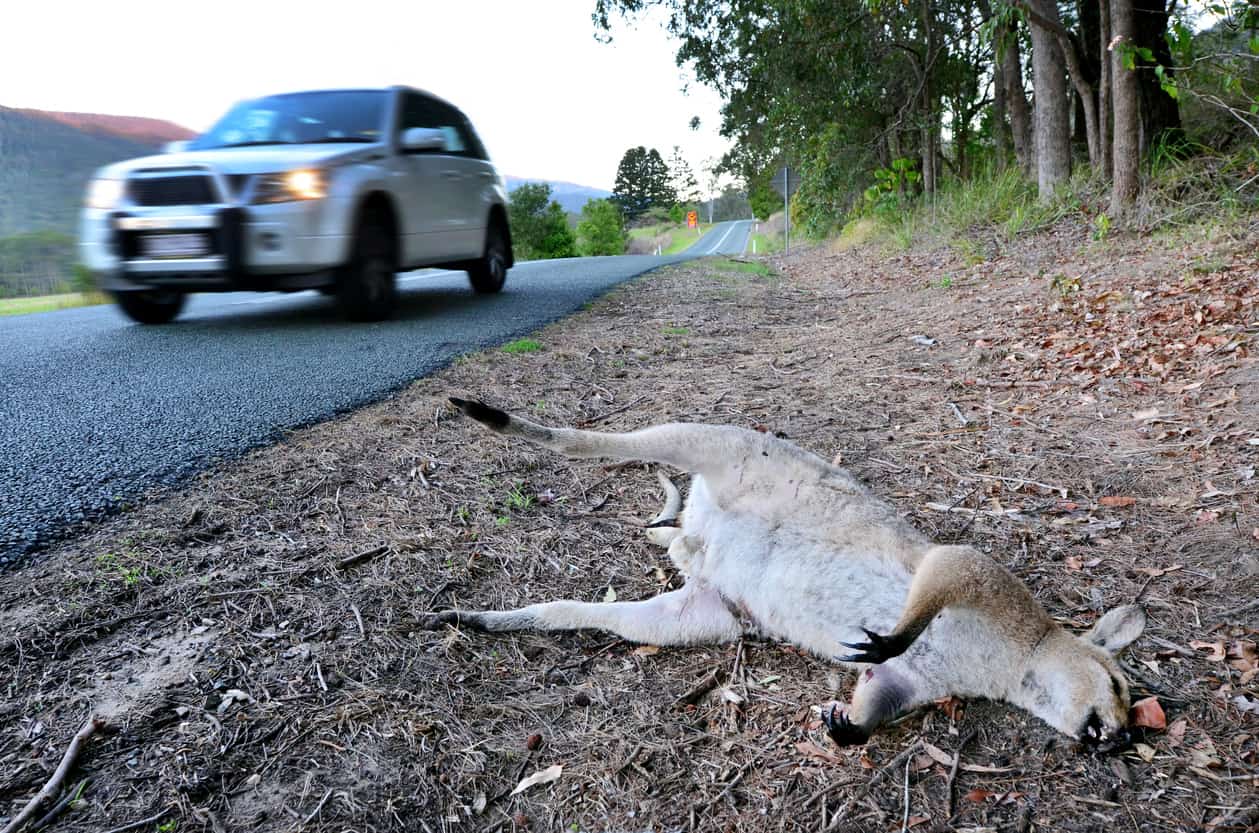 Late last century I worked in the Victorian Department of Labour as an administrative officer, at a time when award restructuring and “structural efficiency principles” were in full swing. The existing awards often included a swathe of special allowances for activities like working at heights or picking up roadkill. These allowances were commonly called “dirt money” or “danger money” and were largely eliminated or incorporated in the base rates of pay through the restructuring of awards.
The concept of “danger money” has disappeared from the formal industrial relations (IR) processes in Australia but is an important one to remember in the context of occupational health and safety (OHS), particularly as there are renewed calls for IR reforms in Australia.
Workers continue to accept high risk activities in response to higher rates of remuneration, as was recently discussed in another SafetyAtWorkBlog article. Below is one take on “danger money”and the OHS attitudes of trade unions