

Many articles about work-related burnout miss the occupational health and safety (OHS) point. On March 21, 2026, The Age published an article (paywalled) ostensibly about the benefits of disconnecting from phones and social media to combat burnout, improve mental health, and foster more meaningful, in-person connections. But the case it uses to make its point is also a case about the prevention of psychological harm at work.
Continue reading “Unsafe Work is Almost Always Behind Burnout”Category: wellbeing

Evidence that the four-day work week provides psychological health benefits
Recently, I bemoaned the lack of evidence on the occupational health and safety (OHS) benefits of a four-day work week. A reader pointed me to the research of sociologist Wen Fan. The most accessible way to her research is through an episode of the “Psych Health and Safety Podcast” from September 2025.

If Doctors Need Humanities to Stay Human, What About Safety Professionals?
It is increasingly common in Australia to discuss the issue of moral injury as it relates to the psychological health of medical, emergency, and health sector workers. The obvious controls of work and job design apply, but the training process and eligibility for these professions may also be contributing factors.
One answer may be found in a branch of the Humanities, and a similar approach may help employers and executives better understand occupational health and safety (OHS) and psychological safety.
Poor Editing Undermines Good Safety Thinking
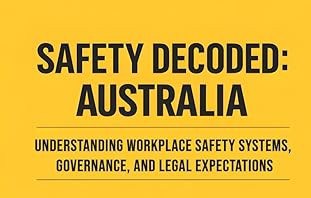
There is a strong trend among occupational health and safety (OHS) professionals and leadership coaches to self-publish books. Printing technology has made this much easier than previously. Artificial Intelligence will make it more so. The content might be okay, but many of these books need professional editing. Reading and learning are not just about the words on the page but also about the experience of reading a book that should become a treasured friend and a reliable reference.
Sadly, I recently purchased a book that is full of good intentions, but it’s not enjoyable.
Stop Blaming Workers for Problems They Didn’t Create
Australian occupational health and safety (OHS) is moving from a focus on interventions at the individual worker level to examination of the operational and managerial systems that may cause or encourage harm and incidents, especially in relation to psychological safety at work.
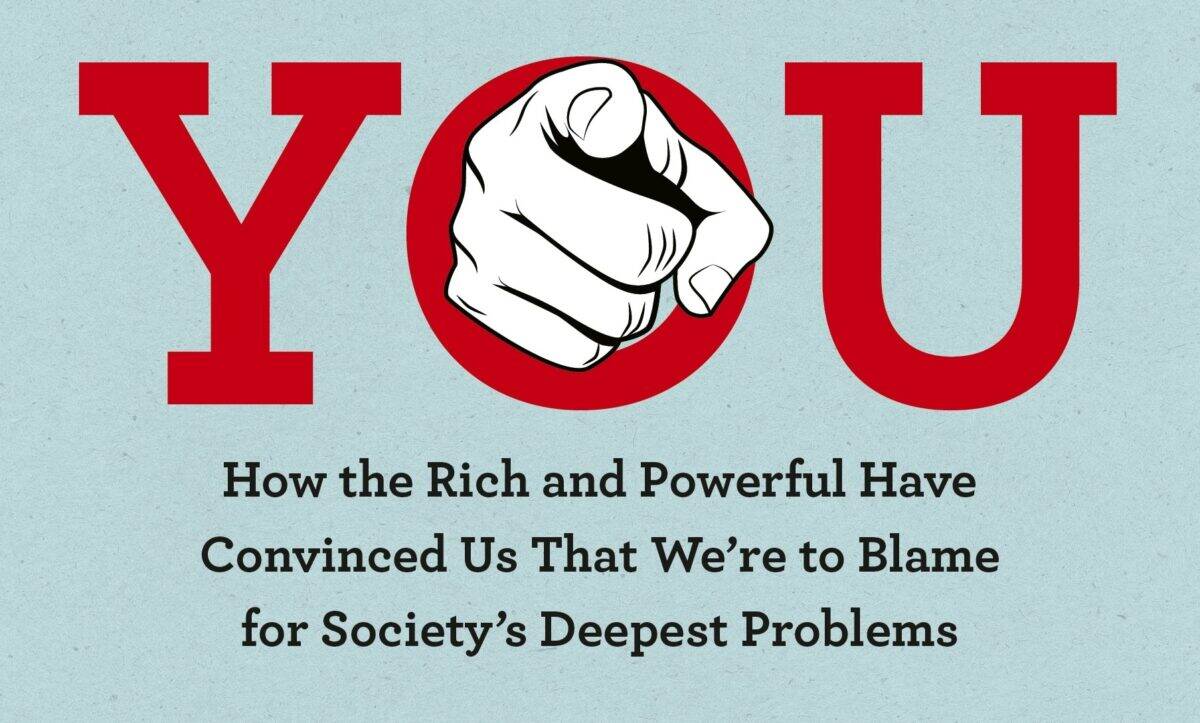
Although a new book from the United States does not address OHS specifically, its long title indicates its relevance – “It’s On You – How the Rich and Powerful Have Convinced Us That We’re to Blame for Society’s Deepest Problems”.

The 1970s Never Ended for Some Employers
For the last few years in Australia, occupational health and safety (OHS) laws have required that the prevention of psychosocial hazards be given the same prominence as the prevention of physical hazards. The most effective recommendation for change is the redesign of work, but very few employers seem to be applying this control. Many employers are still asking (their Human Resources officer) what this psychosocial stuff is all about.
Examining organisational culture at one Australian institution that failed to prevent and may have generated psychological harm in the 1970s provides some context for contemporary OHS struggles.

The Socialisation of Work Health and Safety
We like to pretend OHS begins with a regulation or a checklist, but the truth is far less glamorous: it starts with the basic childhood lesson of “don’t hurt people.” Everything else is just the paperwork society builds around that idea. Part of that “paperwork” is the process of socialisation.
There are several definitions of socialisation:
- learning how to live in a way acceptable to one’s own society,
- interacting with others, of being social, and
- implementing socialism.
Occupational health and safety (OHS) is part of all three (the third is more debatable). Socialisation is often seen as a personal experience, but in most instances, socialisation is imposed on us.