Sometimes marketing gets in the way of OHS information

The internet and social media are peppered with articles that are ostensibly about occupational health and safety (OHS) and psychosocial health and wellbeing but are really marketing exercises. These things pop up frequently on LinkedIn. A recent example is from Lyra Health called “Workforce Mental Health Trends for 2023: Top 3 Predictions“. You can see from the title why I would be interested in obtaining the full survey report.

I chose not to download the company’s survey for the following reasons.

Subscribe to SafetyAtWorkBlog to continue reading.
Subscribe Help
Already a member? Log in here

2022 review indicates the amount of OHS work needed in 2023

The end-of-year reviews are starting to emerge from Australia’s law firms. The most recent release is from Maddocks, who have released several short reports on occupational health and safety (OHS) hazards and suggested controls for employers to apply. So this is a year-in-review for 2022, but it is also a forecast of what needs to be changed in 2023.

Subscribe to SafetyAtWorkBlog to continue reading.
Subscribe Help
Already a member? Log in here

HR, welcome to the OHS world and start getting used to it

In an article on burnout in The Sydney Morning Herald and The Age on December 10 2022 (paywalled), there was a peculiar quote and some paraphrasing of Sarah McCann, chief executive of the Australian Human Resources Institute (AHRI), indicating the size of the challenges facing human resources professionals in preventing psychosocial harm in Australian workplaces.

The article is a peculiar one. It states that burnout has been categorised as an occupational risk by the World Health Organisation but then reports on psychological support organisations who are applying the concept outside of work activities. The justification for this is that the work undertaken at home or in caring for a family is unpaid work but still work, so the occupational definition applies. That’s a stretch, but it’s possible.

Subscribe to SafetyAtWorkBlog to continue reading.
Subscribe Help
Already a member? Log in here

Dunlop on psychosocial risks in law firms

Recently Maddocks law firm partner Catherine Dunlop spoke on the Lawyers Weekly Show podcast about psychosocial risks in the workplace. Although the podcast aims at legal practices, Dunlop’s comments and advice seem to apply to many white-collar jobs and professions.

Dunlop said that the discussion about psychosocial hazards at work has matured since the sexual harassment Respect@Work report and that:

Subscribe to SafetyAtWorkBlog to continue reading.
Subscribe Help
Already a member? Log in here

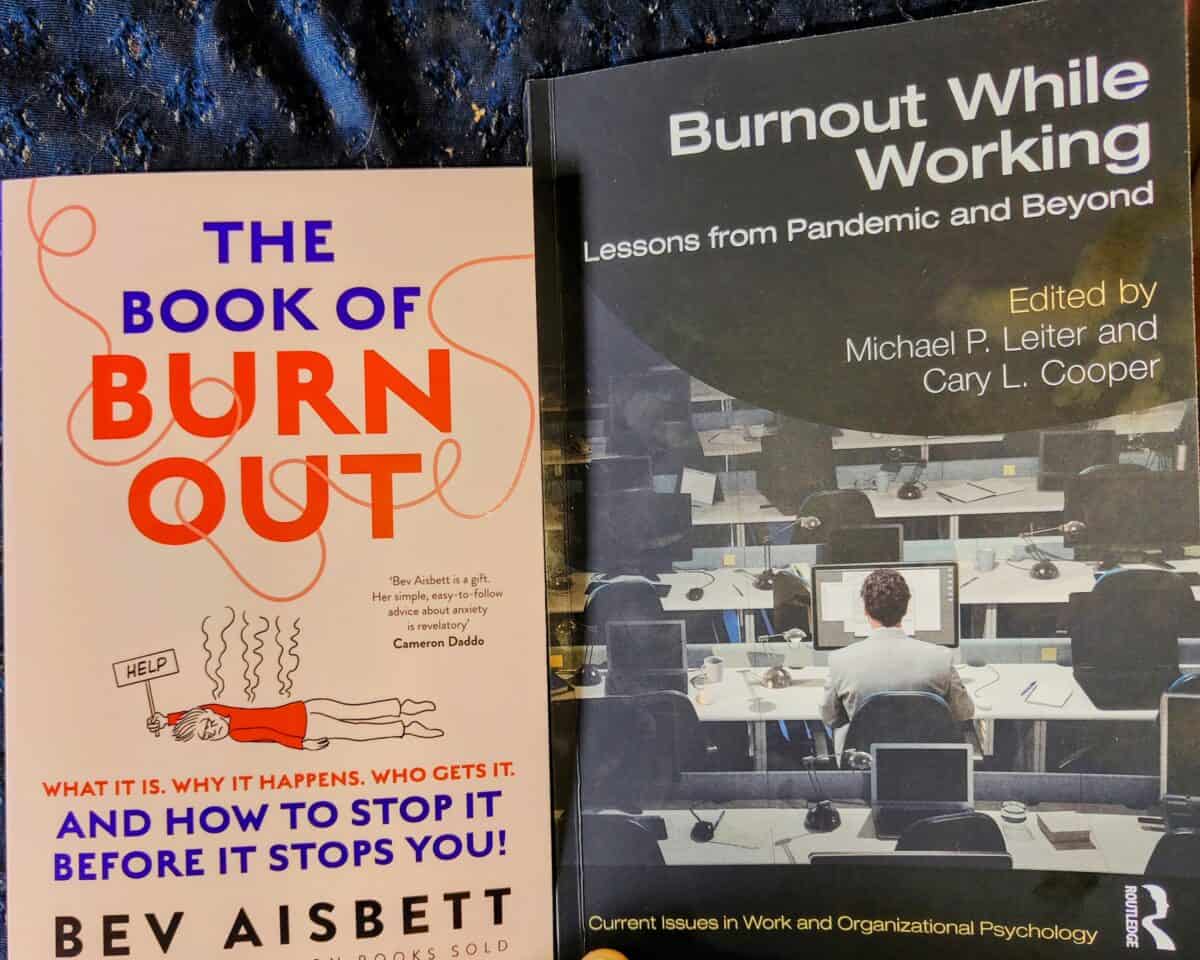
Stress dressed up as burnout

One of the impediments to a discussion about mental health at work is the discussion of burnout. There is little doubt that burnout is real, but often it is used as a synonym for mental illness, which is confusing workers and employers, making the prevention of psychosocial harm seem more complex than it is.

Recently a Sydney-based fintech company called Flare released a discussion paper or guide advising on how to manage burnout. It said:

Subscribe to SafetyAtWorkBlog to continue reading.
Subscribe Help
Already a member? Log in here

Workplace suicides should be both notified and investigated

Why does this blog keep writing about workplace suicides? For decades, occupational health and safety (OHS) policy has been determined and measured by traumatic physical fatalities. Psychosocial policies need to be determined and measured by work-related suicides. But to achieve this starting point, the stigma of suicide needs addressing. Recently Professor Sarah Waters and Hilda Palmer conducted an online seminar about workplace suicides and including them as notifiable incidents under the United Kingdom’s Reporting of Injuries, Diseases and Dangerous Occurrences Regulations (RIDDOR) laws, Australia needs a similar discussion.

Subscribe to SafetyAtWorkBlog to continue reading.
Subscribe Help
Already a member? Log in here

Sexual Harassment advice needs to think deeper and face the challenges

Lisa Annese‘s article is interesting but, as with many articles on sexual harassment at work, only goes so far. It is discussive rather than practical, even though it seems to promote action. Sometimes the actions are not clear enough to inspire change. Below are my thoughts on the six steps to complement Lisa’s recommendations.

Continue reading “Sexual Harassment advice needs to think deeper and face the challenges”
Concatenate Web Development
© Designed and developed by Concatenate Aust Pty Ltd