

Why does this blog keep writing about workplace suicides? For decades, occupational health and safety (OHS) policy has been determined and measured by traumatic physical fatalities. Psychosocial policies need to be determined and measured by work-related suicides. But to achieve this starting point, the stigma of suicide needs addressing. Recently Professor Sarah Waters and Hilda Palmer conducted an online seminar about workplace suicides and including them as notifiable incidents under the United Kingdom’s Reporting of Injuries, Diseases and Dangerous Occurrences Regulations (RIDDOR) laws, Australia needs a similar discussion.
Category: wellness
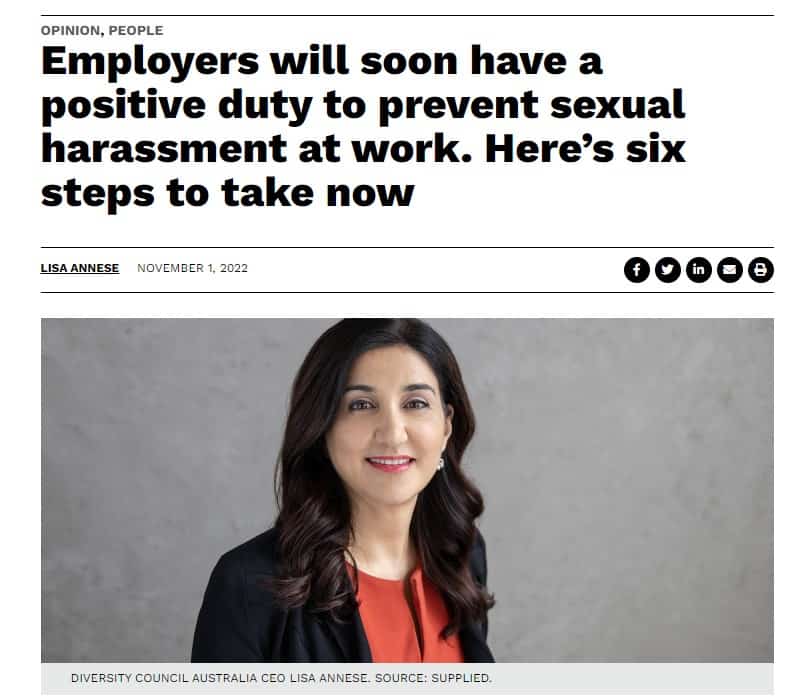
Sexual Harassment advice needs to think deeper and face the challenges
Lisa Annese‘s article is interesting but, as with many articles on sexual harassment at work, only goes so far. It is discussive rather than practical, even though it seems to promote action. Sometimes the actions are not clear enough to inspire change. Below are my thoughts on the six steps to complement Lisa’s recommendations.
Continue reading “Sexual Harassment advice needs to think deeper and face the challenges”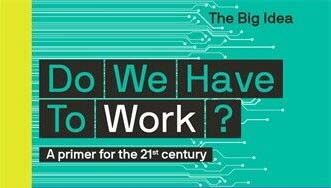
Do we have to work?
You often learn more about your area of speciality from reading outside of that speciality. Matthew Taylor’s book “Do We Have To Work?” is one of those books though it overlaps with occupational health and safety (OHS), if one thinks of the role and place of OHS in modern business.
The Big Idea series of books by Thanes & Hudson uses a jaunty format that is jarring in some ways but attractive in others. Its pages use fonts of different sizes, lots of colour images and highlighted cross-references that look like a Dummies Guide on acid, but the content is so good the reader works out where to look and what to choose fairly quickly.

Small steps in acknowledging workplace psychosocial risks
Australian workplaces need more diversity in their workforce, including workers affected by psychosocial illnesses and conditions. Recently Mental Health Australia released a position statement on employment and mental health.
The statement promoted increased employment opportunities but also touched on the role of occupational health and safety (OHS).
Continue reading “Small steps in acknowledging workplace psychosocial risks”
Disconnect and Positive Duties
Recently the Australian government released the interim report of the Select Committee on Work and Care. This committee is one to watch for many reasons; the least is that it is chaired by Senator Barabara Pocock, a leading researcher and writer on issues related to work/life balance and workplace equity. The report does not address occupational health and safety (OHS) risks directly;y but discusses many of the flexible work structures that can affect workers’ mental health.
One element of the Committee’s report deals with the Right to Disconnect – the right to turn off from the always-on workplace; a policy that returns the focus of days off to relaxation, hobbies or reconnection with friends and family.
Another is the imposition of another work-related positive duty.
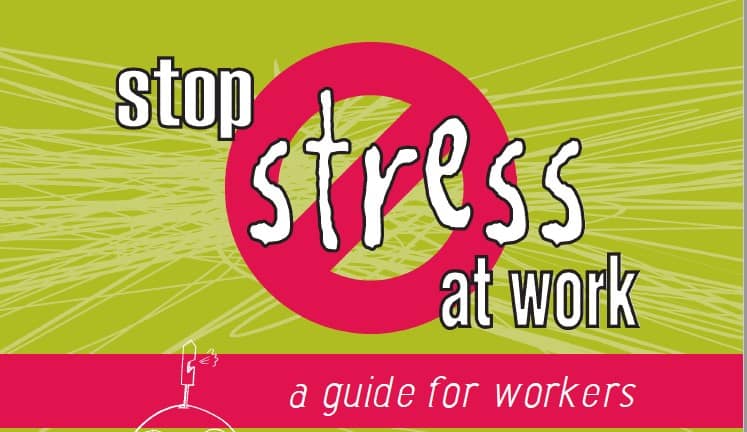
New trade union psychological safety survey shows how little has changed
Australia’s trade union movement has long been active on the issue of workplace psychological harm. Its 1997 Stress At Work survey of members led directly to the creation of workplace bullying and occupational violence guidance in Victoria and elsewhere. Over 20 years later, the Australian Council of Trade Unions (ACTU) undertook another survey of its members (not publicly available), again on mental health at work.
Who is responsible for Burnout? And for preventing it?
I apologise for often referring readers to paywalled content. This restriction can affect the impact and flow of a story, but I want readers to be able to verify the sources of my comments and my information. And I acknowledge that this blog, for many, is an example of the economic reality of paywalled content.
However, there was an article in The Guardian on October 11, 2022, about burnout that is well worth reading (You may be able to get short-term access). Below are some extracts from that article with my thoughts.
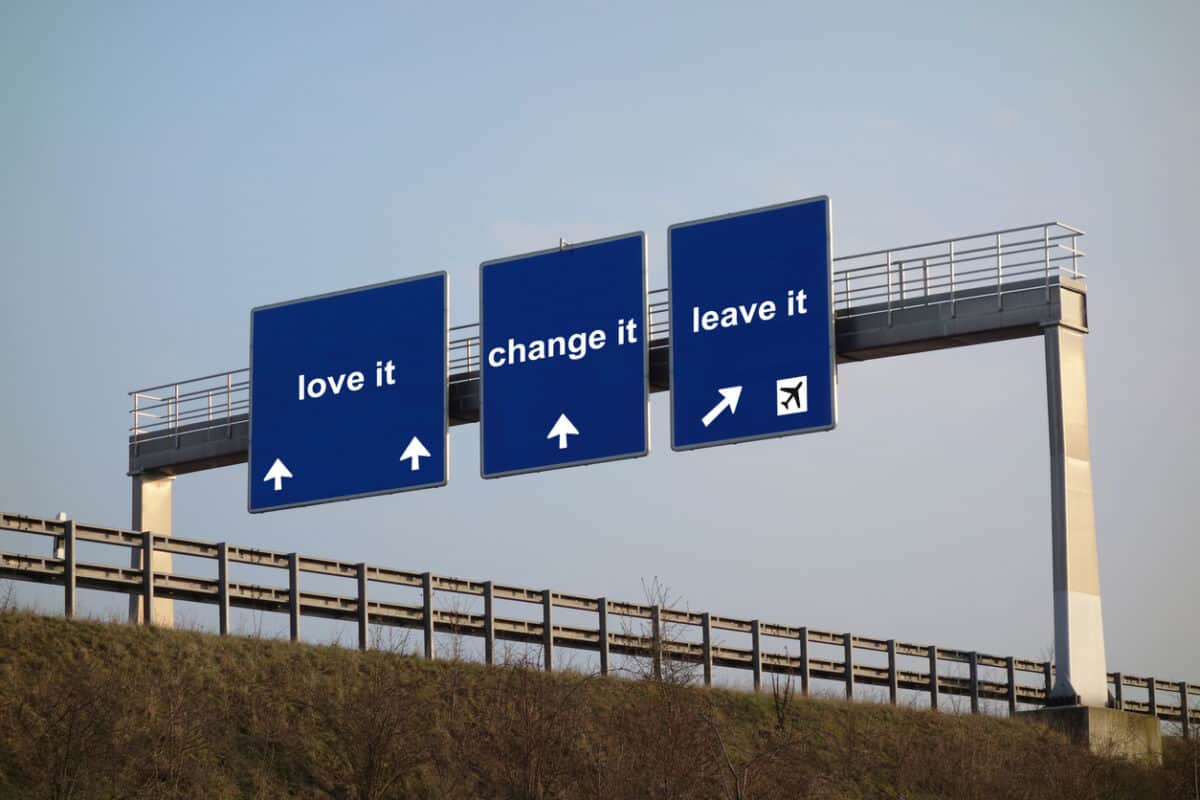
The Guardian article “‘I didn’t see how I could ever get back to a normal life’: how burnout broke Britain – and how it can recover” by Gaby Hinsliff,, recounts several cases of burnout and near-burnout that are typical of responses to work-related mental ill-health.