The end-of-year reviews are starting to emerge from Australia’s law firms. The most recent release is from Maddocks, who have released several short reports on occupational health and safety (OHS) hazards and suggested controls for employers to apply. So this is a year-in-review for 2022, but it is also a forecast of what needs to be changed in 2023.
Category: working from home
HR, welcome to the OHS world and start getting used to it
In an article on burnout in The Sydney Morning Herald and The Age on December 10 2022 (paywalled), there was a peculiar quote and some paraphrasing of Sarah McCann, chief executive of the Australian Human Resources Institute (AHRI), indicating the size of the challenges facing human resources professionals in preventing psychosocial harm in Australian workplaces.
The article is a peculiar one. It states that burnout has been categorised as an occupational risk by the World Health Organisation but then reports on psychological support organisations who are applying the concept outside of work activities. The justification for this is that the work undertaken at home or in caring for a family is unpaid work but still work, so the occupational definition applies. That’s a stretch, but it’s possible.
Do what you know is the right thing to do
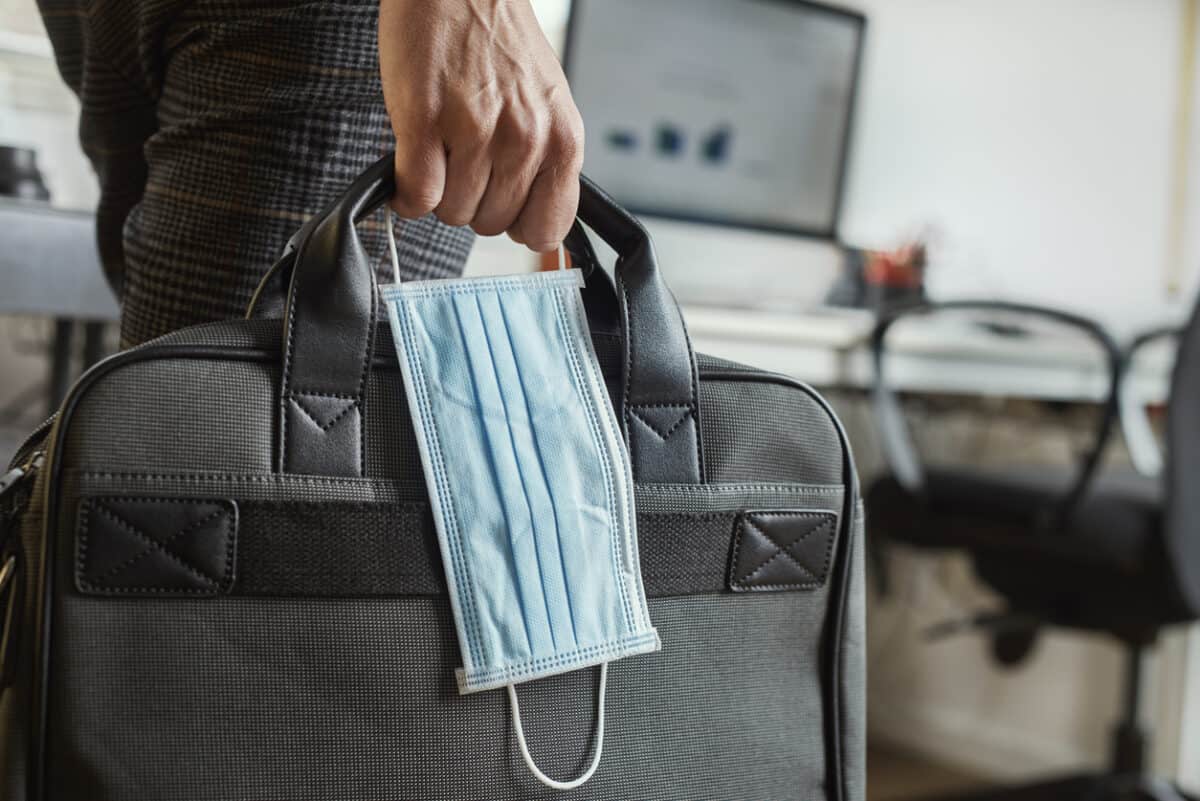
Currently, Australia has an increase in hospitalisations of people with the latest COVID-19 variants and influenza. The Victorian Government, in particular, is resisting implementing a mandatory requirement for masks even though this Winter had been flagged as a season of high risk for transmissible infections, and such control measures were shown to be effective in previous years.
Regardless of the politics in the Victorian Government’s decision, and there is a lot of politics there with an election in November, what should employers do to reduce the risks of workers catching or transmitting the virus, and so maintain continuous operation and production?
Continue reading “Do what you know is the right thing to do”Mixed OHS messages from business groups on COVID-19
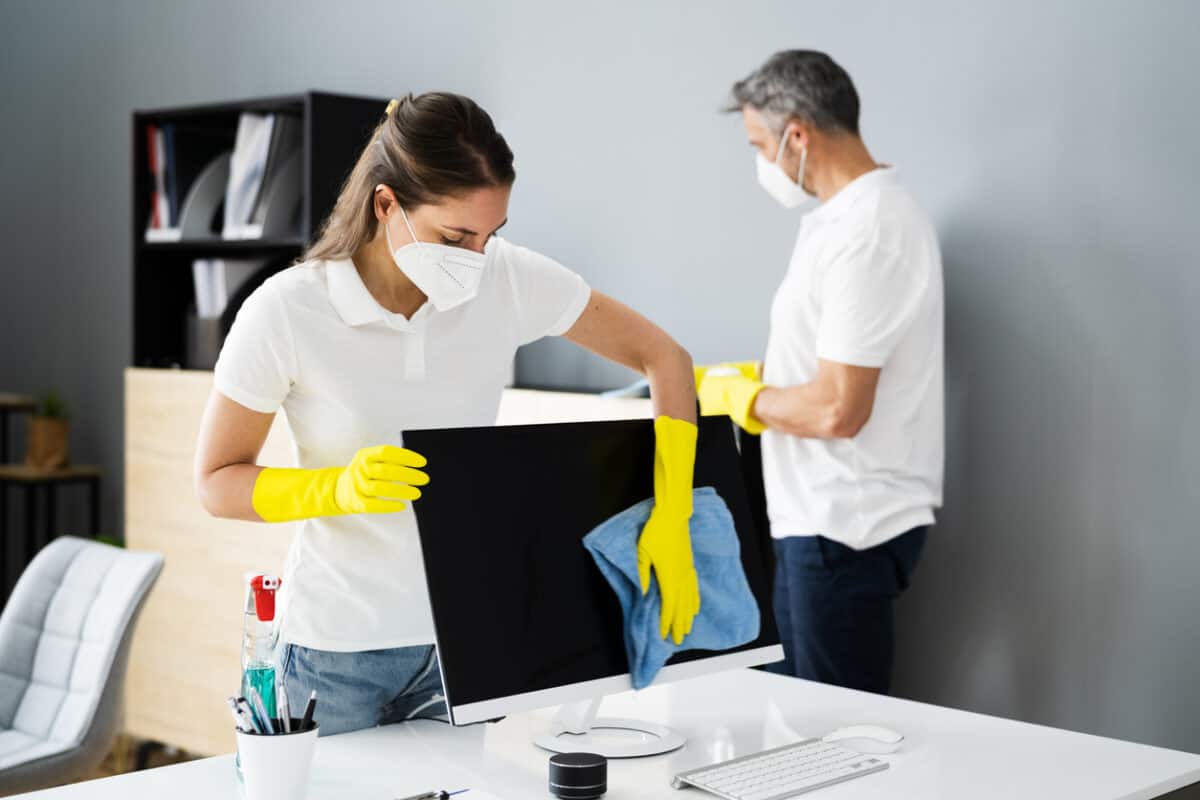
COVID-19 and its variants persist as real risks in Australian workplaces, but employers want workers to continue to return to workplaces. Most of these workplaces have not been redesigned to increase ventilation. Most persist with long desks of multiple users in open-plan arrangements, although some continue with almost continuous cleaning regimes. Employers can argue that they are following public health guidelines (or their absence), but the occupational health and safety (OHS) risks still need managing.
Does OHS research have a Left and a Right?
Occupational health and safety (OHS) has had an uneasy ride in political debates in Australia, often because there is a disturbing morality in laws that dictate an employer has responsibility for the safety and health of their workers, even if legal wriggle room is allowed. There is no written history of OHS in Australia except within the confines of Industrial Relations, if it gets mentioned at all.
Recently I engaged in a conversation with a professional colleague on LinkedIn (I know, didn’t your Mother always say not to engage with people on social media? Well, this is a blog so….). That colleague made some odd political statements.
Research shows the danger of overconnection
Many companies are starting to settle into hybrid working arrangements where workers are in the office for part of their time and at home for others. The occupational health and safety (OHS) impacts are still being discovered and refined. The flexibility of these hybrid arrangements is both good and bad, as identified recently by the European Foundation for the Improvement of Living and Working Conditions (Eurofound) in its analysis of the Right-To-Disconnect.
This could/should become a significant consideration when complying with Australia’s OHS regulations for psychologically safe workplaces currently under development.
Eurofound’s Executive Summary states:
“Digital technologies have made it possible for many workers to carry out their work at any time and anywhere, with consequent advantages and disadvantages. Potential advantages include greater autonomy, better work–life balance, improved productivity and environmental benefits. However, the constant connection enabled by information and communications technology (ICT)-based mobile devices can pose risks to health and well-being, as well as causing work–life balance conflict linked to longer working hours and the blurring of boundaries between work and private life.”
Over-emphasising the COVID pandemic
Everyone has struggled through the COVID-19 pandemic. Many have died. We have to continue to make many allowances for businesses and people due to the disruption, but some are using the pandemic as an excuse for not doing something. Occupational health and safety (OHS) inactivity is being blamed on COVID-19 in some instances, masking or skewing people’s approach to workplace health and safety more generally.
Continue reading “Over-emphasising the COVID pandemic”