Consumer Product Safety System review should be on the OHS radar

Following on from the product safety theme in yesterday’s article, it is noted that the Australian Treasury has opened a consultation phase on improving the effectiveness of the Consumer Product Safety System. The report makes specific reference to workplace health and safety laws.

This consultation is a direct result of the recent review of Australian Consumer Law:

“The Australian Consumer Law Review final report recommended the introduction of a General Safety Provision (GSP) into the Australian Consumer Law (ACL) requiring traders to take reasonable steps to ensure the safety of a product before selling it onto the market.”

page 7

The GSP has similarities to the duties of the PCBU (person conducting a business or undertaking) under the model Work Health and Safety (WHS) laws.
Subscribe to SafetyAtWorkBlog to continue reading.
Subscribe Help
Already a member? Log in here

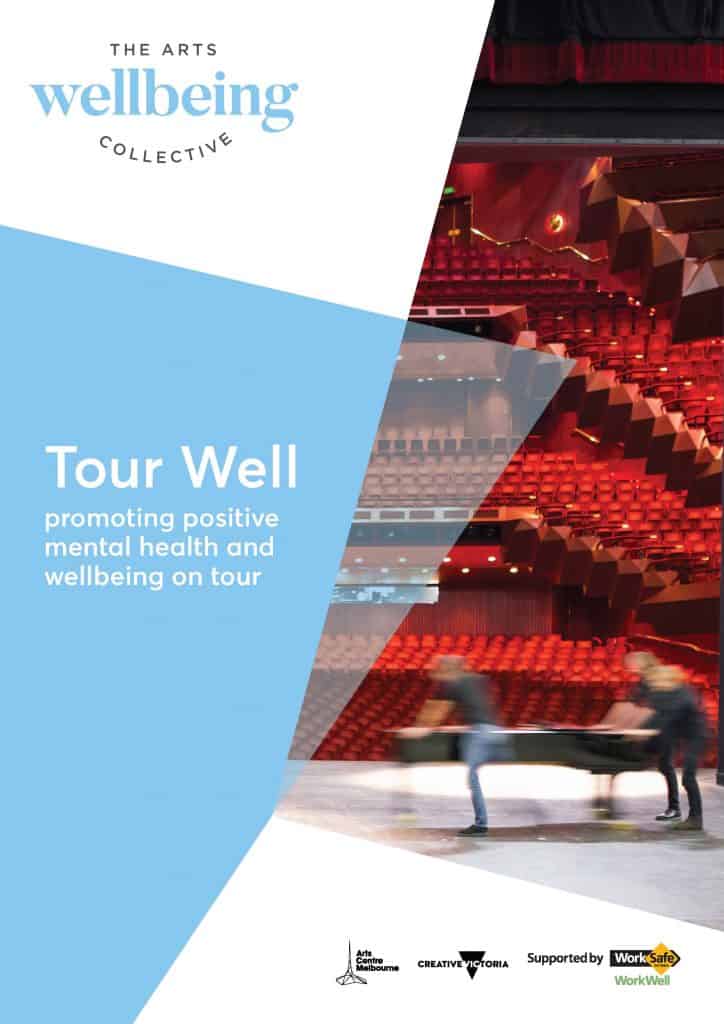
Arts Wellbeing Collective shows how it’s done

From an occupational health and safety (OHS) perspective, part of the reason that the Arts Wellbeing Collective (AWC) is being so successful and admired is that it originated outside of the traditional OHS and Health funding models. Existing in the performing arts meant the Collective drew firstly on their modern version of patronage by approaching their sponsors.

Recently the CEO of the AWC, Claire Spencer, spoke at the launch of Victoria’s Health and Safety Month and reminded the audience of the dire straits the performance arts were in with relation to mental health. She referenced the research commissioned by Entertainment Assist and conducted by Victoria University

Subscribe to SafetyAtWorkBlog to continue reading.
Subscribe Help
Already a member? Log in here

Shared Values, Social Values and Safety Values

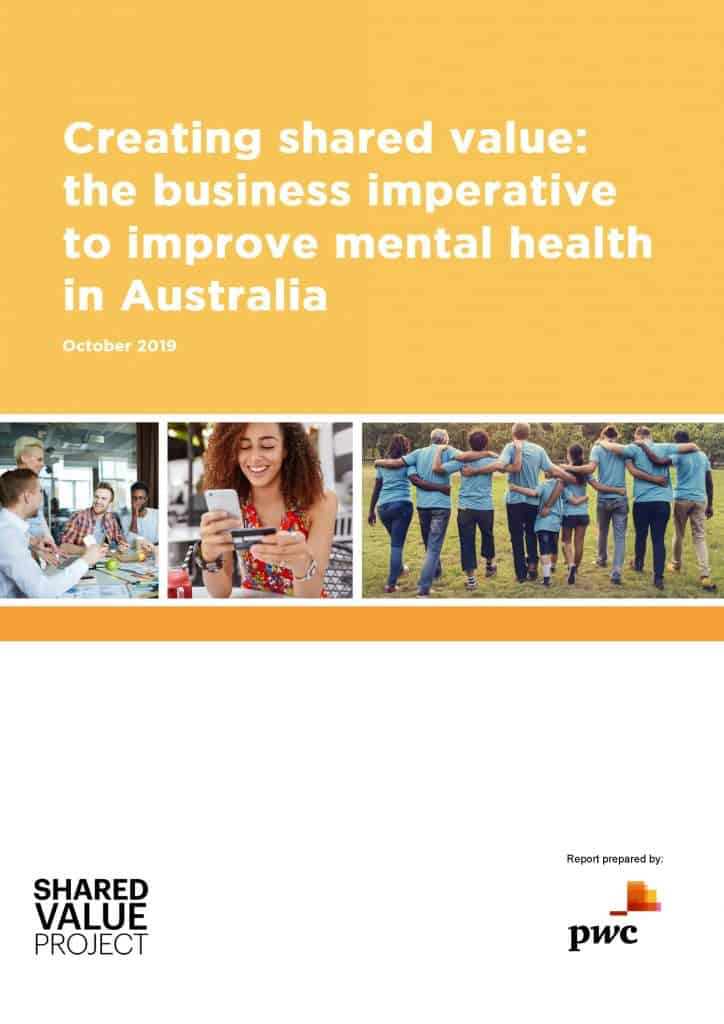
Last week, the Shared Value Project launched its whitepaper called “Creating Shared Value, the Business Imperative to Improve Mental Health in Australia.” It is an interesting document that is part of the trend of reconfiguring capitalism, the decline of neoliberalism, talk of a “social licence”, Environmental, Social and Governance (ESG) and more. Depending on one’s position on capitalism, this makes it part of the wave of change or another failed humanitarian action in the wake of that capitalism.

Several people spoke at the launch, including Professor Allan Fels and the Victorian Minister for Mental Health, Martin Foley.

Subscribe to SafetyAtWorkBlog to continue reading.
Subscribe Help
Already a member? Log in here

Shared Value and Mental Health

This morning SafetyAtWorkBlog attended the launch of a whitepaper called “Creating shared Value: the business imperative to improve mental health in Australia” produced by the Shared Value Project. Just after the launch I had the opportunity for a quick interview with Shared Value Project CEO Helen Steel. Below is that audio as a short Safety At Work Talks podcast.

A longer article on the white paper and the comments of Victoria’s Minister for Mental Health, Martin Foley, at the launch will be available next week.

Kevin Jones

Tough but fair – Allan Fels

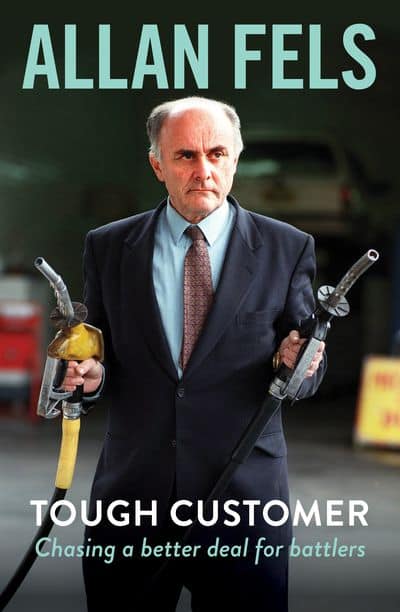
Allan Fels has served the Australian public for decades as the head of the Australian Competition and Consumer Commission, a Mental Health Commissioners and recently a Royal Commissioner for the Victorian Government in its inquiry into mental health. His level of activity and the breadth of that influence is extraordinary and should be no surprise that his service has overlapped and influenced workplace health and safety.

That experience has generated a book – Tough Customer – in which Fels reflects on his public service roles but also about how his life and that of his family have influenced his view of the world and his policy priorities. SafetyAtWorkBlog was able to speak with him for a short while earlier this week on the topics of

  • mental health
  • workplace health and safety
  • executive and political perspectives
  • the gig economy
  • ethics and social justice
  • the ACCC.
Subscribe to SafetyAtWorkBlog to continue reading.
Subscribe Help
Already a member? Log in here

Bystanders, safety hazards and prevention of harm – “what you do or don’t do”

Occupational health and safety (OHS) relies on workers to “blow the whistle” on the existence of hazards to their employers, even though the process is not considered whistleblowing. The avoidance of many workplace hazards has always relied on bystanders – one’s work colleagues who may say “watch out!” In recent years, the action of notifying employers and authorities of hazards, and of drawing colleagues’ attention to0 hazards has increased in prominence and debate, especially around the issue of psychological harm and, a subset of that harm – sexual harassment.

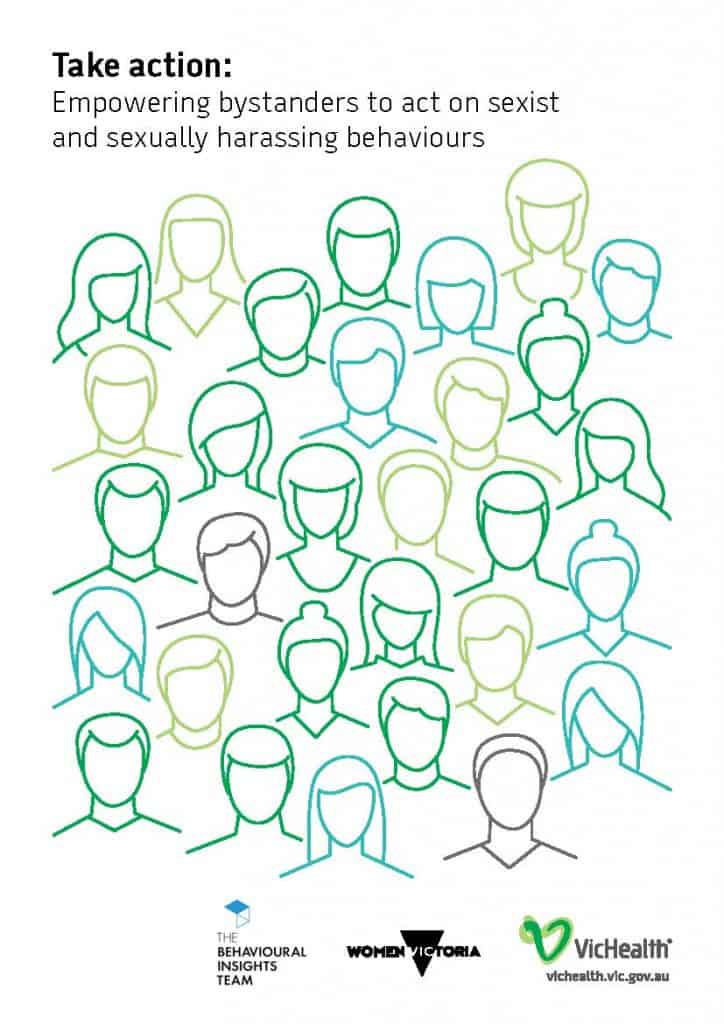
In September 2019, the Victorian Government released what it describes as a toolkit on bystander interventions in relation to sexual harassment and sexism. The full document is useful but, as with many government guidances on this issue, almost ignores the role of health and safety management in the prevention and reduction of this type of hazard.

Subscribe to SafetyAtWorkBlog to continue reading.
Subscribe Help
Already a member? Log in here

COSBOA is outraged over mental health and jail

On September 24 2019, the Council of Small Business Organisations Australia (COSBOA) called for the withdrawal of the Boland review into Australia’s work health and safety (WHS) laws.

In a media release COSBOA’s CEO, Peter Strong, states:

“The report solely focusses on workers, giving zero consideration to the mental health of employers and the self-employed….”

Continue reading “COSBOA is outraged over mental health and jail”
Concatenate Web Development
© Designed and developed by Concatenate Aust Pty Ltd