Burnout, self-advocacy and more

SafetyAtWorkBlog’s initial approach to Justine Alter, Psychologist and co-director of Transitioning Well. on the prevention of Burnout illicited the following response. It deserved further exploration so Alter was sent a further set of questions leading to useful answers.

“Prevention strategies are considered to be the most effective approach for addressing workplace burnout, and there are a number of things that workers can do to minimise the risk:   

– Recognise the importance of a work-life balance ensuring that you get some recovery time
– Prioritise your time. Identify what is important, what can wait, and what can be delegated to others
– Self-advocacy. This can be difficult, however thinking about the importance of your mental and emotional health may help you advocate better for yourself
– Lead by example: utilise any flexible leave policies and opportunities that your company may provide
– Remain aware of resources that are available through your workplace – EAP, counselling, etc.  Consider making these resources available if they aren’t already.”
Continue reading “Burnout, self-advocacy and more”

Hopefully prevention of mental injuries at work will emerge in this Royal Commission

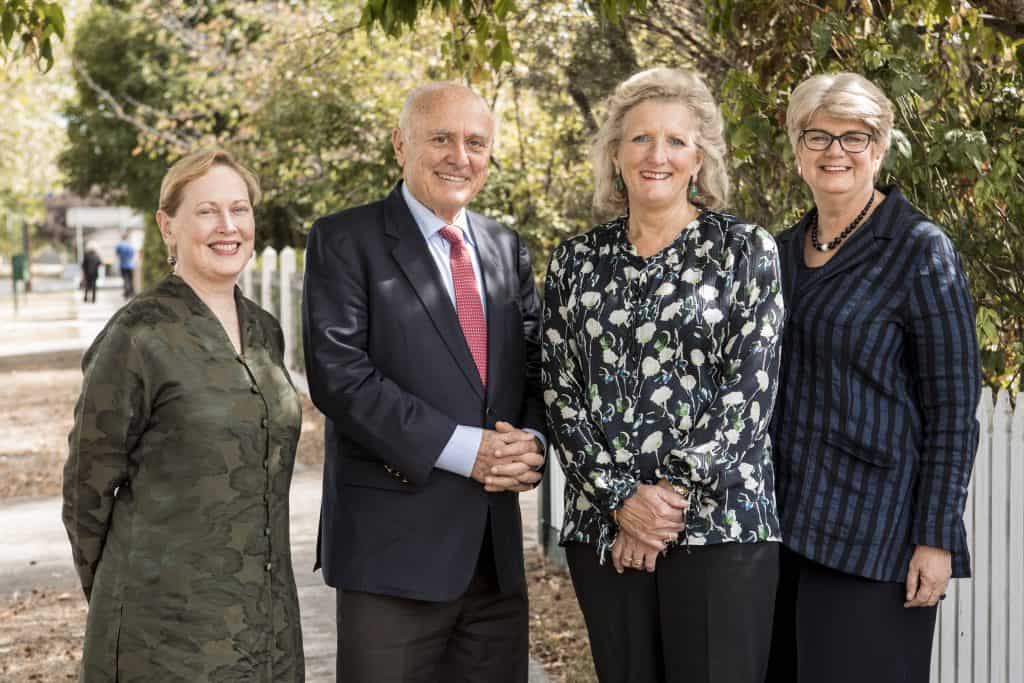
LtoR: Professor Bernadette McSherry, Prof. Allan Fels, Penny Arnytage, Dr Alex Cockram

The first week of media coverage of Victoria’s Royal Commission into Mental Health is very thin on the roles and impacts of workplaces and work activities on people’s mental health, but it is part of the conversation.

The Public Hearings on July 4-5 had Prevention and Early Intervention as their theme. Prevention as occupational health and safety (OHS) people would apply was mostly absent. Prevention, in OHS terms, is usually about the elimination of a risk or hazard whereas the impression from the discussion in the Royal Commission over the last few days is that mental health is something that appears, strikes an individual (with ripples to relatives), is treated and a new psychological normal, a functional/social normal is established. Analysis of the social, occupational and environmental precursors, elements that OHS investigations are obliged to consider, seems missing, at the moment.

According to the Commission’s transcript Chair Penny Armytage said on July 2, 2019:

“We start these hearings with a wide lens. Not in hospitals or clinics, but in our homes, our sporting fields and our workplaces.”

Subscribe to SafetyAtWorkBlog to continue reading.
Subscribe Help
Already a member? Log in here

The potential of undocumented safety

SafeWorkSA’s CEO, Martyn Campbell, is fast becoming the highest profile occupational health and safety (OHS) regulator in Australia, partly because he has committed to communicating with stakeholders. Recently on the SafetyOnTap podcast Campbell, spoke about non-paper-based compliance. Given the current attention to safety clutter by David Provan and Greg Smith, his comments deserve some brief consideration.

Campbell was speaking about the importance of formalising OHS investigations through ICAM or root cause analysis and how proof of safety compliance comes through paperwork:

Subscribe to SafetyAtWorkBlog to continue reading.
Subscribe Help
Already a member? Log in here

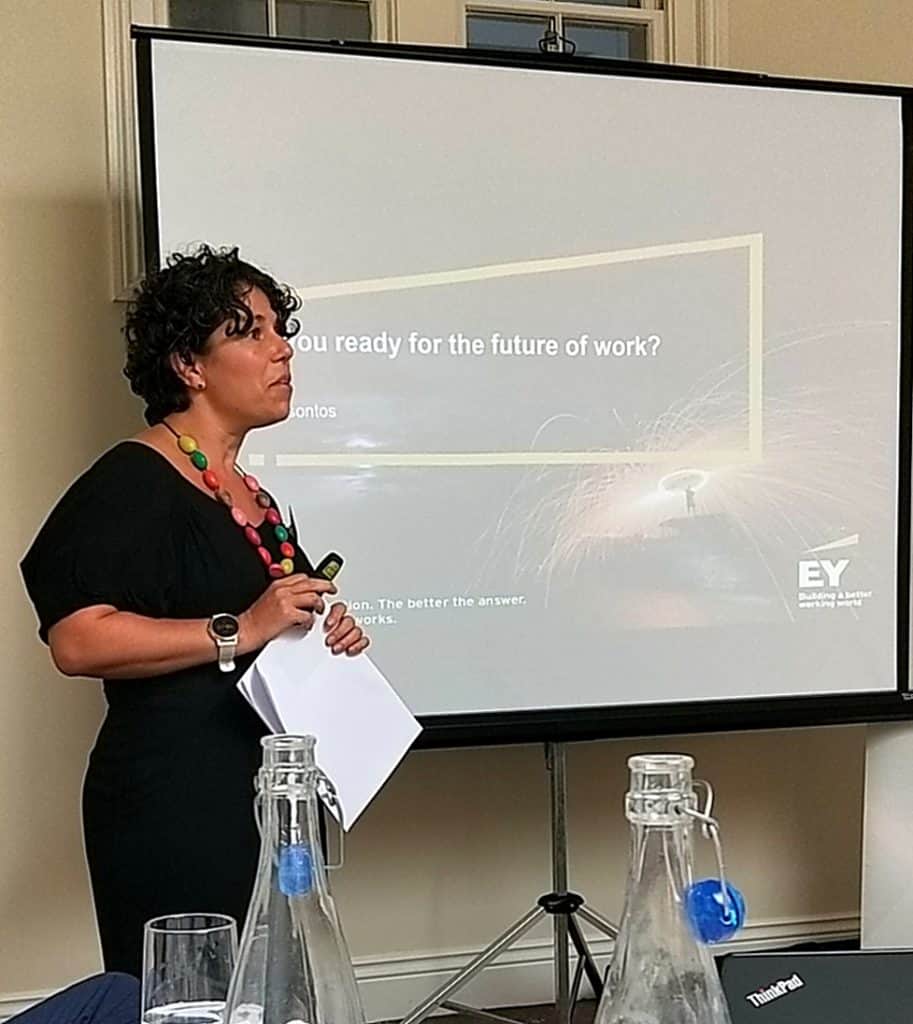
Andi Csontos, OHS futurist

Andi Csontos

The future of work is usually portrayed as a future dominated by Artificial Intelligence (AI) and electronic technology, and one with which humans will struggle to cope. As other industrial sectors panic over potential job losses, it may be good news for the occupational health and safety (OHS) profession which feeds on the potential for harm. The future will still contain harm, but probably new types.

Consultation has been critical to OHS and its ability to improve health and safety, but many OHS people do not have to leave the office. There activities revolve around complicated Excel spreadsheets of intricate injury classifications and risk calculations. But OHS existed long before these technological burdens, which some would describe as dead-ends and others as the accumulation of valuable data. However, talking about safety and, more important, listening to others discussing safety is the most important tool an OHS profession has and will have in the Fourth Industrial Revolution.

This was reinforced recently by EY’s EHS Partner Andi Csontos (pictured above) at a seminar in Ballarat Victoria. Csontos paraphrased a recent EY discussion paper:

Subscribe to SafetyAtWorkBlog to continue reading.
Subscribe Help
Already a member? Log in here

Answers and clues on workplace bullying and mental health in a small package

Talking about occupational health and safety (OHS) is a critical element so explaining the concept but also strengthening OHS as more and more people understand its socio-economic and organisational context. Sometime this is done through newsletters from OHS Regulators, sometimes by large and/or expensive conferences. Sometimes all of this still fails to reach the right audience.

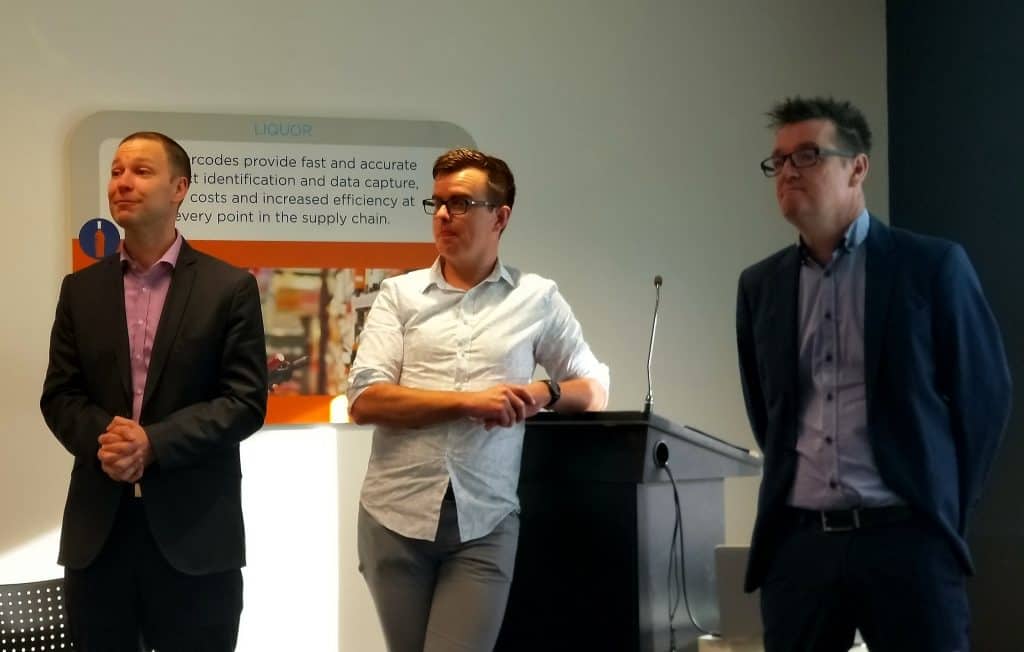
Mark Stipic, Antony Malmo and Michael Plowright

Last week a small seminar was held in the Melbourne suburb of Mulgrave. That seminar was no more than 90 minutes and provided advice from three experts in OHS-related topics related to workplace bullying. These were the psychology of workplace bullying, the management and prevention of it and workers compensation for the resultant mental ill-health.

Subscribe to SafetyAtWorkBlog to continue reading.
Subscribe Help
Already a member? Log in here

Journalism survey data on how to communicate most effectively

The Australian Associated Press Medianet has released it 2019 survey on journalism and social media (not currently publicly available). It is an important survey as it illustrates journalists’ preferred ways of being contacted but also shows what media they watch and read. This knowledge is useful for anyone who is trying to create or improve their social and public voice, as the occupational health and safety (OHS) profession and Regulators are trying to do.

For instance, it is surprising that 81% of survey respondents still want to be contacted by email. Also, of the social media platforms – Facebook, Twitter, Instagram and LinkedIn, – only 7% of respondents have LinkedIn as a communication preference (Facebook – 50%, Twitter – 29%, Instagram – 14%).

Subscribe to SafetyAtWorkBlog to continue reading.
Subscribe Help
Already a member? Log in here

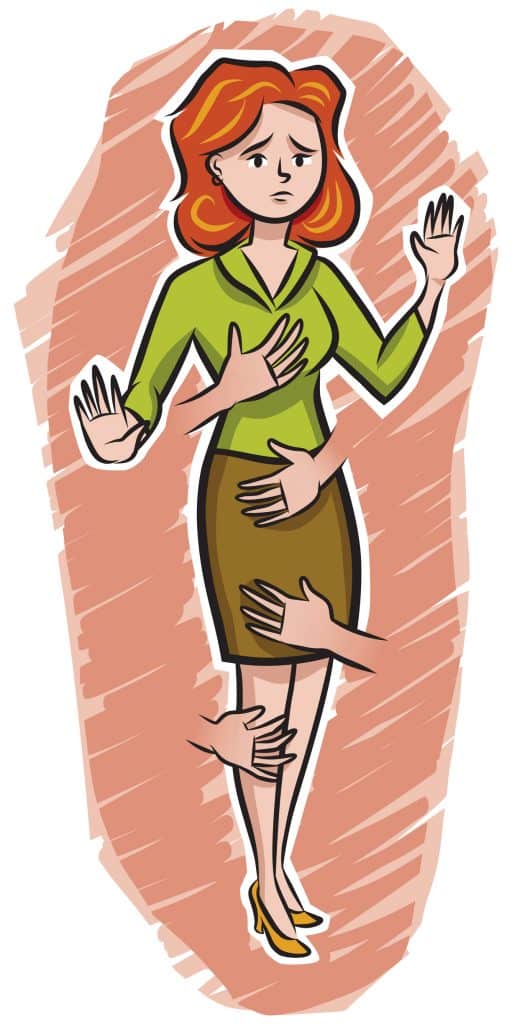
Workplace sexual harassment inquiry releases more submissions

The National Inquiry into Sexual Harassment in Australian Workplaces has released another block of public submissions. many of them involve examples of horrible harassment and psychological harm, but several offer research, suggestions for improvement and, a little bit of, prevention.

Those making the recently released submissions seem to be realising that the inquiry’s terms of reference focuses on Australian workplaces.

Non-disclosure agreements and communication barriers

One submission is from Professor Judith Bessant, AM, of RMIT University (Submission 188) in which she addresses the application of Non-Disclosure Agreements (NDAs). NDAs have been in the press lately as some of those who experienced sexual harassment were unable to make submissions to this Inquiry without contravening the NDA they had with their employer. Professor Bessant asserts that

Subscribe to SafetyAtWorkBlog to continue reading.
Subscribe Help
Already a member? Log in here
Concatenate Web Development
© Designed and developed by Concatenate Aust Pty Ltd