 The trade union movement was instrumental in showing that workplace bullying was a pervasive problem in Australian workplaces. Many Codes of Practice and guidances for workplace bullying and occupational violence were written shortly after the action by the Australian Council of Trade Unions almost two decades ago. But, for some reason, although sexual harassment was mentioned in those early documents, it never received the attention in occupational health and safety (OHS) circles that, in hindsight, it should have.
Perhaps a more sustainable and effective strategy would be to focus on the “harassment” rather than the “sexual”, or in

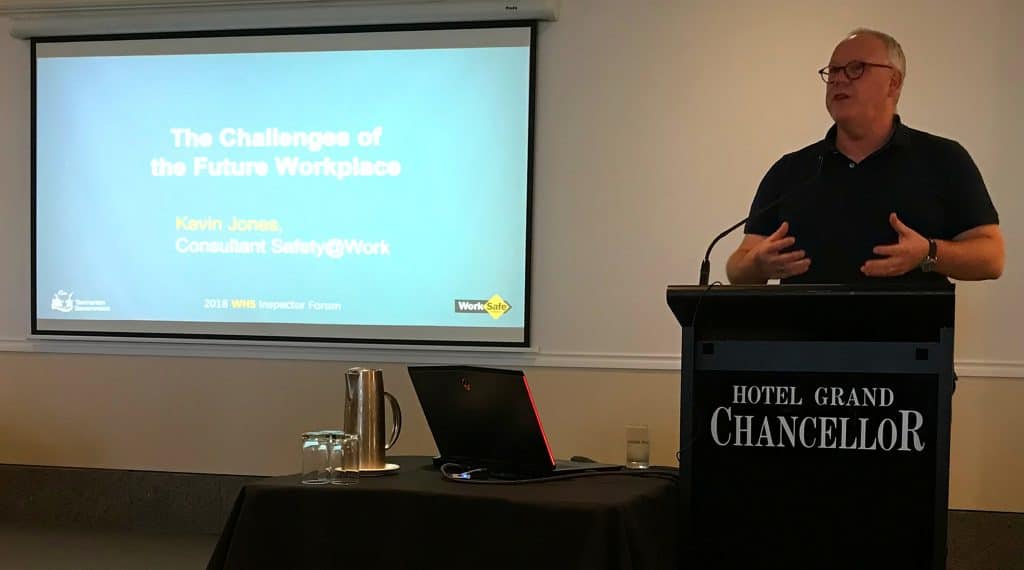
 Every industry sector should have its own occupational health and safety (OHS) conference. This allows for specific OHS topics to be presented but also provides for a broader context. The recent conference conducted by the