Danger Money has been internalised

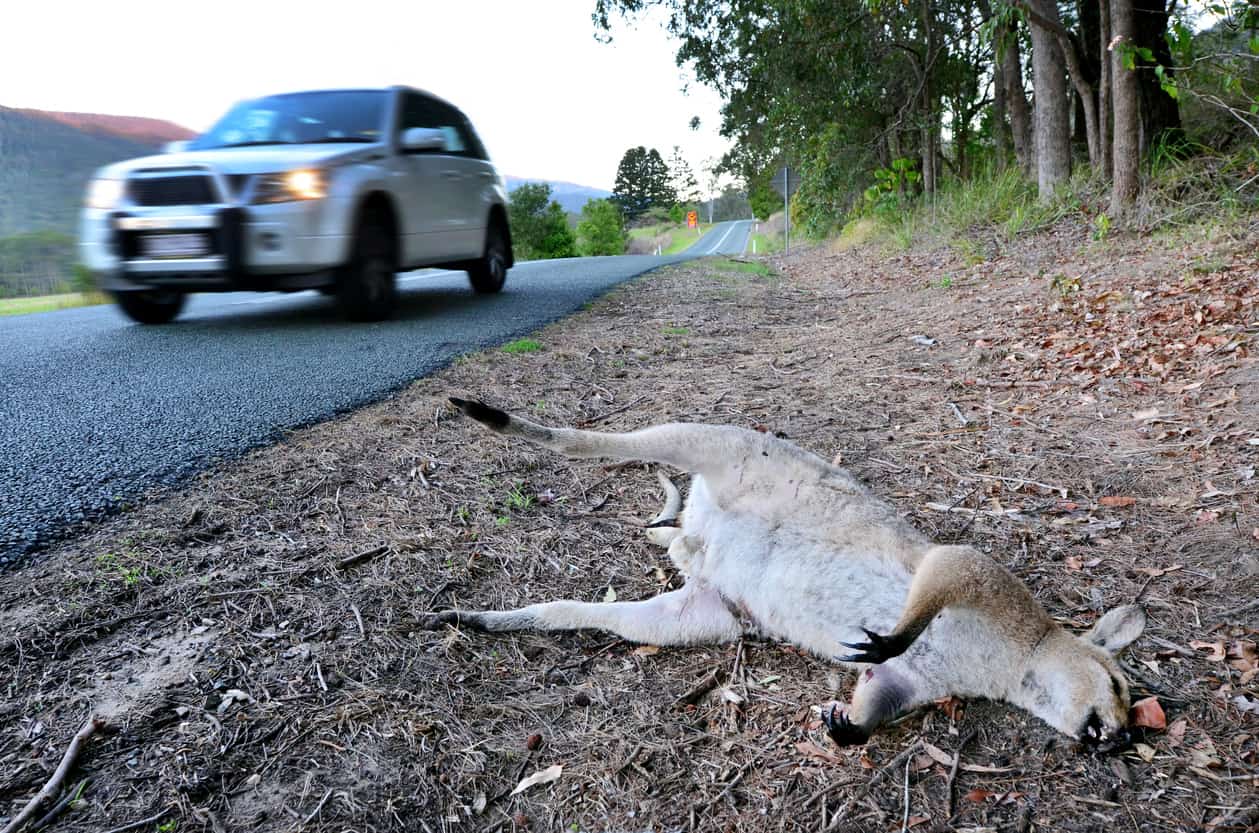
Late last century I worked in the Victorian Department of Labour as an administrative officer, at a time when award restructuring and “structural efficiency principles” were in full swing.  The existing awards often included a swathe of special allowances for activities like working at heights or picking up roadkill.  These allowances were commonly called “dirt money” or “danger money” and were largely eliminated or incorporated in the base rates of pay through the restructuring of awards.

The concept of “danger money” has disappeared from the formal industrial relations (IR) processes in Australia but is an important one to remember in the context of occupational health and safety (OHS), particularly as there are renewed calls for IR reforms in Australia.

Workers continue to accept high risk activities in response to higher rates of remuneration, as was recently discussed in another SafetyAtWorkBlog article.  Below is one take on “danger money”and the OHS attitudes of trade unions
Subscribe to SafetyAtWorkBlog to continue reading.
Subscribe Help
Already a member? Log in here

First WHS Review submission released is hard work but useful

The Minerals Council of Australia (MCA) has released its submission to the Independent Review of Work Health and Safety Laws.  It is a good example of the business-speak that can erode the effectiveness of clear communication, but the submission is still revealing.  Here is an example from its Executive Summary:

“A nationally-consistent, risk-based preventative Work Health and Safety (WHS) regulatory system, supported by industry-specific regulation, would deliver benefits based on greater certainty, consistency and efficiency. It would also help to ensure that compliance challenges do not detract from the practical tasks of identifying, managing and minimising risk and the continuous improvement of safety and health outcomes by companies.” (Page 3)

So, the MCA wants national occupational health and safety (OHS) laws?

Subscribe to SafetyAtWorkBlog to continue reading.
Subscribe Help
Already a member? Log in here

FIFO, Fairness and the Future

Trucks in Super Pit gold mine, Kalgoorlie, Western Australia

SafetyAtWorkBlog’s article about the safety of Fly-In, Fly-Out workers has generated some discussion through its mention on LinkedIn which has raised some interesting points.

A common thread seems to be that it is impractical to build townships and facilities to support remote mine workers and which also provide services to workers’ families. One commenter posed these questions:

“Are we going to drag the FIFO families out to these areas, build houses for them, along with all the associated infrastructure to support them, for what may be only a 3-5 year construction program? Is it fair to drag the partners and families of FIFO workers away from their family supports (parents/friends, etc)? Away from decent medical care? Away from schools/universities?”

This may have been intended as rhetorical but prompts a question that I frequently ask when I consult with clients – “why not?”

Subscribe to SafetyAtWorkBlog to continue reading.
Subscribe Help
Already a member? Log in here

You have to be in it to influence it

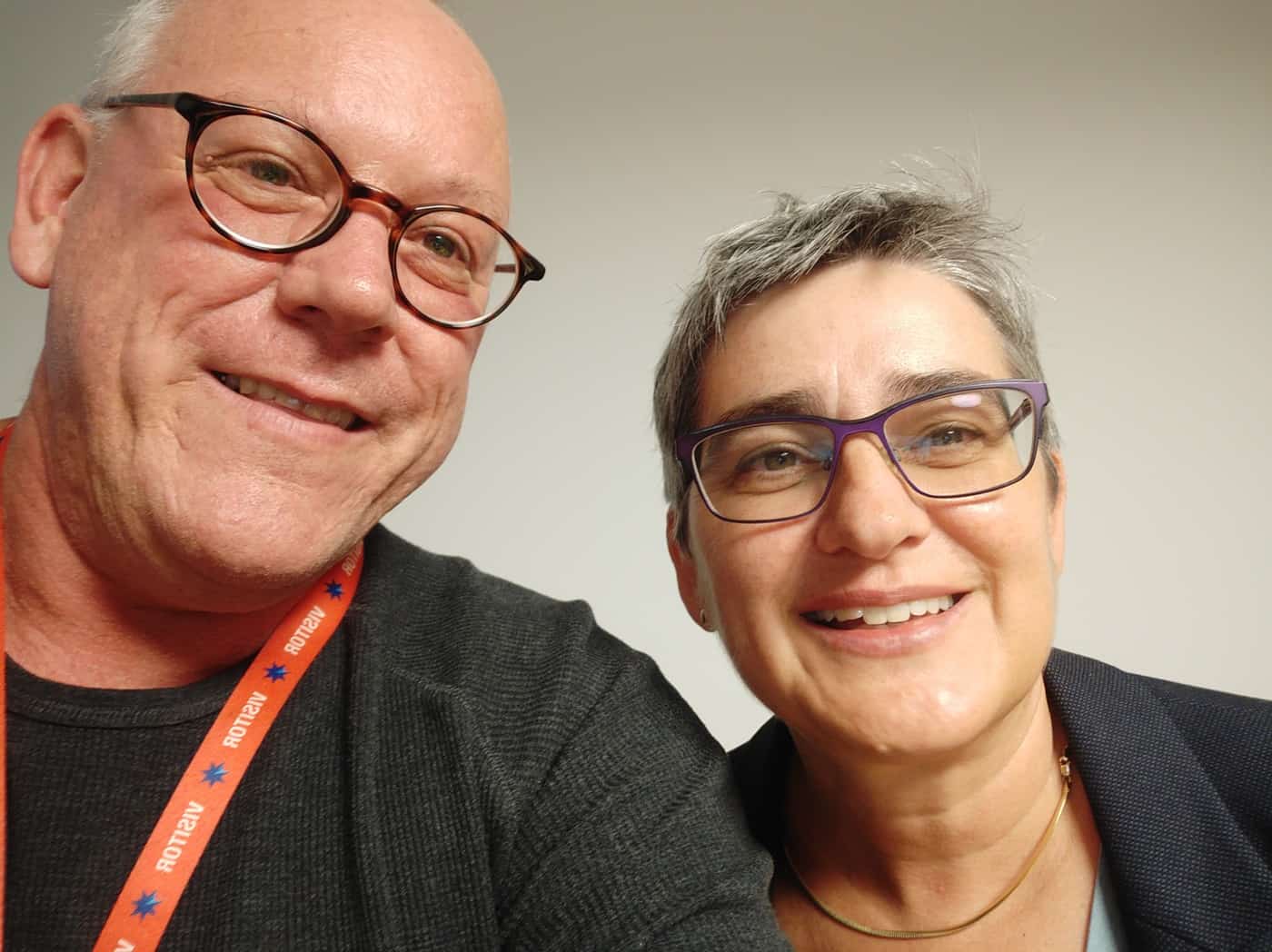
Kevin Jones with Marie Boland in March 2018

The public submission process for Australia’s Independent Review of Work Health and Safety Laws closes today.  So finish up your draft and tell the Government what is working and what is not. BUT if you cannot finish the draft, do what I did, and contribute directly to the Review using its online (Engage) portal which will remain open until the end of May 2018.

Safe Work Australia has told SafetyAtWorkBlog that the Review continues to seek: 

Subscribe to SafetyAtWorkBlog to continue reading.
Subscribe Help
Already a member? Log in here

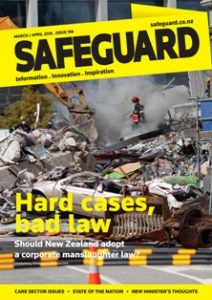
Safety satisfaction survey surfaces in Safeguard

Australia’s independent review of the work health and safety laws is handicapped by performance criteria not being included in the original harmonisation process.  This lack of forethought is not unique and many infrastructure projects, in particular, fail to include research opportunities and priorities in the design of the project.  These omissions provide more significance to surveys of occupational health and safety (OHS) perceptions such as the report that was released (not yet available online) this week by Safeguard magazine in New Zealand and will feature in the magazine’s next edition.

The survey is based on responses from over 900 people and is the third annual

Subscribe to SafetyAtWorkBlog to continue reading.
Subscribe Help
Already a member? Log in here

iWitnessed tool holds promise for workplace safety

On April 3, 2018, the University of Sydney launched a new app

”to assist victims and witnesses record information in a way that can help with convictions and prevent miscarriages of justice”.

This immediately sparked my interest in using the app as a record of workplace incidents.

iWitnessed is intended as a tool to assist a person’s memory when confronted by an incident or a traumatic event.  The app steps you through the basic evidence-gathering questions of what happened, where, when, who was injured etc.  

Subscribe to SafetyAtWorkBlog to continue reading.
Subscribe Help
Already a member? Log in here

Pfeffer cuts through on OHS

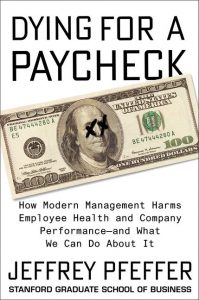
“…if we truly care about human beings and their lives, including how long people live…. we need to first understand and then alter those workplace conditions that sicken and kill people” (page 25 – “Dying For A Paycheck”)

Jeffrey Pfeffer has been doing the rounds of the Safety and Human Resources conferences for some time, talking about “dying for a paycheck”.  This year he published a book of that title, a book that should be obligatory reading for occupational health and safety (OHS) professionals and, more importantly, company executives.

This book is one of the few that I have read from cover-to-cover and wanted to do so in as short a time as possible because I wanted to understand the big interconnected picture of business management and policy setting that Pfeffer discusses.

Pfeffer presents a lot of data packaged in a fresh and fascinating form but regularly complains about the lack of data.  One of the joys in the book is being tantalised by what data he presents but then being frustrated when realising that that is the extent of the data available.   Continue reading “Pfeffer cuts through on OHS”

Concatenate Web Development
© Designed and developed by Concatenate Aust Pty Ltd