All jobs are now more dangerous

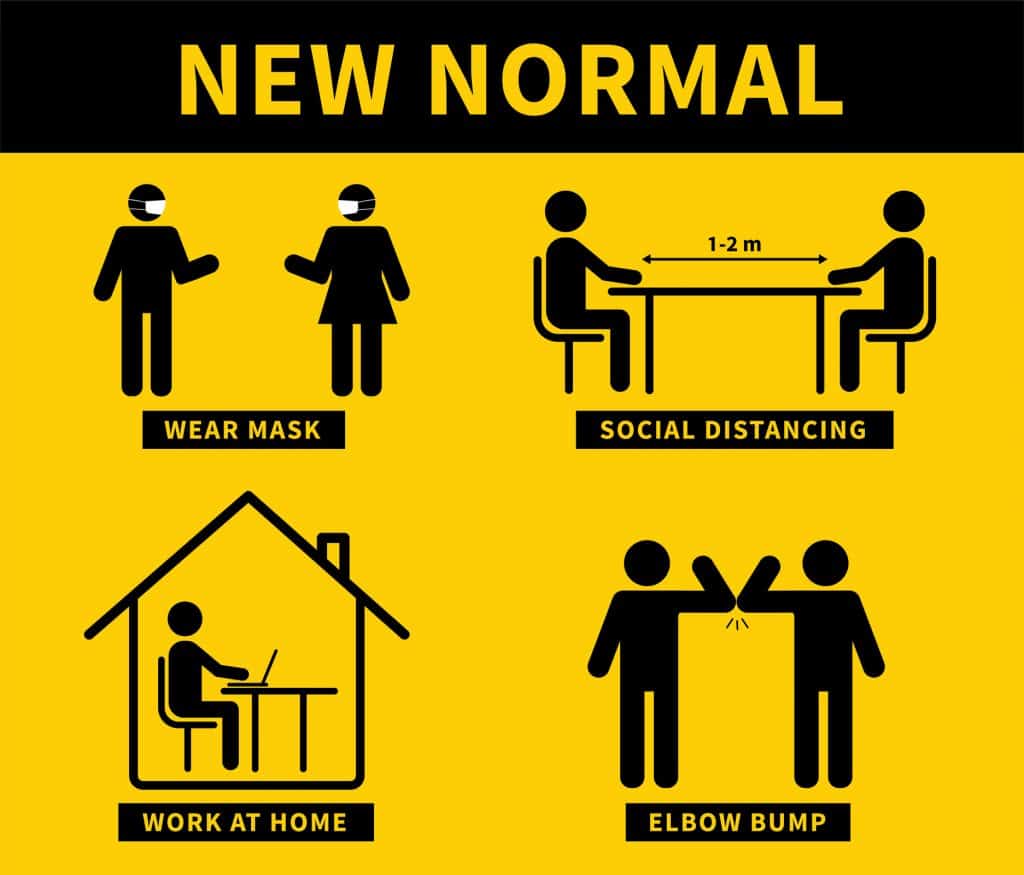
The COVID19 pandemic has shone a spotlight on the government agencies that regulate and enforce occupational health and safety (OHS) laws. These regulators are not the lead agencies in pandemic control but as some countries relax lock-down protocols and people return to work in changed work environments, the role and actions of the OHS regulators are being re-evaluated.

Sarah O’Connor, in the Financial Times, opened her 26 May 2020 article brilliantly with

” Covid-19 has upended our notion of what a dangerous job looks like”

Office were often dismissed as low-risk workplaces with many site safety walks, if they happened, reporting on torn carpet and other similar hazards. That way of assessing risk should have been replaced, or supplemented, with assessments of the psychosocial risks of stress, bullying, a harassment, excessive workloads and many more harmful practices. So, offices may have a low risk of traumatic physical injuries but a higher level of risk of psychological harm. On top of this reassessment comes an infection risk that can be spread by workers showing no symptoms. Office-based risk has increased again and made the workplace itself dangerous.

Subscribe to SafetyAtWorkBlog to continue reading.
Subscribe Help
Already a member? Log in here

Safety wins

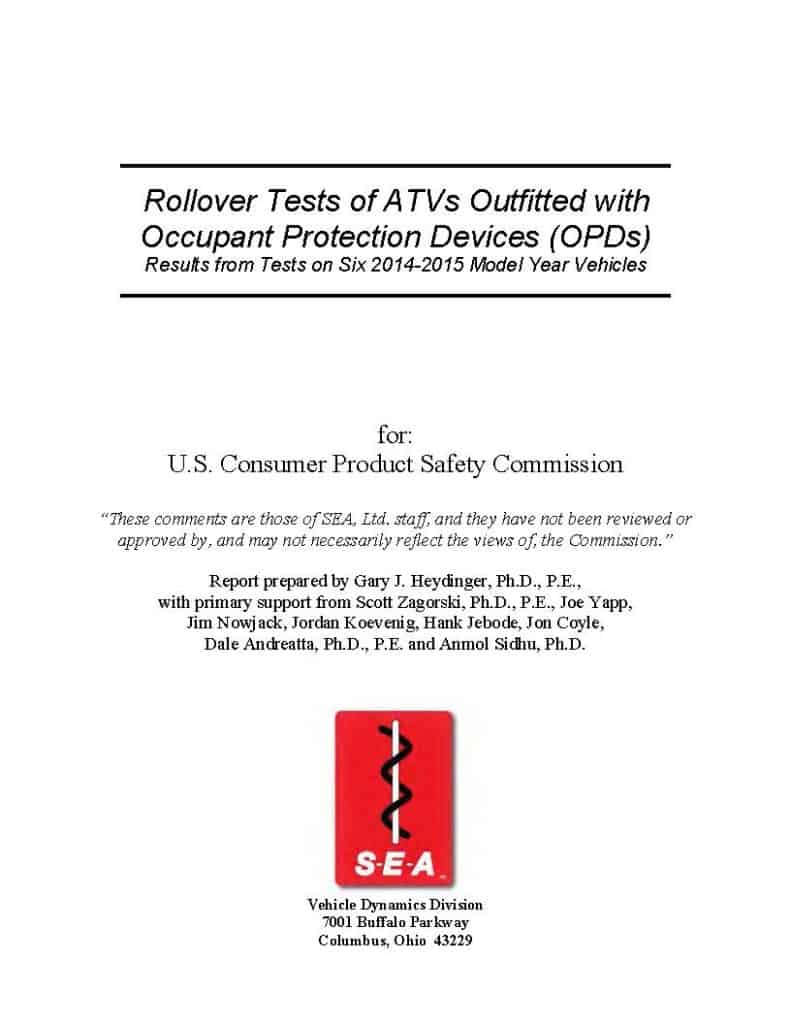
The saga of the safety of all-terrain vehicles (ATV) in Australia is coming to a close with Honda announcing that it will not be selling its ATVs in Australia after 10th October 2021. However Honda, one of the most strident opponents of increased safety standards, is belligerent to the end.

In the media announcement of its decision, Honda says that the new safety Standard is impossible to meet on any ATV. This may be true but the quad bike manufacturers refused to accept that rider safety could be improved by redesigning the quad bike, or adding additional safety devices, to reduce the risk of rolling over. Most occupational health and safety (OHS) advocates did not argue about the validity of the safety items and actions recommended by the manufacturers – helmets, dynamic riding training etc – but saw these as supplements to after-sales crush protection devices (CPDs). The manufacturers did not.

Subscribe to SafetyAtWorkBlog to continue reading.
Subscribe Help
Already a member? Log in here

Victoria’s Workplace Manslaughter laws are a misdirection

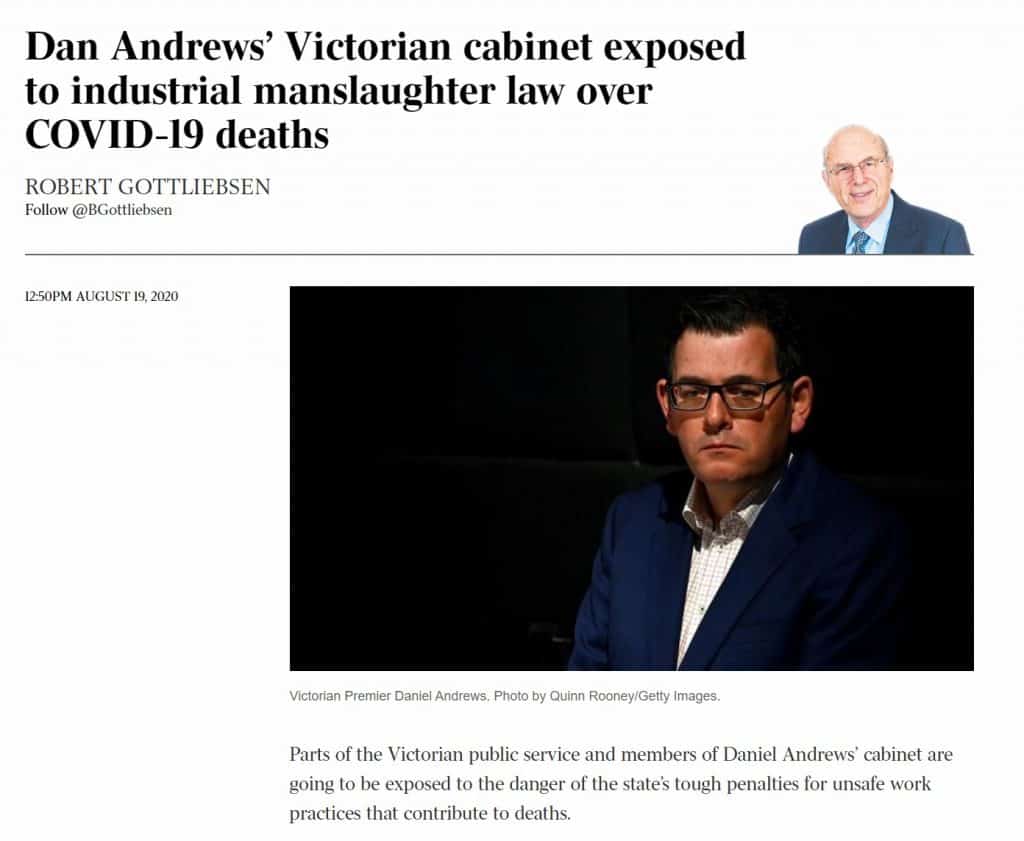
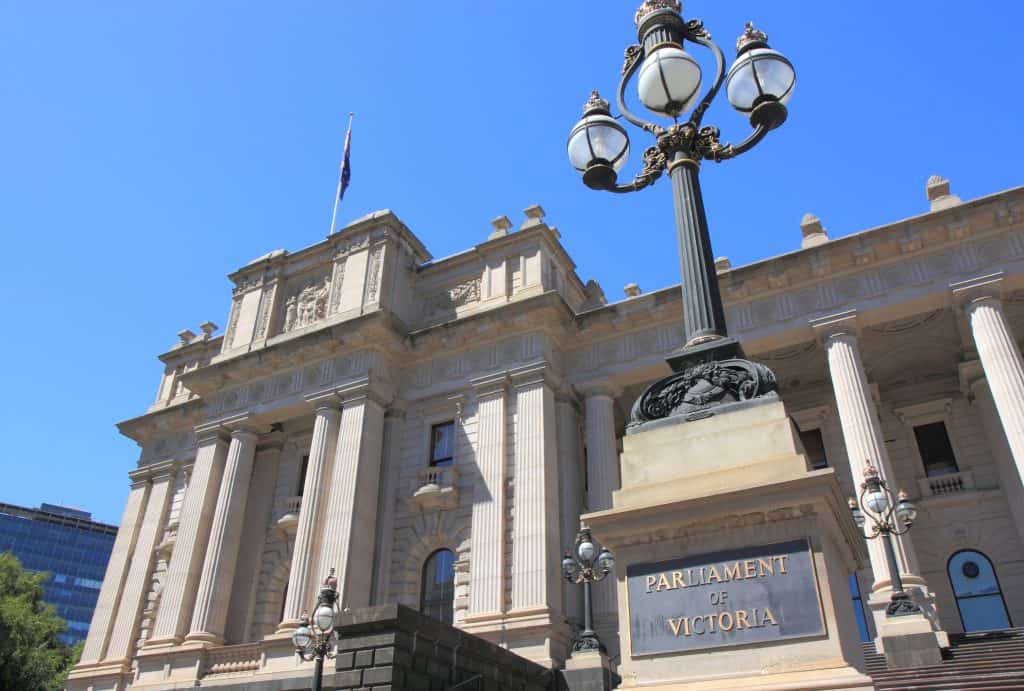
On July 1, 2020, Victoria receives the Workplace Manslaughter laws that it missed out on by a bee’s whatsit in 2002.  Premier Daniel Andrews will complete another election pledge and will be seen as a champion for Victoria’s workers.  The Workplace Manslaughter laws will provide some bereaved relatives with comfort and a belief that bad employers will be punished for neglecting their occupational health and safety (OHS) duties to provide safe and healthy work environments. Punishment is possible, but unlikely.

The first thing that Victorians need to understand is that Workplace Manslaughter laws are not about OHS, they are about politics.  It is no coincidence that both Queensland and Victoria’s Workplace Manslaughter laws emerged during election campaigns.  Both branches of the Australian Labor Party (ALP) needed to say something about workplace relations that did not involve the hotbed of industrial relations, especially when so much IR change would bring in National politics.

OHS allows people to talk about IR without the trade union politics.  OHS is not about money, it is about quality of life and who, in politics or elsewhere, will say that deaths at work are an acceptable consequence?  The ALP leaders were on a winner and were able to take some moral high ground and criticise business groups on an issue against which business leaders could not argue.

Continue reading “Victoria’s Workplace Manslaughter laws are a misdirection”

To understand Industrial Manslaughter, look at the politics

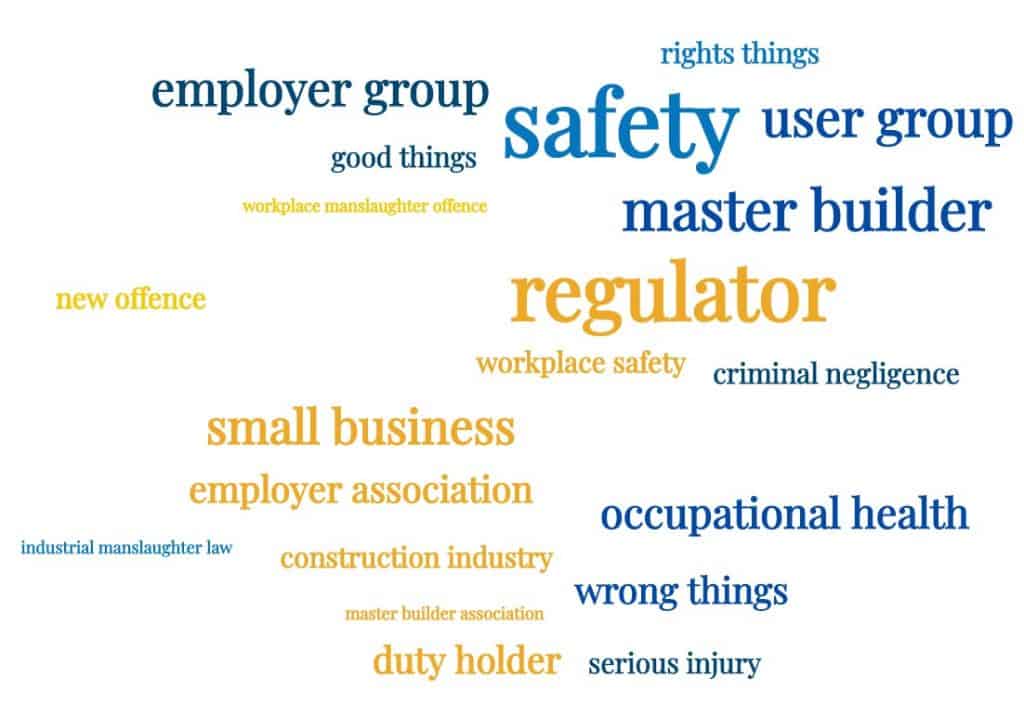
On May 20, 2020 Industrial Manslaughter became an offence applicable to Queensland’s mining and resources sector, sometime after the offence was applied to all other Queensland businesses. Industrial Manslaughter (IM) laws have always been as much about politics as they are about penalties, deterrence and occupational health and safety (OHS).

Some of the politics is shown by the responses from Queensland business groups (sounding like spoken through gritted teeth) but to really understand these laws, it is worth looking at the Second Reading of the omnibus Bill that included the IM amendments as politicians in several other Australian jurisdictions will face the same issues. It is also useful for OHS people to understand the political and legislative context of the penalties their employers may face.

Also, in the last week of May 2020, the first company to be successfully prosecuted under the IM laws will be sentenced, Brisbane Auto Recycling. The company’s two directors have pleaded guilty to reckless conduct and will also be sentenced.

Subscribe to SafetyAtWorkBlog to continue reading.
Subscribe Help
Already a member? Log in here

WorkSafe and Industrial Manslaughter webinar

On May 19, 2020, WorkSafe Victoria conducted an interactive webinar on Workplace Manslaughter laws due to be in place from July 1, 2020. The webinar was very good for those who are coming to the issue anew as the level of interaction was excellent. But the webinar also broadened beyond its topic, which was disappointing. At 90 minutes the event was too long, but revised versions of this consultation with the community should be scheduled regularly, even when physical distancing rules end.

Subscribe to SafetyAtWorkBlog to continue reading.
Subscribe Help
Already a member? Log in here

Running before you can walk on COVID19 and Mental Health

On May 15 2020, the Australian Government released a National Mental Health and Wellbeing Pandemic Response Plan. Mental Health has been on Prime Minister Morrison’s agenda since his election a year ago and the mental health sector is not going to be starved of government funds during his tenure.

Mental ill-health has been talked about throughout the current COVID19 Pandemic and has been forecast to increase due to the economic disruption and the requirements for social isolation. To some extent, the low numbers of COVID19 deaths in Australia has allowed it a “luxury” of addressing mental health, but some of the justifications seem not as strong as claimed and the National Mental Health Plan omits any consideration of occupational health and safety (OHS) other than for those in the health industry; the so-called “frontline workers”.

Subscribe to SafetyAtWorkBlog to continue reading.
Subscribe Help
Already a member? Log in here

Safety notification app

Last weekend across the road from home, two workers were on the roof of a three-storey apartment block construction installing or inspecting solar panels. No fall protection, no harnesses. I grabbed my phone to notify my local WorkSafe about this unsafe work activity. The switchboard was closed, and the phone number listed on the website was identified as only for emergencies. Was this an emergency? Not sure. By the time I worked it out, the workers were off the roof and the opportunity passed.

I now wish that my State had a notification app like that operating in New South Wales. I would have taken some photos and notified the occupational health and safety (OHS) regulator. The “Speak Up, Save Lives” app seems good, but it may also undercut the pathways to Consultation established through the OHS laws.

Subscribe to SafetyAtWorkBlog to continue reading.
Subscribe Help
Already a member? Log in here
Concatenate Web Development
© Designed and developed by Concatenate Aust Pty Ltd