

The most significant challenges for employers in Victoria’s new OHS (Psychological Health) Regulations, supported by a new Compliance Code, are likely to be fostering a strong workplace safety culture. Occupational health and safety (OHS) advocates have been emphasising the importance of culture for several decades now (Sociologists examined it decades before). It appears that we will be hearing a great deal more about culture for some time to come, but what is expected of employers?
Category: harassment
Polishing What Exists: Making Sense of the New Psych Safety Code
Prominent occupational health and safety (OHS) lawyers Dale McQualter and Catherine Dunlop have just concluded the first of two online seminars about Victoria’s new psychological/psychosocial regulations and compliance code. Many employers will have a lot of work to do to comply, but the overall sense was one of reassurance.
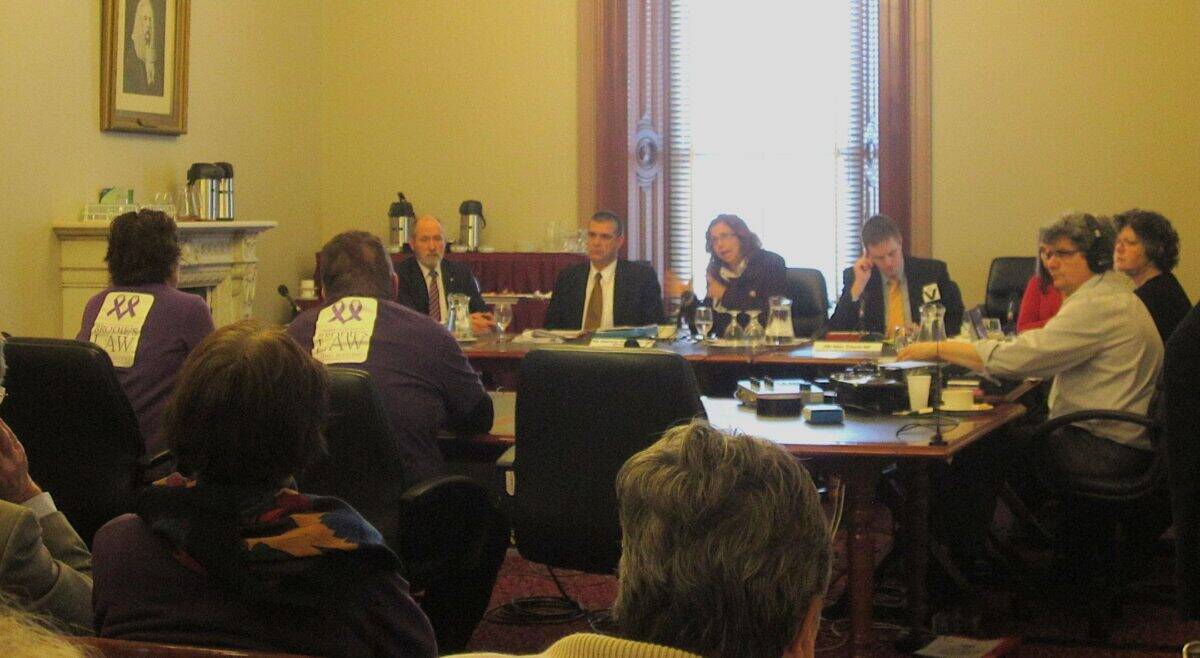
If you think psychosocial hazards are a nonsense, learn about Brodie Panlock
Next year marks the 20th anniversary of the death of Brodie Panlock. I have been thinking of her a lot over the last few months as Victorian employers (finally) start to seriously consider their legislative obligations to provide a mentally safe and healthy work environment. I wonder whether the new psychosocial safety regulations had been in place in 2005-06, Brodie Panlock would have lived.
[Note: This article discusses issues related to suicide.]

When Jurisdiction Blocks Safety Justice for Learner Drivers
Australia’s efforts to enhance the health and safety of its workers are hindered by the constitutional framework, which assigns responsibility for occupational health and safety (OHS) to local jurisdictions.
Recent comments by a Federal Minister on sexual harassment illustrate this dilemma, which is not restricted to OHS.
Assessing ‘Union’: A Missed Opportunity in Safety Storytelling
There was a row of cheering trade union supporters in the late session of the documentary “Union” at Carlton’s Cinema Nova earlier this week. The film was showing as part of a documentary festival, and the cinema was less than half-full. The film showed an example of grass-roots union organising. There were optimism and failures, and the occupational health and safety (OHS) catalysts for the unionism were mentioned in passing.
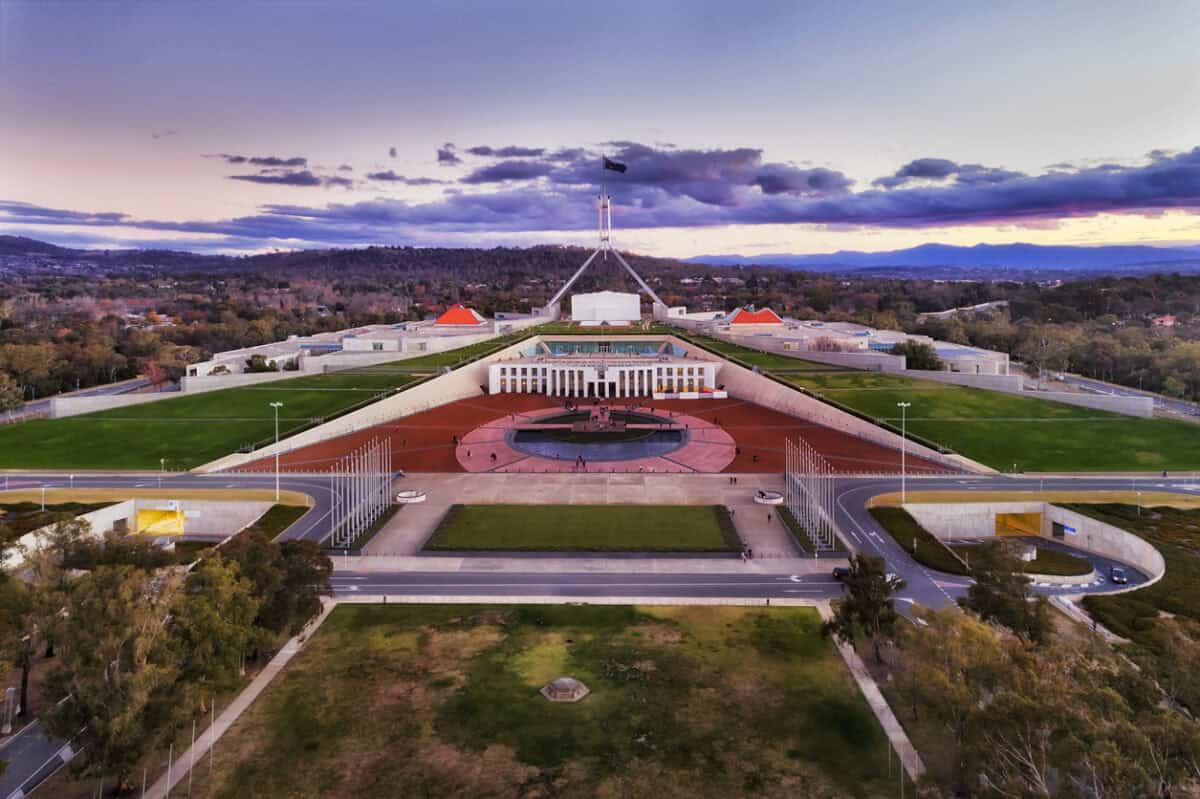
Avoiding Burnout in the Corridors of Power
Last week, some of the Nine newspapers reported on a spate of departures (paywalled) from the Australian Prime Minister’s office. There is always a constant churn of political staffers, with regular movement between private enterprise and public service.
There are some sound economic reasons for leaving just after 12 months into a new government, and the departures are not indicative of a toxic workplace, but working hours in the Australian Parliamentary and political sector have been contentious recently. This latest newspaper article notes the role of working hours but, curiously, primarily in passing.
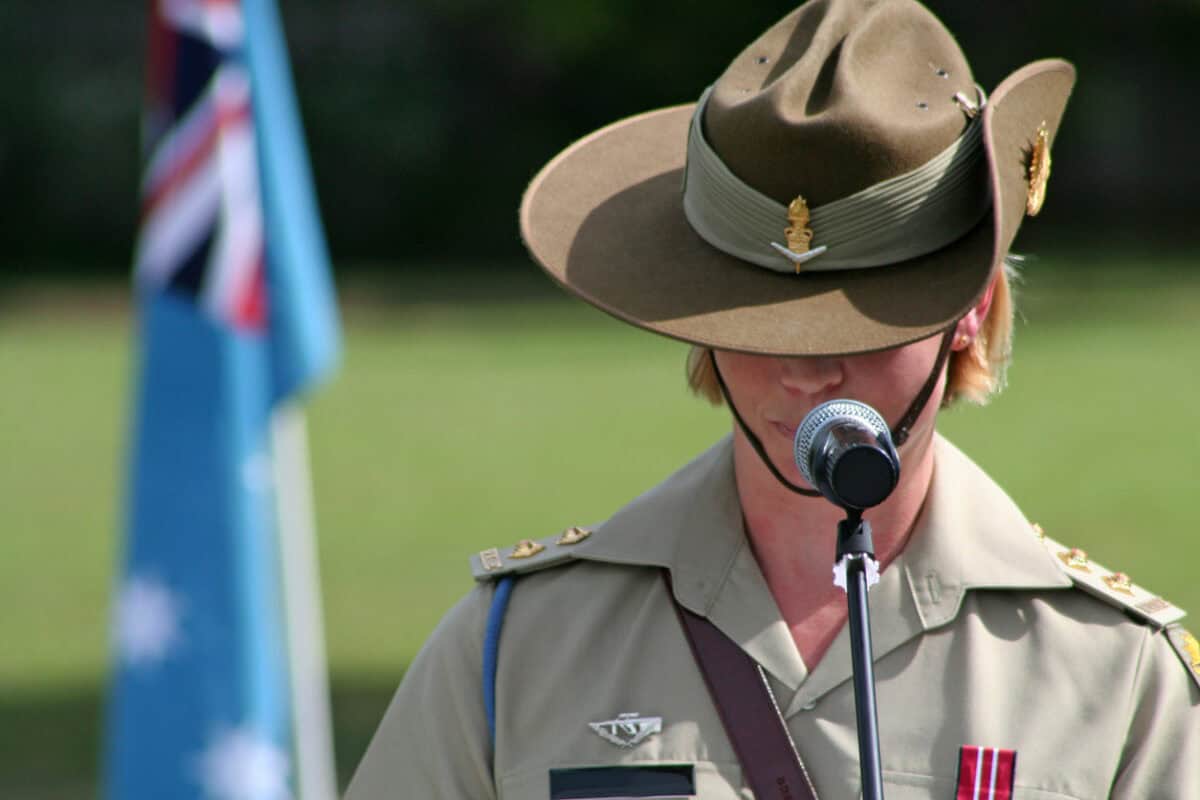
Changing the Unchangeable? – Reforming Culture in the Australian Defence Forces
Many people in Australia are asking why any woman would consider a career in the military, given the considerable risk of sexual harassment, abuse and assaults. Occupational health and safety (OHS) and risk management disciplines often draw on many of the risk assessment processes and principles from the defence forces; however, there appear to be significant and intransigent risks in that sector.
Note: This article mentions suicide