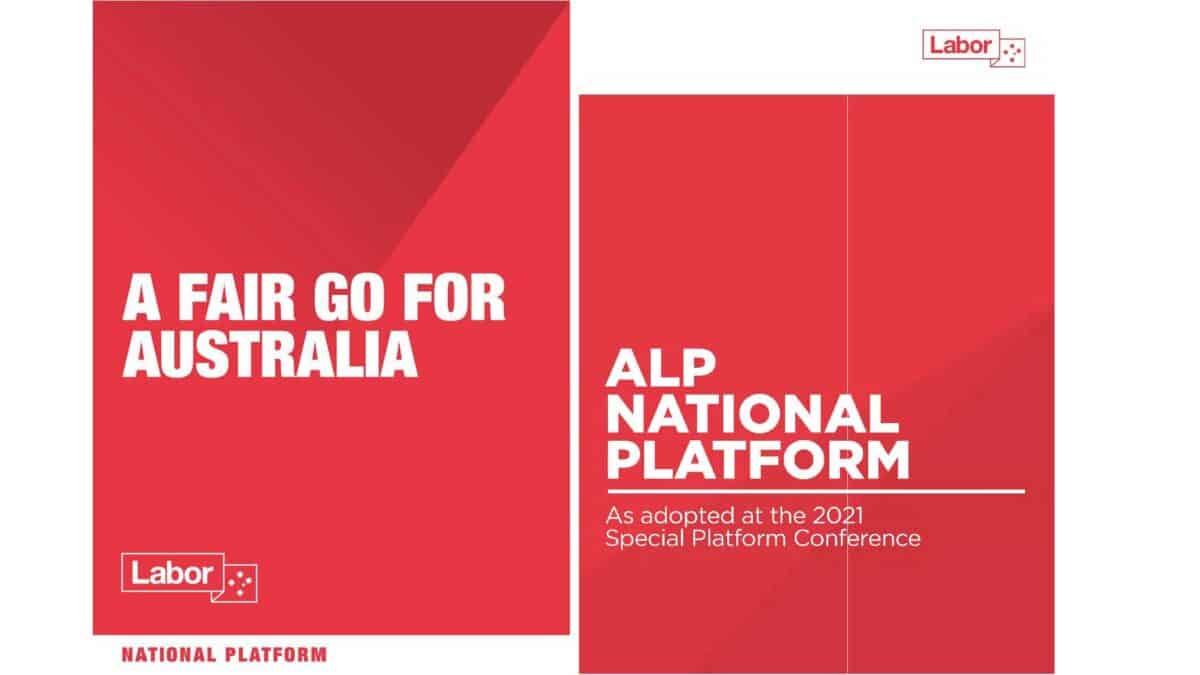
Given that the protection of worker health and safety will gain more attention and support under progressive parties and governments, the release of the 2021 National Platform for the Australian Labor Party (ALP) is notable. The 2021 document, unsurprisingly, focuses on the role of Health and Safety Representatives, appealing to its financial and political trade union base as major influencers on occupational health and safety (OHS).
This article will focus on the chapters in both the 2021 and 2018 platform documents related to safe and healthy workplaces, although there are OHS-related issues dotted throughout both documents.

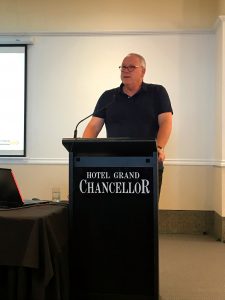 This article is part two of an edited version of a keynote presentation I made at the a special WHS Inspectors Forum organised by WorkSafe Tasmania. The audience comprised inspectors from around Australia and New Zealand. I was asked to be provocative and challenging so posed some questions to the audience about how occupational health and safety (OHS) is managed, regulated and inspected.