
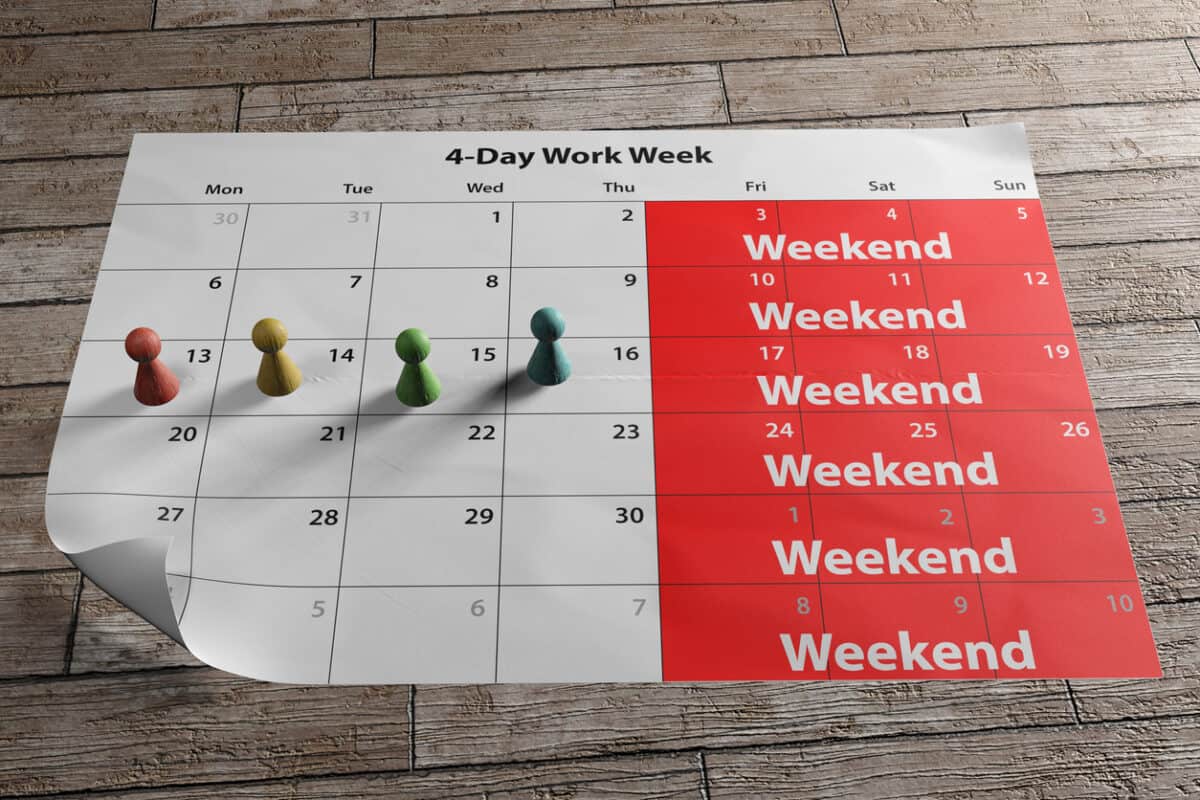
Recently, I read Sean Scalmers’ new book “A Fair Day’s Work“. Last week, Scalmer spoke at a lunchtime lecture. There were two questions that I posed in the online seminar, but neither was answered at the time. Thankfully, he responded to me directly.
Category: hours of work
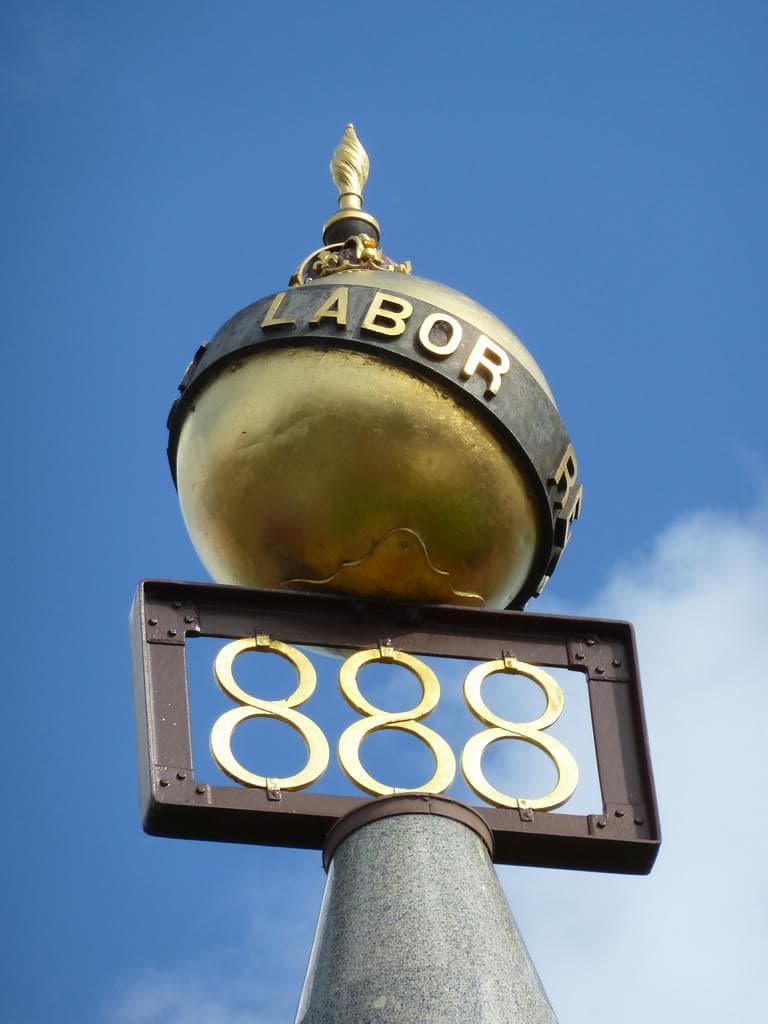
“reinvigorated in nerve and muscle” – working hours and OHS
Prominent in some of Australia’s political and economic debates are issues related to hours of work. This may be associated with the four-day work week, the five-day work week in construction, working from home, or the general debate about productivity, whatever definition you prefer, and there are many.
With the political backdrop of the government’s Economics Roundtable, a very timely new book by Sean Scalmer – “A Fair Day’s Work – The Quest to Win Back Time” was published.

Construction Safety Reform Begins When Government Commits
The Construction Industry Culture Taskforce (CICT) has released a significant report about the pilot projects for its Culture Standard for the Construction Industry. It claims some significant changes in productivity, diversity and occupational health and safety (OHS).
According to a media release by the Australian Constructors Association (ACA) accompanying the report:
Avoiding Burnout in the Corridors of Power
Last week, some of the Nine newspapers reported on a spate of departures (paywalled) from the Australian Prime Minister’s office. There is always a constant churn of political staffers, with regular movement between private enterprise and public service.
There are some sound economic reasons for leaving just after 12 months into a new government, and the departures are not indicative of a toxic workplace, but working hours in the Australian Parliamentary and political sector have been contentious recently. This latest newspaper article notes the role of working hours but, curiously, primarily in passing.
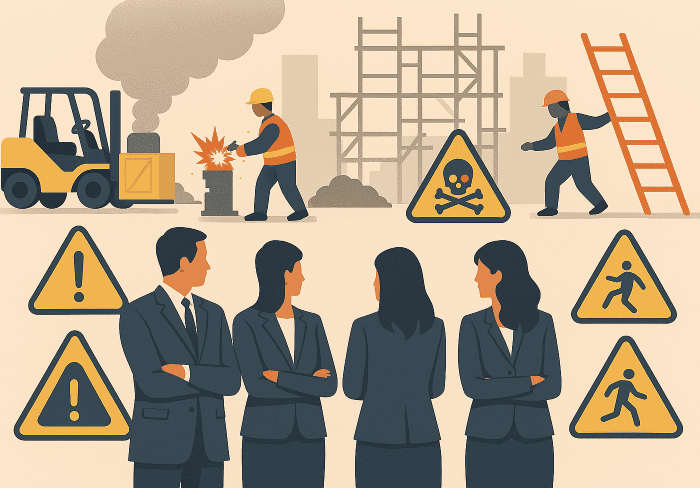
Employer Responsibility in Workplace Safety is Being Overlooked
In the ongoing debates about workplace safety, a critical question is often left unasked: What are employers doing to ensure safe and healthy work environments, and why are their responsibilities so frequently underplayed in public discourse? Too often, when workplace safety issues arise, the conversation quickly shifts to affordability and government intervention.
Continue reading “Employer Responsibility in Workplace Safety is Being Overlooked”
Burnout Lessons CEOs Still Haven’t Learned
Business newspapers and websites often report on executives revealing their own burnout and how they have changed their lives as a result. The changes they make indicate their decisions that led to their mental health crises and epiphanies. But executives lead by example, so how many of the employees are emulating the executives’ mistakes? Shouldn’t the executives redesign their companies’ systems of work to prevent anyone else from suffering from burnout?

Endorsing Exploitation? The Legal and Moral Blindspot in the Long-Hours Hustle
Recently, the Wall Street Journal (WSJ) published an extraordinary article that seems to endorse the exploitation of the mental health of workers. (Although the article is paywalled, it is getting a run in some local Australian newspapers) The article reports that companies like Shopify, Solace Health, and Rilla are bluntly marketing roles that involve extreme hours, a relentless pace, and minimal downtime.
One job post literally reads: “Please don’t join unless you’re eager to work 70 hours a week.”
If the job ads for these prominent North American companies were posted in Australia, the unsafe working conditions would likely be deemed illegal.