
Queensland’s Industrial Manslaughter push moves to Parliament this week

Queensland’s Minister for Employment and Industrial Relations, Grace Grace is continuing to apply political pressure on the opposition (conservative) party over the issue of industrial manslaughter laws, prior to their debate in State Parliament this week.

In a media statement released on October 6 2017, Grace states that

“We owe it to the victims and their loved ones to ensure Queensland has strong industrial manslaughter laws to protect people on the job.”

This is an appealing statement during Australia’s National Safe Work Month but the relationship between industrial manslaughter laws and safer workers is not as clear and direct as the political statements suggest. Continue reading “Queensland’s Industrial Manslaughter push moves to Parliament this week”

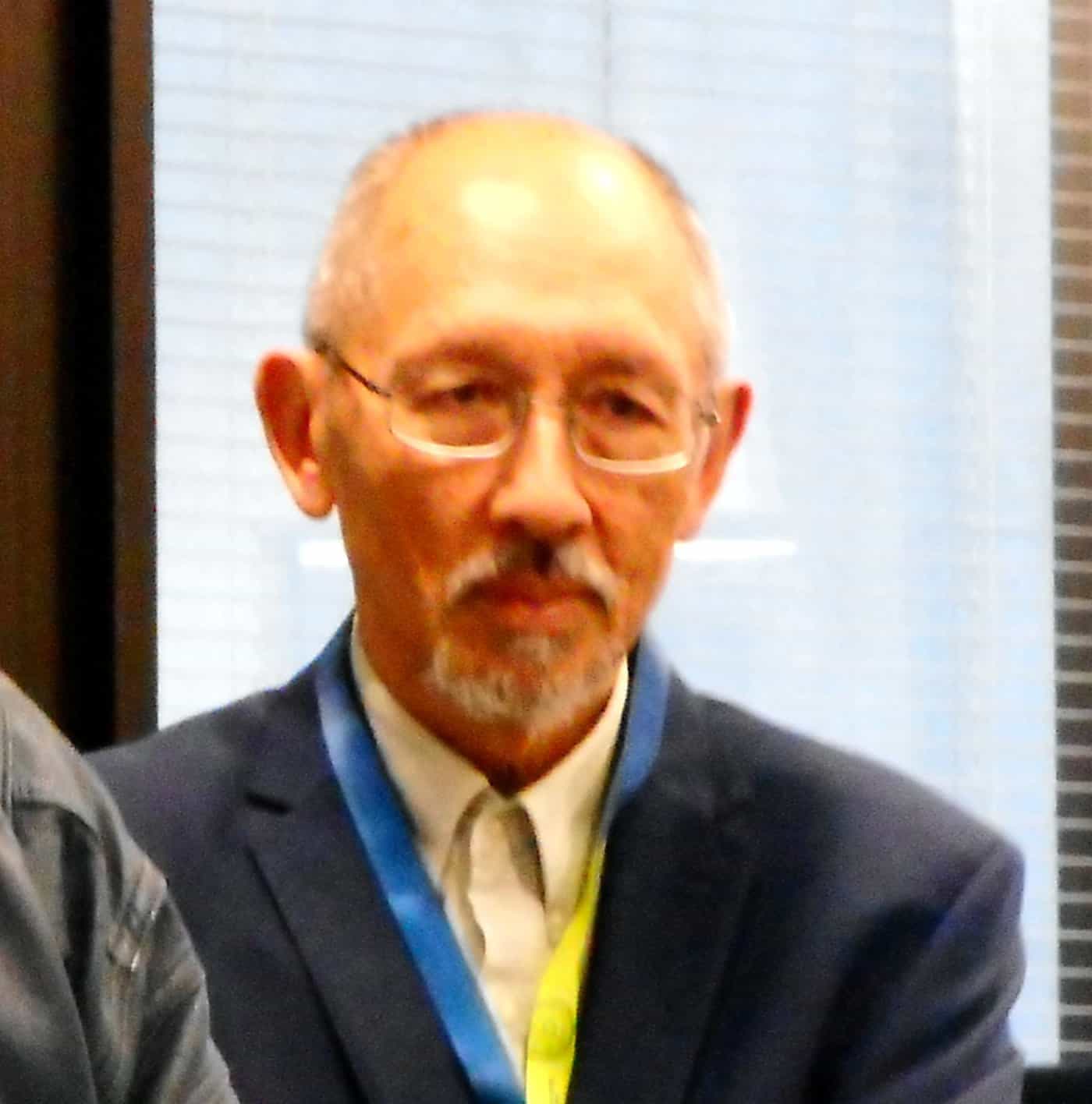
Near Kill – Jim Ward speaks

Jim Ward is hardly known outside the Australian trade union movement but many people over the age of thirty, or in the occupational health and safety (OHS) profession, may remember the person Esso blamed for the Esso Longford explosion in 1998.  Just after the nineteenth anniversary of the incident that killed two workers and injured eight other, SafetyAtWorkBlog interviewed Ward about the incident but, more significantly, also about how that incident changed his world view.

For some time now Jim Ward has been the National OHS Director for the Australian Workers’ Union.  Here is a long interview with Ward that provides a useful perspective on OHS while Australia conducts its National Safe Work Month.

[Note: any links in the text have been applied by SafetyAtWorkBlog]

SAWB: Jim, what happened at Longford, and what did it mean for you.

JW:   So, on 25 September 1998, I got up out of bed and went to work, just as I’d done for the previous 18 years of my working life, at the Esso gas plant facility at Longford in Victoria.

There was nothing unforeseen or untoward about that particular day.  But due to, as one judge elegantly described it, “a confluence of events”, it turned out to be the most significant day of my life.

Subscribe to SafetyAtWorkBlog to continue reading.
Subscribe Help
Already a member? Log in here

Measure the old, plan for the new

“What gets measured, gets done” is a common phrase in corporate-speak but needs to be treated with caution in terms of occupational health and safety (OHS).

In The Australian newspaper of October 5 2017 (paywalled) an article about remuneration and innovation includes a brief but telling discussion of the perception of OHS.

Sylvia Falzon is a director of the companies Perpetual and Regis Healthcare.  The article states that Falzon is a

“great believer that ‘what gets measured gets done”.

However, this belief has important limitations. 

Subscribe to SafetyAtWorkBlog to continue reading.
Subscribe Help
Already a member? Log in here

Hollnagel, Safety II and Captain Hindsight

The ideal outcome of attending a safety conference or seminar is to hear something new, some innovation that inspires, or gain a hint for a potential opportunity.  In occupational health and safety (OHS) this rarely happens.  So the most common outcome is clarification or reinforcement.  This was my experience at a Professor Erik Hollnagel seminar in Melbourne on October 3, 2017.

Hollnagel’s Safety II concept has been round for several years now and has had considerable influence on the thinking of OHS professionals, if no one else.  Safety II has generated several commercial and academic offshoots that provide hope for a more realistic and practical application of safety principles.

Subscribe to SafetyAtWorkBlog to continue reading.
Subscribe Help
Already a member? Log in here

Workplace mental health and wellbeing strategies must consider suicide

There is an increased blurring between the workplace, work and mental health.  In the past, work and life were often split implying that one had little to do with the other except for a salary in return for effort and wellness in preparation for productiveness.  This split was always shaky but was convenient for lots of reasons, one of which was the management of occupational health and safety (OHS).  However that perceptual split is over, now that mental health has come to the fore in many OHS considerations.
Recently

Subscribe to SafetyAtWorkBlog to continue reading.
Subscribe Help
Already a member? Log in here

Passing the OHS baton

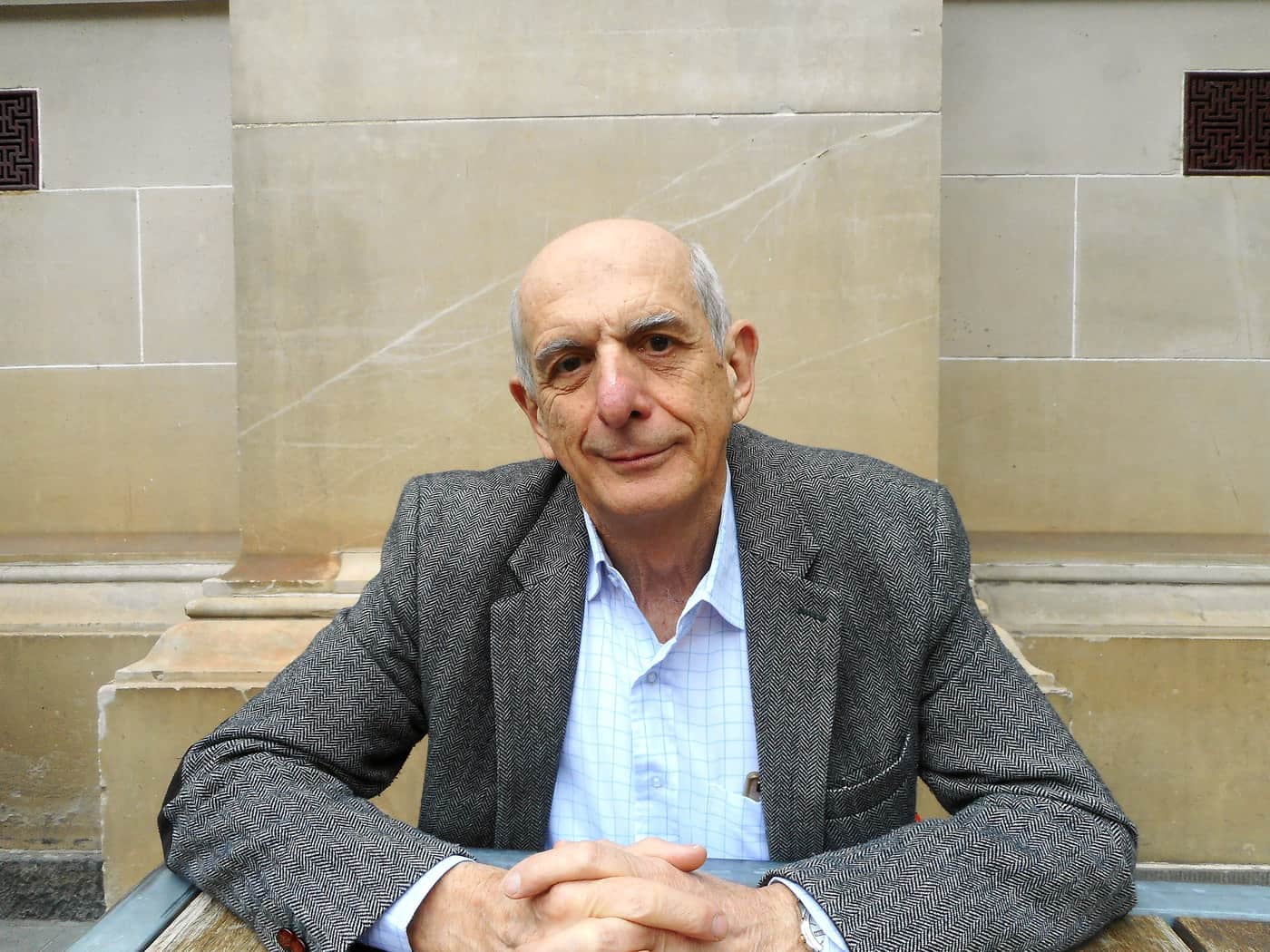
Leo Ruschena has been a fixture in the occupational health and safety (OHS) scene in Victoria Australia for many years.  In a short while he retires from his work as an OHS Lecturer with RMIT University.  Retirement often means that knowledge and wisdom becomes less accessible to the public so SafetyAtWorkBlog spent some time with him recently and asked him to reflect.

Ruschena began his career as a chemical engineer with an economics degree working for nine years at Mount Isa Mines. In the mid -1970s he received a scholarship to study occupational hygiene in London UK, achieving his Masters.  At that time OHS was an emerging area of study, legislation and political discourse.  As Ruschena sees it:

Subscribe to SafetyAtWorkBlog to continue reading.
Subscribe Help
Already a member? Log in here

The clash between money and lives

A media release from Australia’s Minister for Employment, Michaela Cash, starts the theme of management of workers compensation on the cusp of National Safe Work Month.  The purpose of the media release is ostensibly to celebrate that Comcare has become a fully funded scheme for the first time since 2010 but this is undermined by party politics:

“These results are another clear example of the Turnbull Government cleaning up after Labor’s slack financial management, while still delivering the most efficient and effective service for injured and ill employees.

Under Labor, Comcare had become a budget black hole into which taxpayer’s money simply disappeared.”

Continue reading “The clash between money and lives”

Concatenate Web Development
© Designed and developed by Concatenate Aust Pty Ltd