

Niru Tyagi recently wrote on LinkedIn about Denmark’s regulatory approach to work-related psychosocial hazards, comparing it the current Australian approach, framing Denmark as creating an industrial obligation. It is a perceptive comparison but downplays the significance in Australia of the criterion of reasonably practicable.
Category: psychosocial

Are emotion and anger also types of energy?
One of my previous employers was highly committed to occupational health and safety (OHS), but always gave the program, the schedule or utilisation a higher priority. Whether that was a justifiable compliance level was of little concern, as long as the auditors recertified the OHS management systems. The company realised their approach to OHS was not working, so it turned its focus on “critical risks”, which were, bluntly, anything that would kill you. But such was the strength of the culture that even this focus on critical risks failed to cut through and give OHS the respect that it legislatively deserves.
Matthew Hallowell‘s latest book, “Energy-Based Safety – A Scientific Approach to Preventing Serious Injuries and Fatalities (SIFs)“, discusses this focus on critical risks.
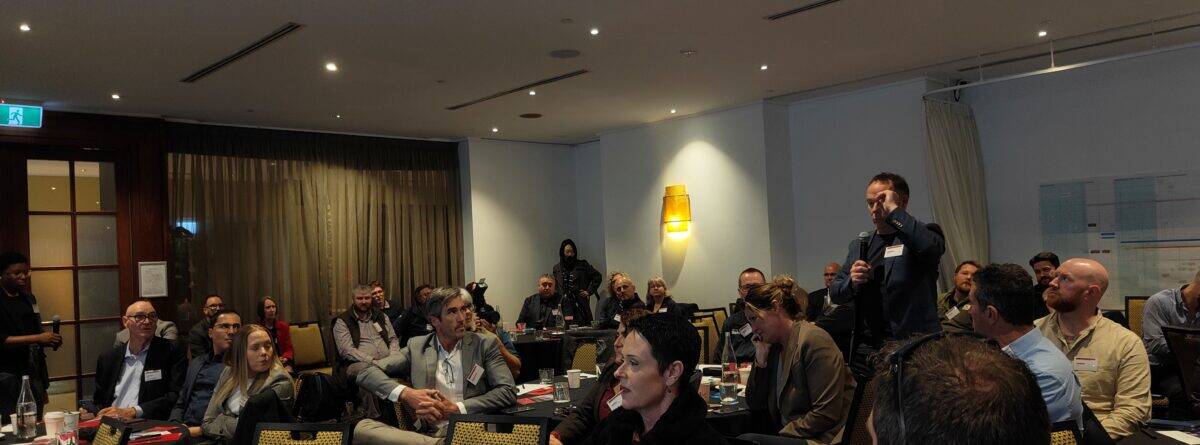
From Clutter to Clarity and Evidence at RMIT’s SHINe Symposium
Just over a week ago, RMIT University’s research funding program, SHINe, conducted its inaugural symposium. This symposium was both new and fascinating. It was overbooked with a considerable weight list, I think, because of the international safety research guests, but the fact that an event in Safe Work Month was free might have helped. The research by the Construction Safety Research Alliance (CSRA) for the United States was a highlight.
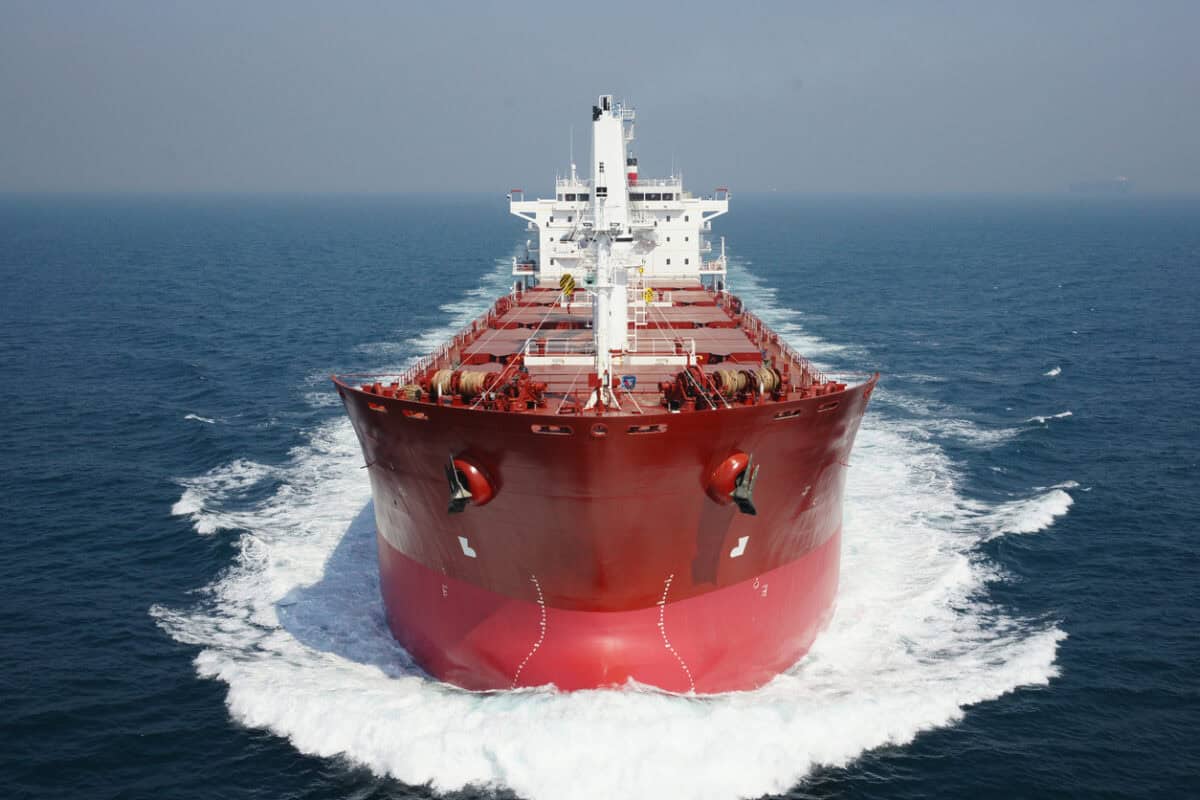
Turning the Mental Health Ship in Construction
Mental health in the construction industry is a perennial occupational health and safety (OHS) concern – high levels of suicide, suicide ideation, depression, anxiety, etc, – the usual suspects. Research into this has been robust in Australia, with the work of Professor Helen Lingard and the Construction Industry Culture Taskforce, among others. Recently, I heard about the Wellness in Infrastructure organisation for the first time.

Pop Psychology Isn’t a Safety Strategy
Last week, I attended a webinar on psychological safety that confirmed all of my worst fears about the Human Resources approach to addressing psychosocial factors and mental health at work.
When Safe Work Month Shrinks and Psychosocial Hazards Expand
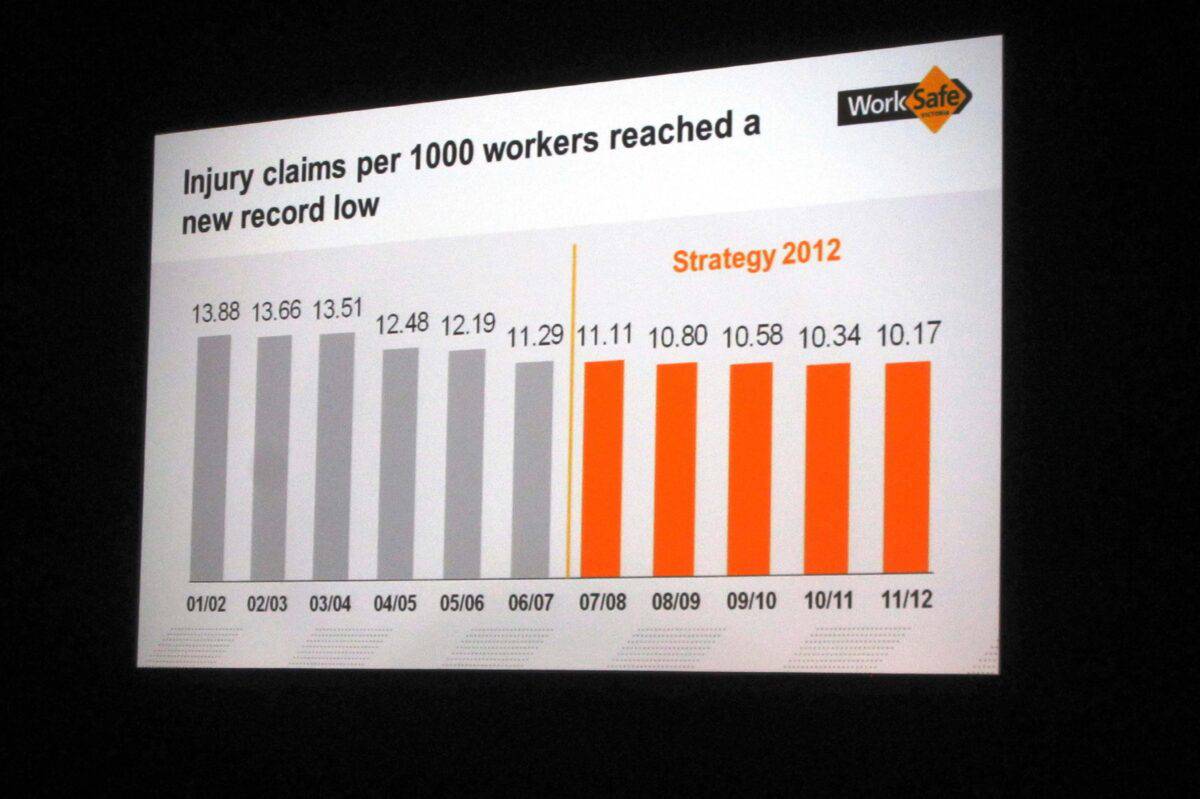
WorkSafe Victoria used to launch National Safe Work Month (or Safe Work Week as it started out) in a big way in Melbourne. They tried something similar when it relocated to Geelong, but this year, there was nothing of the same magnitude. There was some strong publicity benefit from having a big half- to full-day event at the start, but apparently, there was no additional benefit beyond that.
I would argue that the big event for this year’s safety month is the “Psychological Health Regulations: A focus on risk management” webinar on October 27, 2025. The new regulations and Compliance Code are what everyone seems to be talking about. For contrast, I have reviewed some of the presentations from the opening of WorkSafe Week in October 2012 by WorkSafe and VECCI.
OHS and Politics
In support of Australia’s Safe Work Month, I have recorded a 12-minute opinion piece on how Australian politics since 2010 has affected the perception and development of occupational health and safety, based on past SafetyAtWorkBlog articles.
It is an interesting opportunity to reflect on the decisions and actions of influential individuals like Julia Gillard, Kristina Keneally, Jeff Lawrence, and David Gregory.