
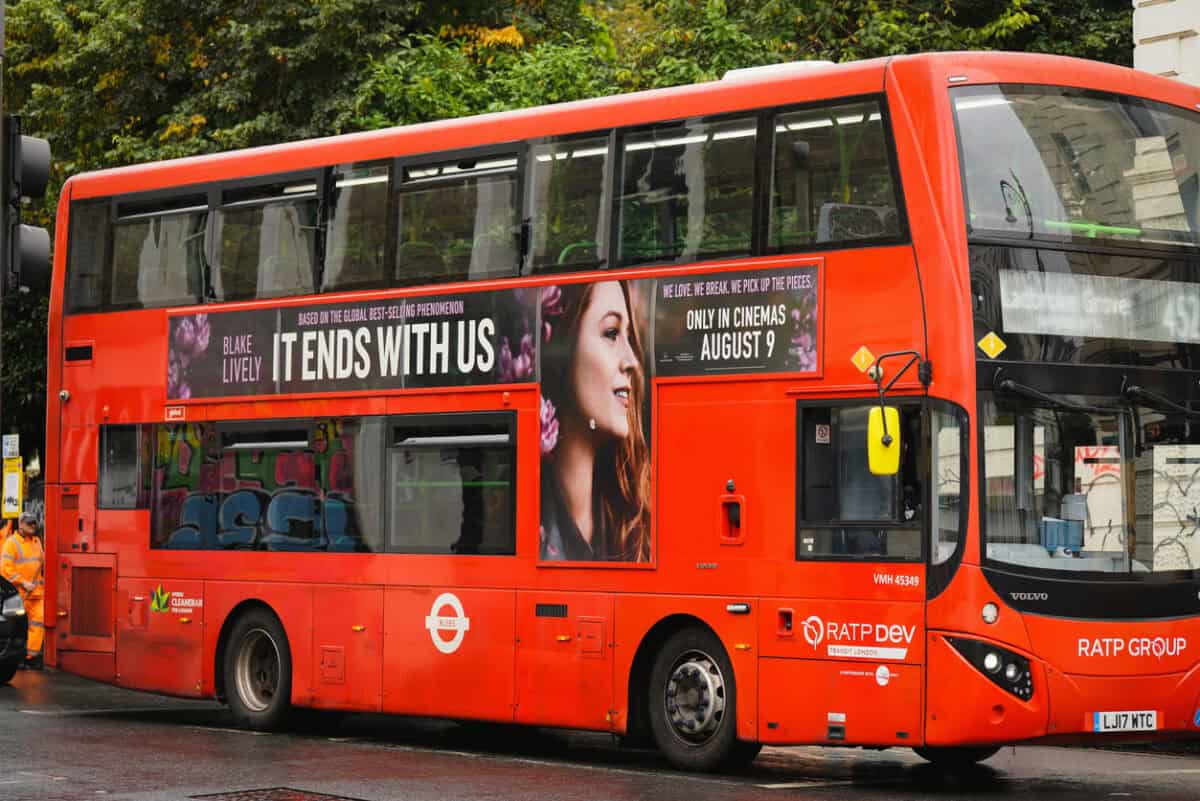
Over the last few weeks, the media has been reporting on legal action taken by Blake Lively over accusations of sexual harassment on the film set of her movie “It Ends With Us”. The focus has been on the allegations of post-incident public relations manipulation, but this is obscuring the primary cause of the legal action – sexual harassment.
Category: psychosocial
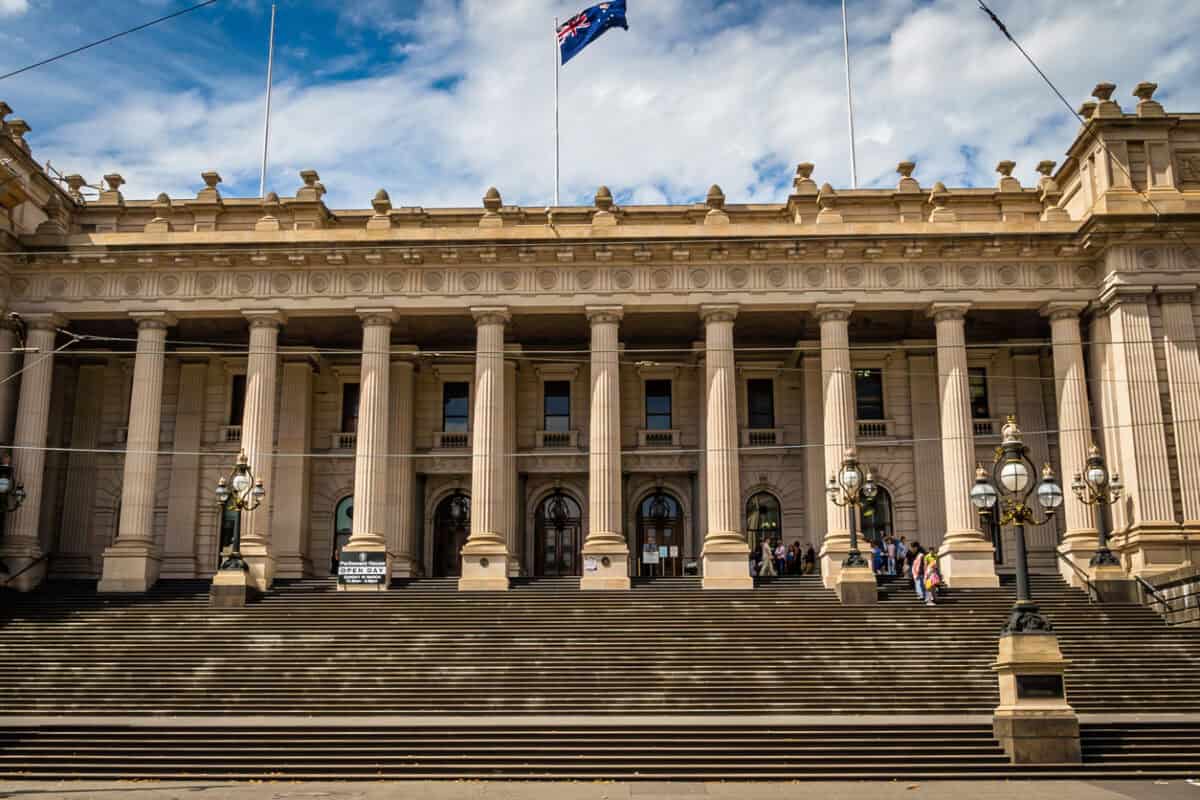
What should Victoria’s new WorkSafe Minister do now?
The Victoria Premier, Jacinta Allan, reshuffled her Cabinet and recently allocated responsibility for the Workcover and Transport Accident Commission portfolios to Deputy Premier Ben Carroll. This may be the first time a politician of that position has been given these portfolios. But what should Ben Carroll do now?
Continue reading “What should Victoria’s new WorkSafe Minister do now?”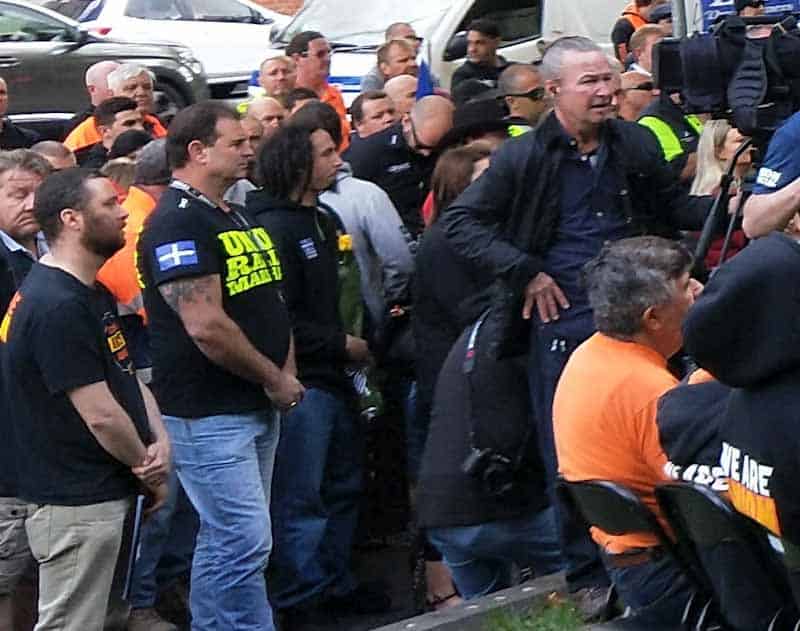
Curious workers’ compensation claim
Recently, it was revealed that a senior leader of the Construction Forestry Mining and Energy Union (CFMEU), John Setka, has lodged a workers’ compensation claim alleging post-traumatic stress disorder related to his work. Setka (pictured above second from the left) is a controversial trade union and political figure, especially in Victoria, and anyone can lodge a worker’s compensation claim. However, the media reporting identifies some curious factors to this claim.
Latest OHS News from Maddocks
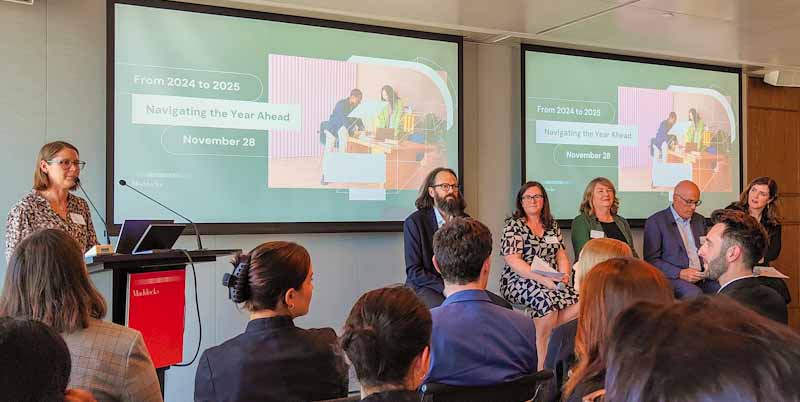
Last week, Maddocks law firm conducted an end-of-year summary of its workplace relations issues and a forecast for 2025. Occupational health and safety (OHS) are almost inseparable from industrial relations (IR), so the overlaps between the four or five topics discussed were enlightening and provided a good contrast to the information from other law sources.

Our understanding of suicides is improving…..finally
[The following article discusses suicide]
In November 2024, Victorian Coroner John Cain said:
“”While our early research suggests that Victoria’s suicide rate has not increased overall, it is troubling that we continue to see no sustained reduction in lives lost.”
Cain has instigated a research program with the Melbourne School of Population and Global Health at the University of Melbourne to provide a better understanding of suicide trends and rates. An understanding supported and queried by an article (paywalled) in The Weekend Australia written by journalist Stephen Corby.
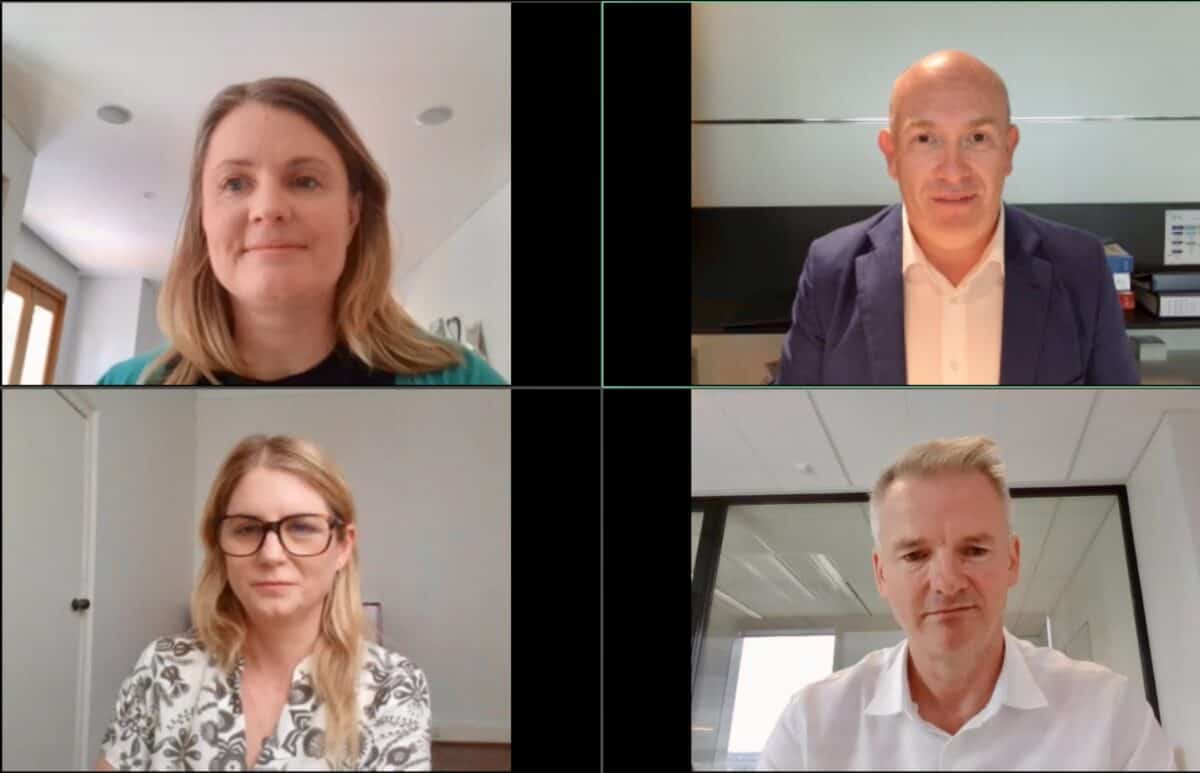
Latest OHS News from Herbert Smith Freehills
One of the most important sources of information about occupational health and safety (OHS) is seminars organised by law firms. A great example was a webinar hosted by Herbert Smith Freehills on October 30, 2024, as part of its Safety Leadership Series. It was a general discussion on Australia’s most prominent OHS issues but outlined increasingly significant consequences.
How bad must it have been?
The corporate cultures of Australia’s mining industry have been under substantial scrutiny for over a decade. Sexual harassment, bullying, work-related suicides and more psychosocial hazards have been identified with strategies introduced to address the cultures that contribute to these occupational harms.
On 20 November 2024, Rio Tinto released a progress survey on its cultural change initiatives, which the Australian Financial Review (AFR) described as showing a “backlash” to these reforms. This survey is a significant document for those on similar journeys and for occupational health and safety (OHS) advocates.