
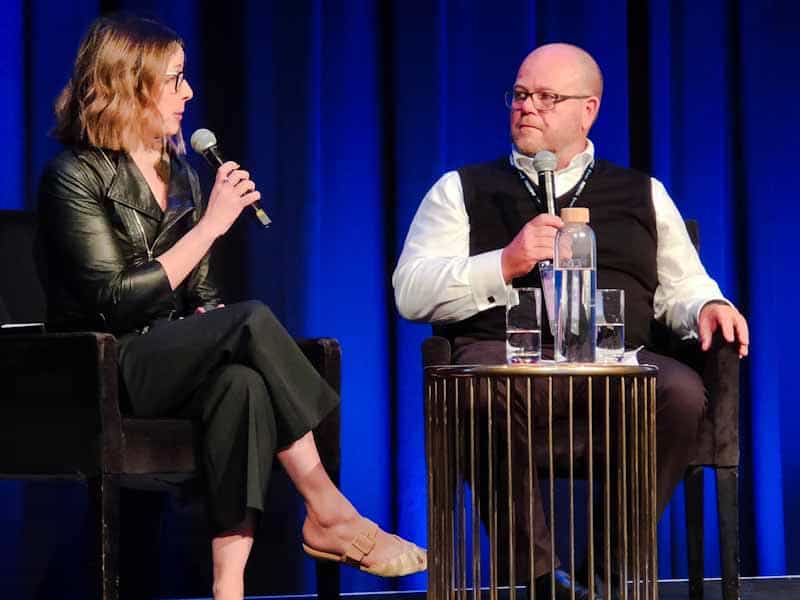
Delegates at the recent Psych Health and Safety Conference were desperate for case studies on how psychosocial hazards are being prevented in Australian workplaces. Instead, they were largely presented with examples of how to manage psychosocial hazards, and many of those strategies were unsurprising – policies, training, counselling, leadership buy-in – and were familiar to those who have been applying well-being programs in their workplaces for years. Several speakers called these strategies bullshit. The most vocal of these speakers was David Burroughs, who was at the conference in a personal capacity.
Category: psychosocial
Psychosocial incidents to be notifiable in Australia
The CEO of Safe Work Australia, Marie Boland, told delegates of the Psych Health and Safety Conference in Sydney on June 19 2024 that psychosocial injuries are likely to be notifiable to occupational health and safety (OHS) regulators, including instances of work-related suicide.
Initial report on Psych Health and Safety Conference
Half way through Day 1 of the Psych Health and Safety Conference and it often feels like we are sitting at a dinner party of organisational psychologists, listening in to a conversation of respectful work colleagues. Some conversations are honest, some are uncomfortable and some are reassuring, but all are interesting.
Questionable deterrence value in Industrial Manslaughter penalties
New South Wales is the latest Australian jurisdiction to introduce a penalty for Industrial Manslaughter (IM) in its occupational health and safety (OHS) laws. One of the primary aims of significant penalties like IM is to deter others from making similar negligent decisions related to workplace health and safety. But deterrence is a fickle beast.
The psychosocial message may be getting through
Recent Australian insurer Allianz released survey data that revealed:
“….half of surveyed Australian employees claim they feel fatigued and burnt out”.
This report generated a recent article (paywalled) in the Australian Financial Review (AFR), which included some important comments from Dr Rebecca Michalak. Her comments are an important introduction to a week that includes SafetyAtWorkBlog’s exclusive reporting on The Psych Health & Safety Conference.

A mental health book for leaders and HR professionals
Australian lawyer Fay Calderone has published a book called “Broken to Safe – Tackling Toxic Workplace Cultures and Burnout”. The intended readership seems to be “leaders” and Human Resource (HR) professionals. Occupational health and safety (OHS) is mentioned occasionally, but OHS professionals will find much to frustrate them about this self-published book.
Is Victoria still committed to its psychosocial regulations?
Victoria’s Minister for WorkSafe, Danny Pearson, has emerged from the occupational health and safety (OHS) wilderness to restate his commitment to introducing legislative amendments on psychosocial hazards at work. He has been stalling on these for a very long time, but he has recently provided an update to Parliament.