“Some of you may die, but it’s a sacrifice I am willing to make”

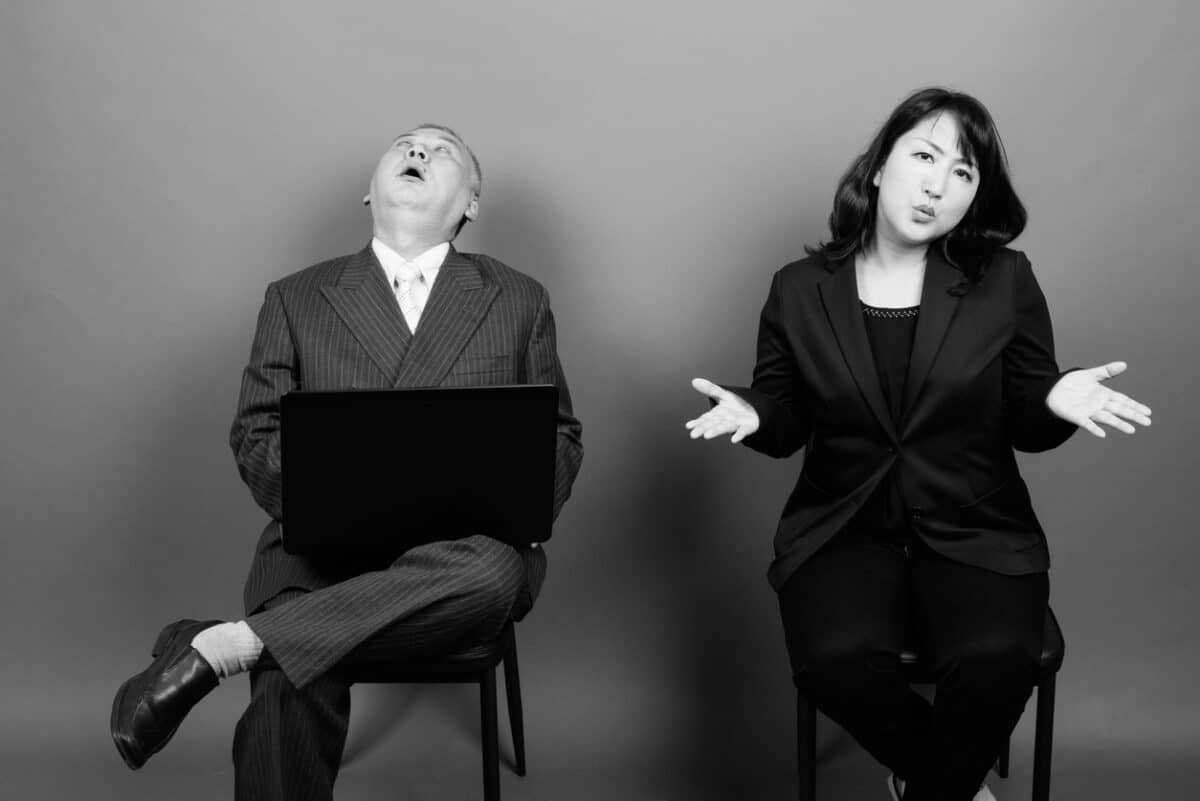
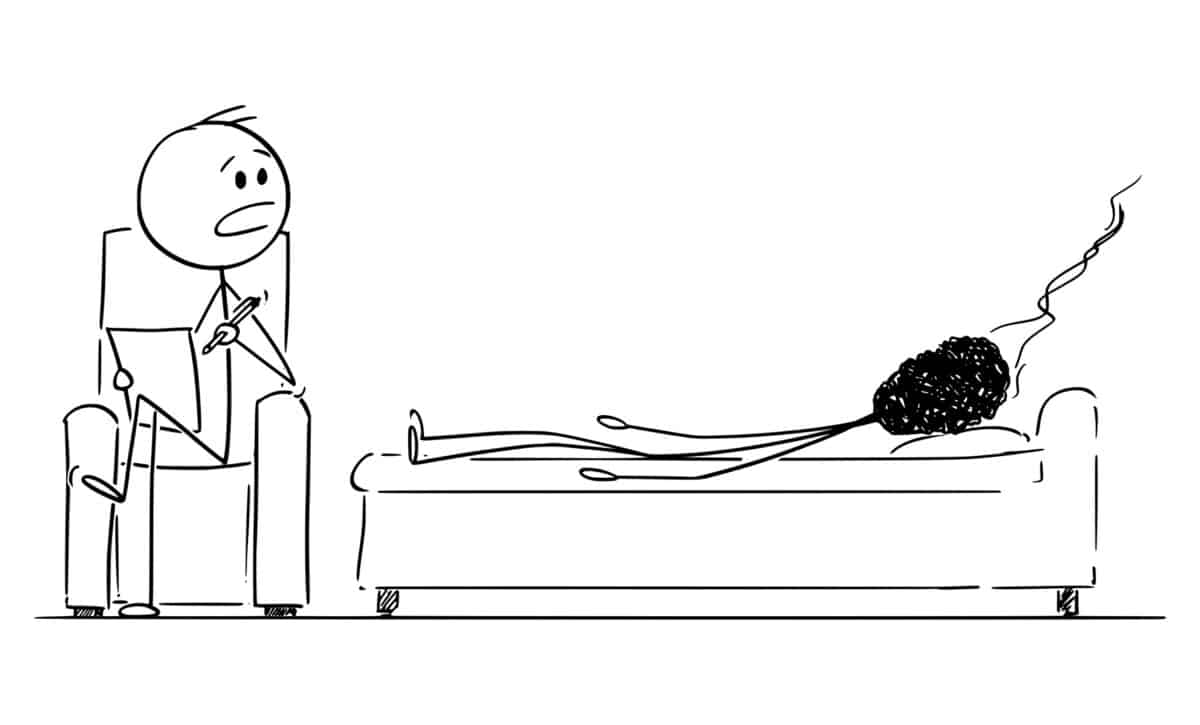
Recently at the Central Safety Group, I offered two business options to prevent and manage the risks of mental injury at work – Employ more people or Descope company expectations. This was glib, but I was trying to simplify the decisions that employers will face if they choose to meet their occupational health and safety (OHS) obligations. The reality of the decision-making process is challenging, but it seems to me that the core decisions are to increase the workforce to adequately and safely meet the needs of the company or project, or reduce the production volume or decrease the expectations of the client, and the related stress levels of the workers, to match the size of the workforce.

The actual decision is more complex, but this choice is fundamental to the prevention of harm and compliance with the OHS laws.

Subscribe to SafetyAtWorkBlog to continue reading.
Subscribe Help
Already a member? Log in here

Silicosis campaign is about safety but is also about politics

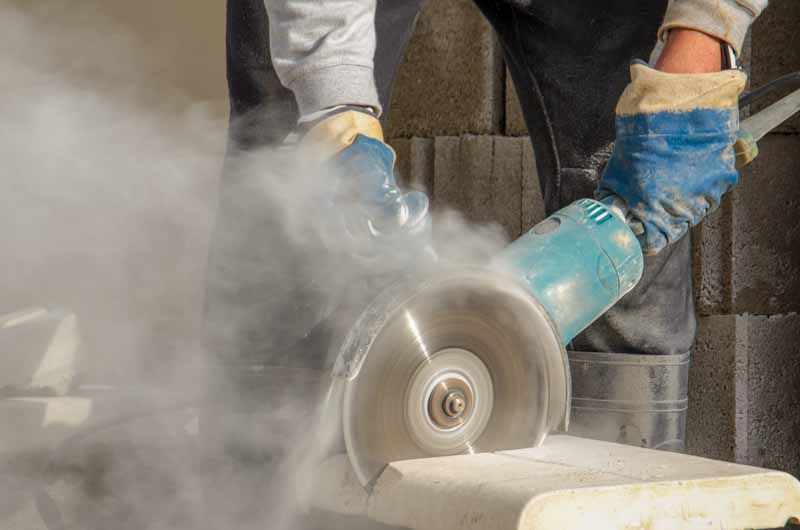
The calls for banning engineered stone‘s importation are curious and likely to be acted on later this week.

Politicians, unions and some OHS associations have undertaken a risk assessment and determined that elimination is the most effective harm prevention strategy. Previous risk assessments of silicosis have been reported on in this blog for some time without banning the material. The risks have not changed even with increased inspection and enforcement. So what has changed? Politics.

Subscribe to SafetyAtWorkBlog to continue reading.
Subscribe Help
Already a member? Log in here

Give me a young worker, and I can make them safer for life*

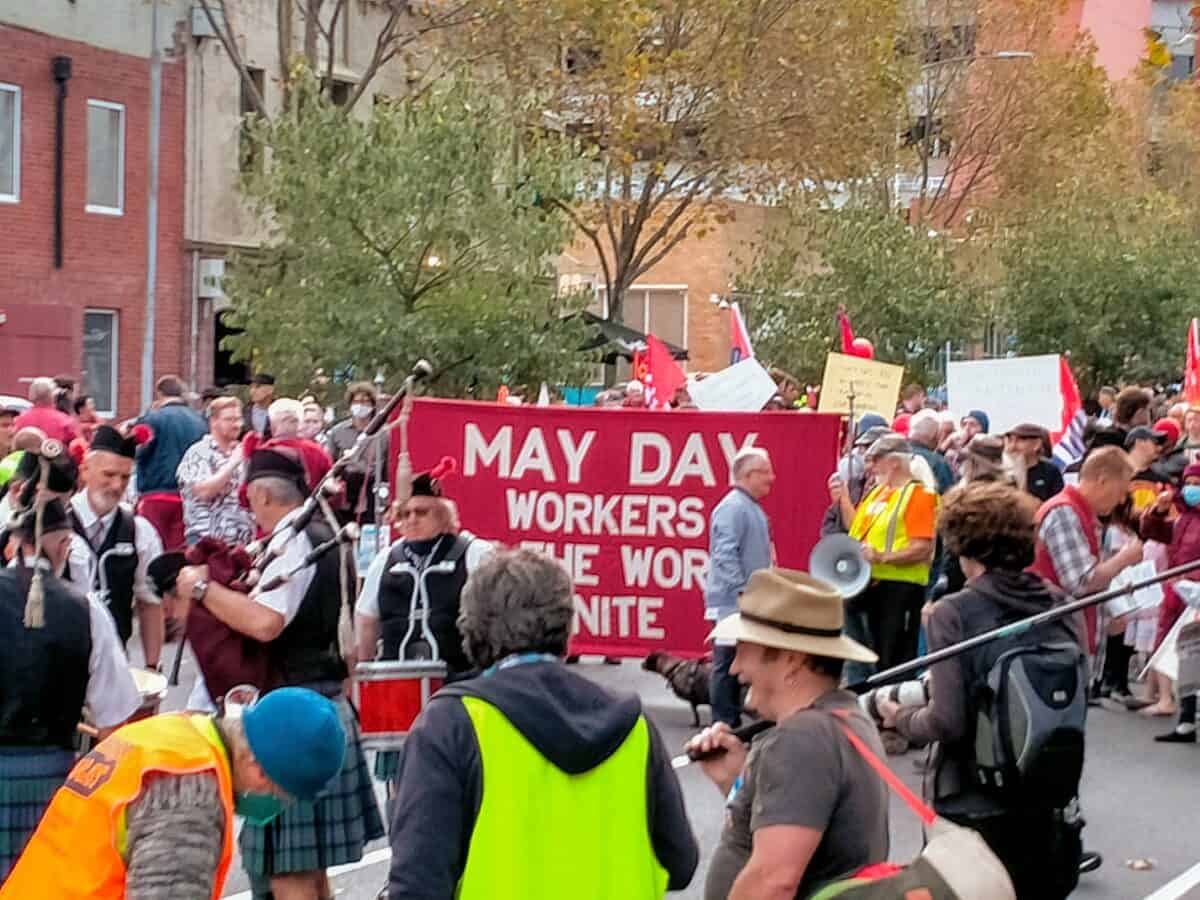
Trade union membership in Australia has declined to its lowest level ever of 12.5%, according to an article in The Age newspaper (paywalled) on January 6 2023. The experts mention several demographic factors that have resulted in the persistent decline. Even though trade unionists publicly state that worker health and safety is often their top priority, they never seem to use occupational health safety (OHS) in their marketing of union membership.

This article does not suggest that OHS be bastardised for commercial purposes or that the primary responsibility for safe work does not reside with the employer. Still, union membership may be purchased for a young worker, in particular, perhaps by parents or concerned relatives to assist in keeping their loved ones safe at work.

Subscribe to SafetyAtWorkBlog to continue reading.
Subscribe Help
Already a member? Log in here

C-Suite is disinterested in OHS

Consulting firm KPMG has released its annual survey report on the concerns of corporate executives called “Keeping us up at night – The big issues facing business leaders in 2023”. Occupational health and safety (OHS) fails to get a mention. (So much for the attitudinal impact of Industrial Manslaughter laws!) But then neither does “mental health” nor “sexual harassment“.

The KPMG report may accurately reflect executive priorities, but it may also reflect a denial of reality.

Subscribe to SafetyAtWorkBlog to continue reading.
Subscribe Help
Already a member? Log in here

Is Safety Leadership for everyone or just the executives?

At last week’s Asia Pacific Occupational Safety and Health Organisation conference, I bumped into Jen Jackson, a young creative thinker on occupational health and safety (OHS) and the author of “How to Speak Human”. We had a quick chat about OHS leadership and gender issues. Below is an edited transcript with a link to the raw audio.

Subscribe to SafetyAtWorkBlog to continue reading.
Subscribe Help
Already a member? Log in here

Why are farms still unsafe?

The start of School Holidays is always a good time to issue reminders of the risks associated with farms, beaches and wherever holidaymakers go. The Victorian Farmers Federation (VFF), recently reinvigorated in its occupational health and safety (OHS) efforts, has released a new safety booklet – “Child Safety on Farms – A practical guide for farming parents“. However, the coverage of this guide by the ABC is a little loose.

Subscribe to SafetyAtWorkBlog to continue reading.
Subscribe Help
Already a member? Log in here

Lymph v Blood – OHS at the Jobs & Skills Summit

If Industrial Relations is the lifeblood of the economy and the nation, then Occupational Health and Safety (OHS) is the lymphatic system, a less well-known supplementary system without which blood circulation fails and the body stops working.

Australia’s Job and Skills Summit that has just concluded focused on the blood. Media analysis offered mixed interpretations. The event was politically stage-managed with many agenda items pre-prepared for the Summit to confirm, but it was not a worthless gabfest, as some (who chose not to attend) have asserted. On the matter of occupational health and safety, there was one new initiative but most of the OHS change, if any, is now more likely to come through the (wellbeing) budget in October.

Subscribe to SafetyAtWorkBlog to continue reading.
Subscribe Help
Already a member? Log in here
Concatenate Web Development
© Designed and developed by Concatenate Aust Pty Ltd