

The heads of Australian work health and safety authorities have decided to ban engineered stone from the middle of 2024. Some will seed this as a win for the trade union movement ( the unions certainly will), but many occupational health and safety and industrial hygiene professionals have been leading the way in obtaining the research evidence that made this decision such an easy one to make.
Category: transport
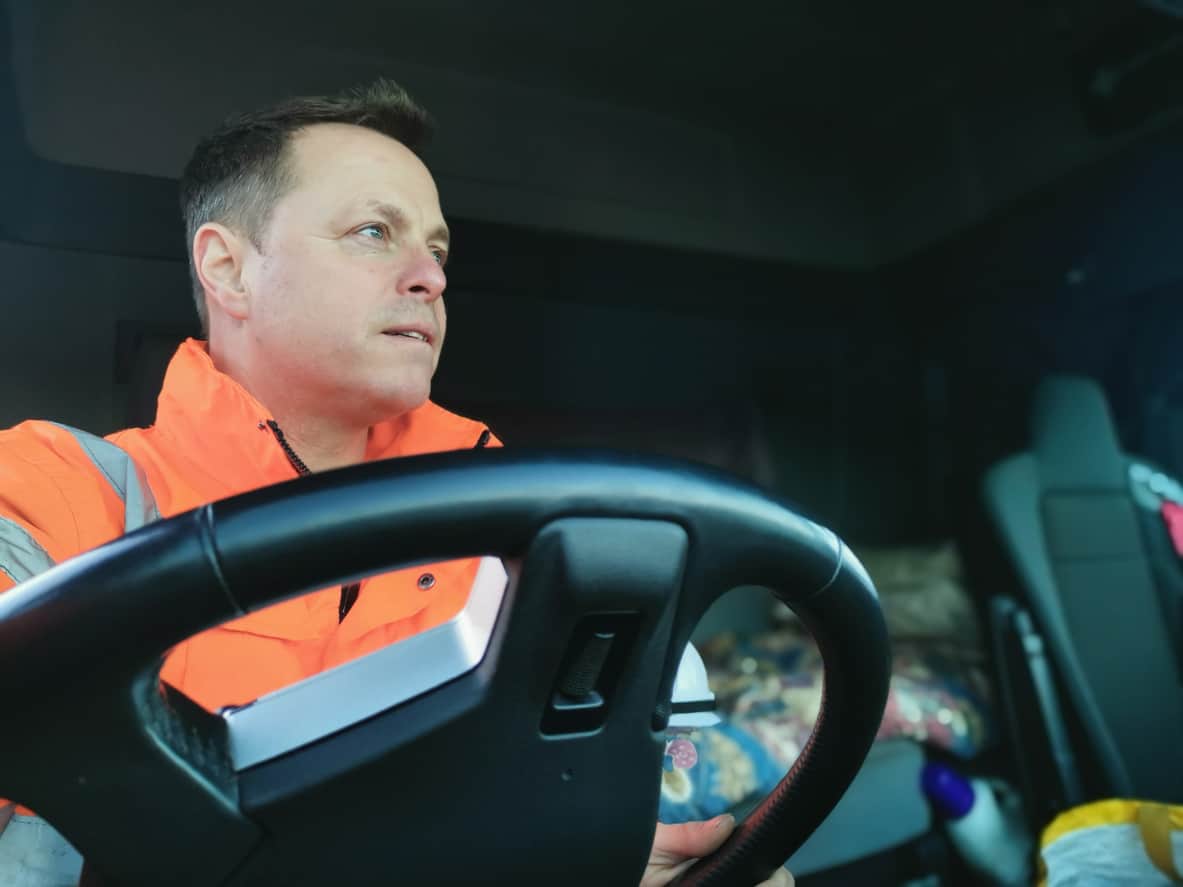
A transport court case relevant to all managers and employers
In November 2023, Australia’s National Heavy Vehicle Regulator released a “case learning” about a successful prosecution and sentence that the NHVR described as
“One of the most serious examples of a breach under the HVNL [Heavy Vehicle National Laws]”
The seriousness of the breach is perhaps reflected in the fine of A$2.3 million.
It is a significant case and a prosecution with lessons for managers and employers well outside the transport sector. In fact, the NHVR’s “Key takeaways for executives” could form the basis of a solid and productive business management system.
Engineered stone is unsafe at any level
Safe Work Australia has recommended:
“a prohibition on the use of all engineered stone, irrespective of crystalline silica content, to protect the health and safety of workers.”
So that should be it. No more engineered stone products for use in Australia. Apparently, that decision is difficult to make even though the top occupational health and safety (OHS) advisory body in Australia recommends prohibition. OHS has always had an uncomfortable mix of morality, law and politics. Engineered stone and its inherent silicosis risks are a good illustration of the tensions between these three elements.
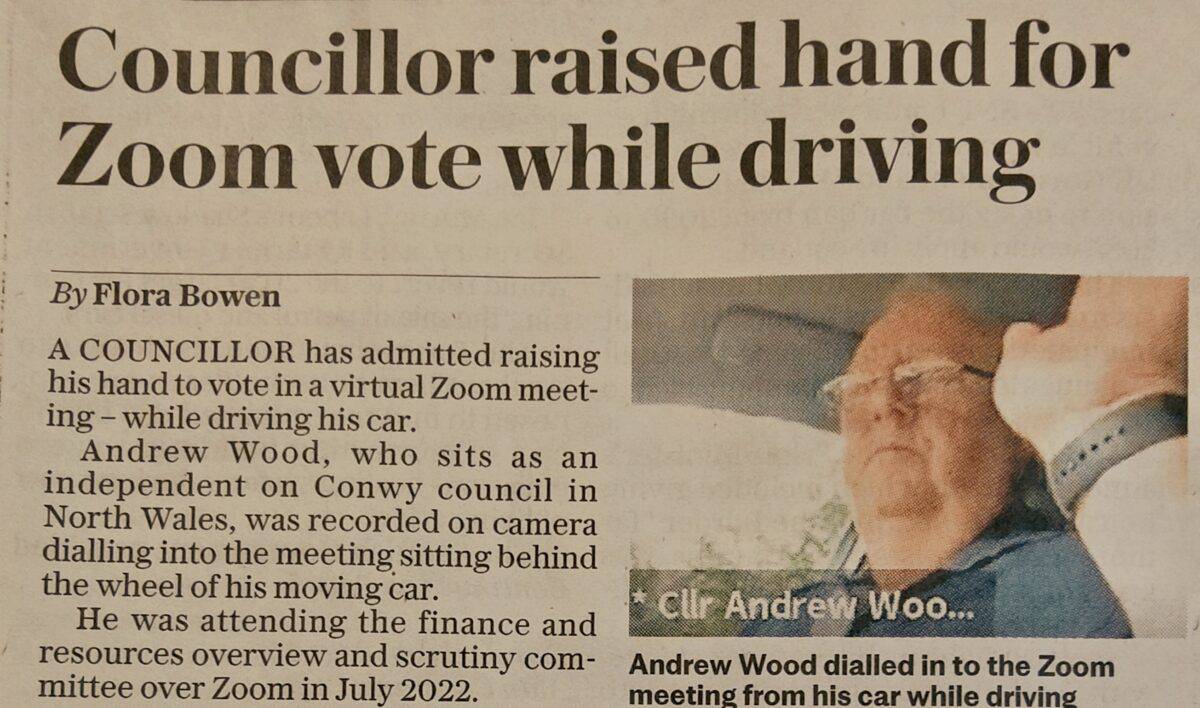
Virtual meeting while driving a car!!
Many companies have policies for driving work and company vehicles safely. Distracted driving has been identified as a high risk activity that contributes to injuries and deaths of road users. Recently, the Victorian road safety regulator introduced bans on touching mobile phones while driving. This has caused enormous debate, mostly from those who do not want to change their habits, about the safety of workers and others on the road.
Although not in Australia, this example in the UK Daily Telegraph (paywalled) on September 22, 2023, illustrates an example of very distracted driving, lying and hypocrisy.
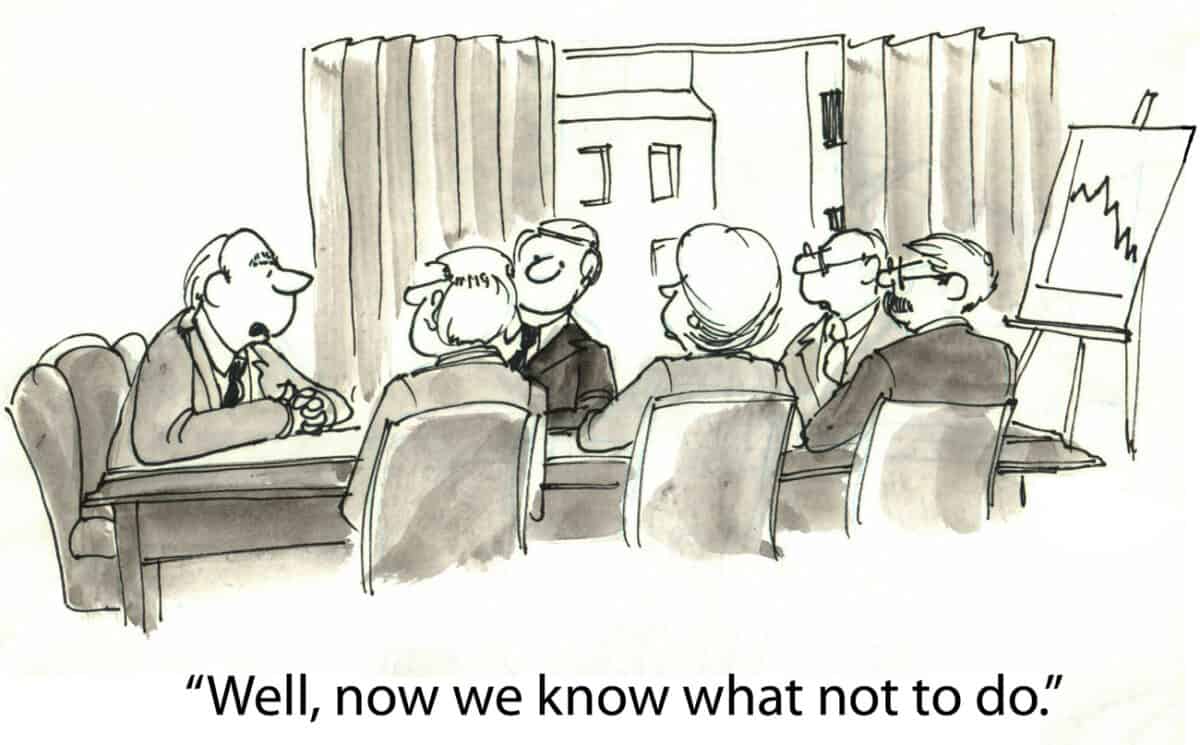
Business lobbyist misses the point
Recently the Australian Industry Group Chief Executive, Innes Willox, addressed the National Press Club in Canberra. The AIGroup is one of the “go to” business groups, along with the Business Council of Australia and mining industry groups, that the business media knows will comment on anything when asked, and frequently when not asked. Willox’s August presentation was on Industrial Relations, but it also illustrates the workplace and political culture in which occupational health and safety (OHS) must operate.
You can lead an employer to the law, but you cannot make them comply
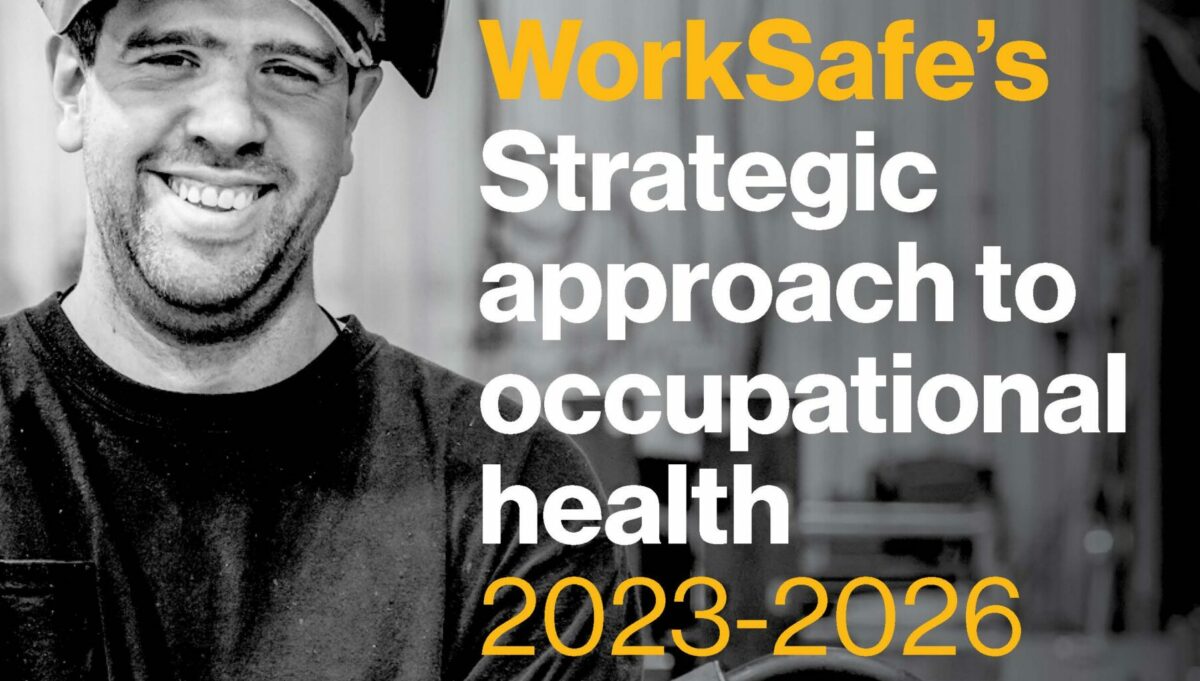
Recently WorkSafe Victoria distributed two strategy documents to one of its reference groups. (They are not yet publicly available.) SafetyAtWorkBlog has seen the “Strategic approach to occupational health 2023-2026” and “Transport Fatality Prevention Strategic Approach 2023-2026”. The first includes the following occupational health categories:
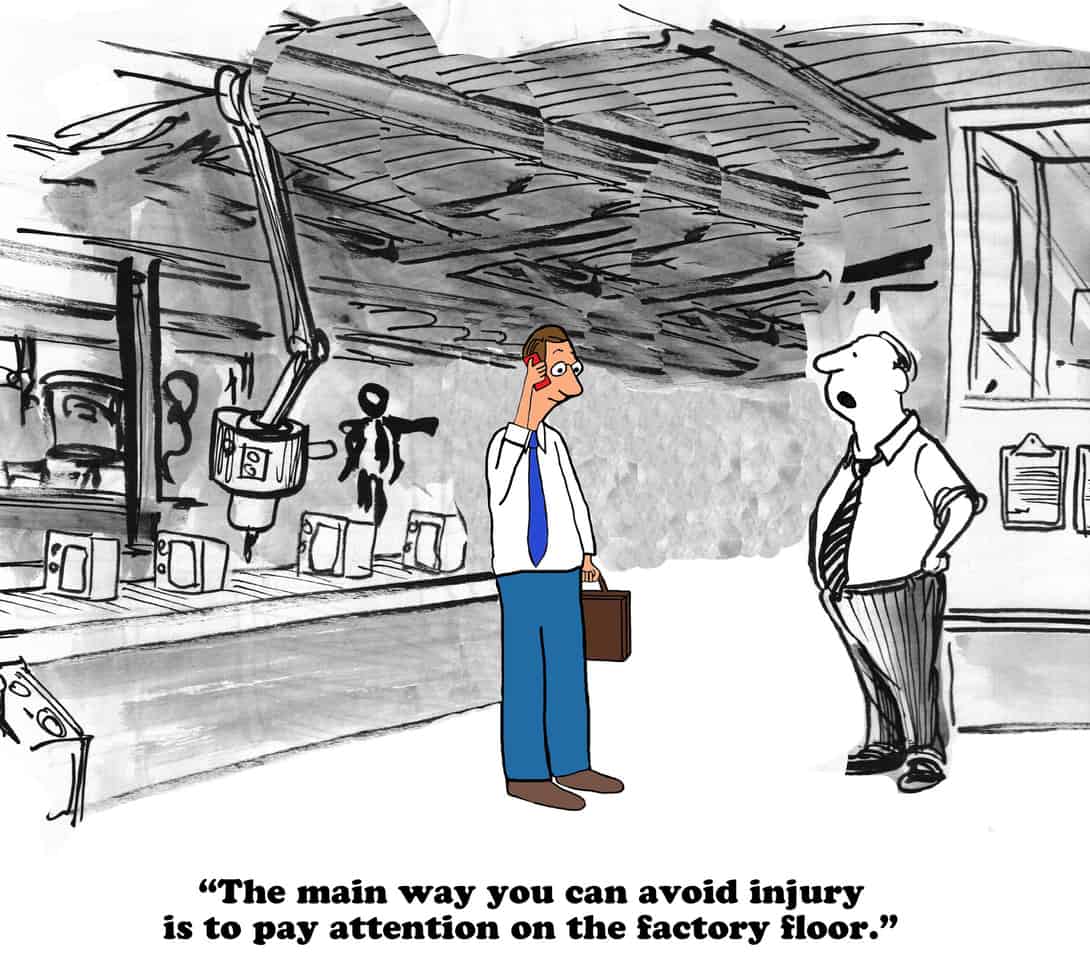
Calling something an accident hides the truth
Jessie Singer published her book called “There Are No Accidents” last year. It is a pivotal book about safety and our understanding of the social and legal impacts of calling tragic events “accidents”. On June 13 2023, Singer spoke on Carnegie Council’s From Another Angle podcast about her book and the consequences of its publication.
“Accident” is less used in modern media descriptions of incidents involving serious injuries and fatalities than in the past. The term implies an unavoidable consequence or undeterminable cause of a tragic event. The traditional use absolves anyone of responsibility or accountability and, consequently, stymies the deep analysis of causes required if such incidents are to be prevented in the future. The term is the antithesis of occupational health and safety (OHS) approaches which should always start from the aim of harm prevention.