
 Australia’s Office of the Chief Economist released a report on December 6 2017 whose relevance to occupational health and safety (OHS) is not immediately apparent but contributes to understanding the context of OHS in modern business processes.
Category: consultation
Peer benchmarking offers opportunities
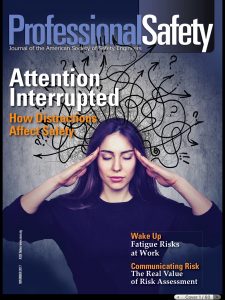 Workplace safety lawyers are regular contributors to occupational health and safety (OHS) journals, usually writing about some OHS case law or recent, topical prosecution. Occasionally they write a more research-based article. The November 2017 edition of
ACCC releases Issues Paper to start public quad bike safety consultation
 The Australian Competition & Consumer Commission (ACCC) has released an issues paper on quad bike safety with a deadline for public submissions of mid-December 2017. An ACCC spokesperson has advised that submissions will be made available to the public through the website unless privacy and confidentiality is requested. A draft recommendation is scheduled for early 2018 with a final recommendation in mid-2018.
Issues papers serve two purposes – the provision of information and questions of particular importance. This article will look at some of those questions.
Extraordinary, quiet, policy change at WorkSafe Victoria
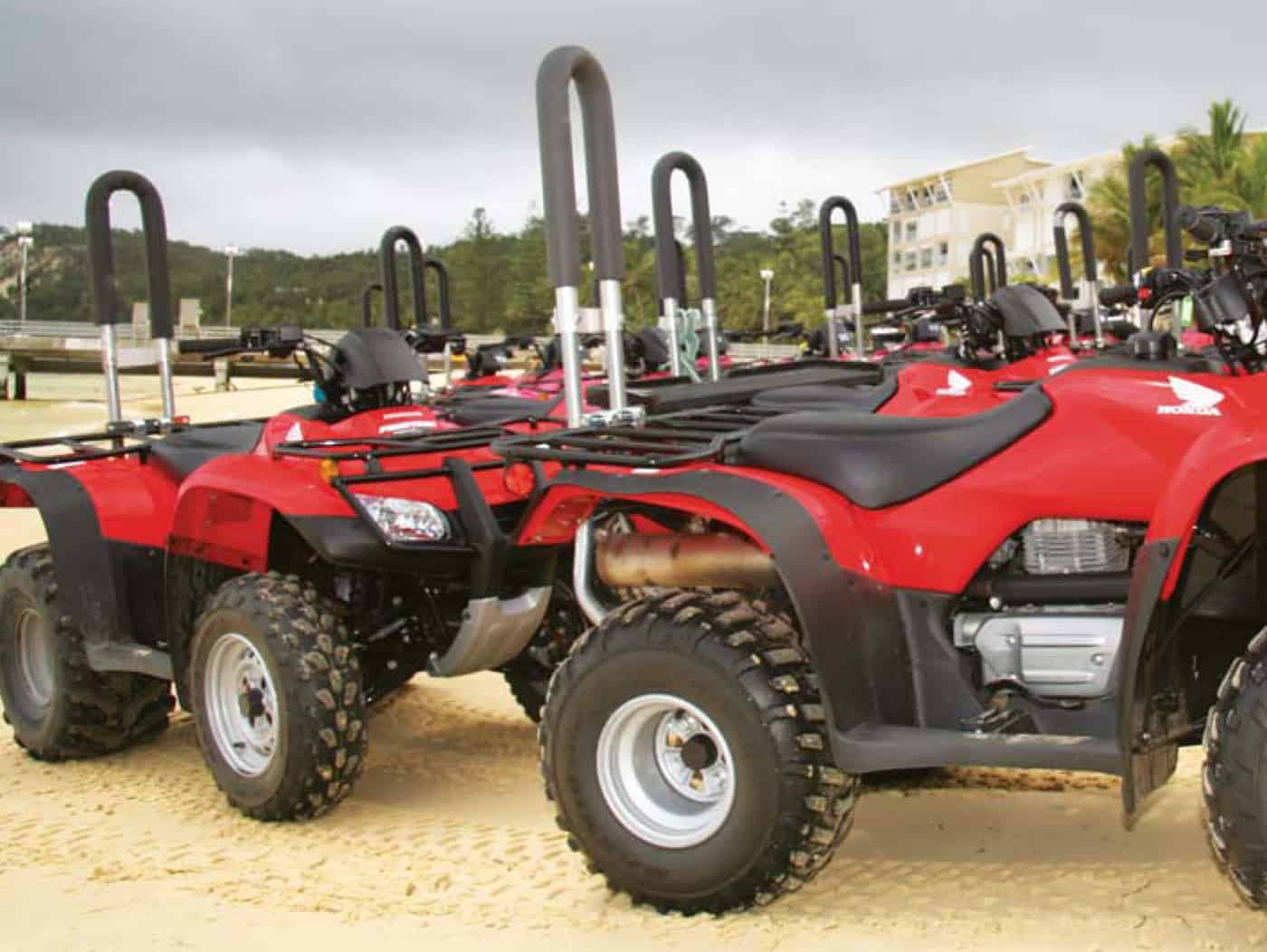 In April 2017, WorkSafe Victoria created consternation in the farming sector by stating that farmers who own quad bikes must fit operator protection devices (OPDs) to the vehicles in order to operate them safely. The quad bike manufacturers took WorkSafe Victoria to the Supreme Court and, according to various media statements, the issue was dismissed before getting to Court and everybody won! On 26 October 2017, the current policy position of WorkSafe Victoria on operator protection devices (OPDs) was clarified.
Continue reading “Extraordinary, quiet, policy change at WorkSafe Victoria”
Industry group expresses concerns about new safety Standard
 An odd media statement was released by the Australian Chamber of Commerce and Industry (ACCI) on 23 October 2017 regarding the new international occupational health and safety (OHS) management system Standard ISO45001. Several days later Standards Australia released a statement that supported and clarified ACCI’s position
ACCI states that
“….the draft standard is still several months away from being finalised”.
New quad bike safety taskforce has a mid-2018 deadline
 On 24 October 2017, Australia’s Ministers for Employment and Small Business announced a new taskforce led by the Australian Competition and Consumer Commission (ACCC) that will conduct an investigation into quad bike safety. What is different about this taskforce is that it is
- a Federal taskforce,
- looking at the introduction of a “quad bike product safety standard”, and
- coordinated by the ACCC drawing on the experience of State and Federal workplace safety authorities.
Continue reading “New quad bike safety taskforce has a mid-2018 deadline”
The big accounting firms are due to shake up the OHS sector
 On 15 August 2017, the Australian Financial Review (AFR) ran an article (paywalled) that should have sent shivers up the spines of occupational health and safety (OHS) professionals throughout Australia. The article titled “Audit chief sound warning on big four rush to consulting work” in the hard copy newspaper discussed the future consulting strategies of the “big four – Deloitte, Ernst Young, KPMG and PricewaterhouseCoopers (PwC):
“The four firms are all aggressively chasing growth by moving into management and technology consulting work. They are also hedging their bets by branching out into other types of professional services ranging from law through to strategy work and even marketing advisory.”