
Extensive multinational auditing and consulting firms have been hammered for the last few years over the potential conflict of both auditing and advising the same companies and a toxic workplace culture. Most companies will not be able to afford these consultants’ prices, but the conduct of the large companies, the “corporate leaders”, affects every business by setting the standards. The influence of these large companies over public (and work health and safety) policy should also be noted and is being reviewed by some governments.
Category: psychosocial
Fascinating trend survey that is really a snapshot
The Australian Chamber of Commerce and Industry (ACCI) has released a fascinating report into occupational health and safety (OHS) trends in Australia. As with the survey report by the Australian Council of Trade Unions earlier this month, the results are far from representative of the Australian population. In fact, the ACCI report is based on only 86 respondents.
The small sample limits some of the conclusions made by ACCI’s Director WHS Policy, Jennifer Low, but regardless, the report provides some insight into the OHS priorities, concerns and OHS literacy of ACCI members.
Sacking may eliminate a hazard but allow toxic work cultures to persist
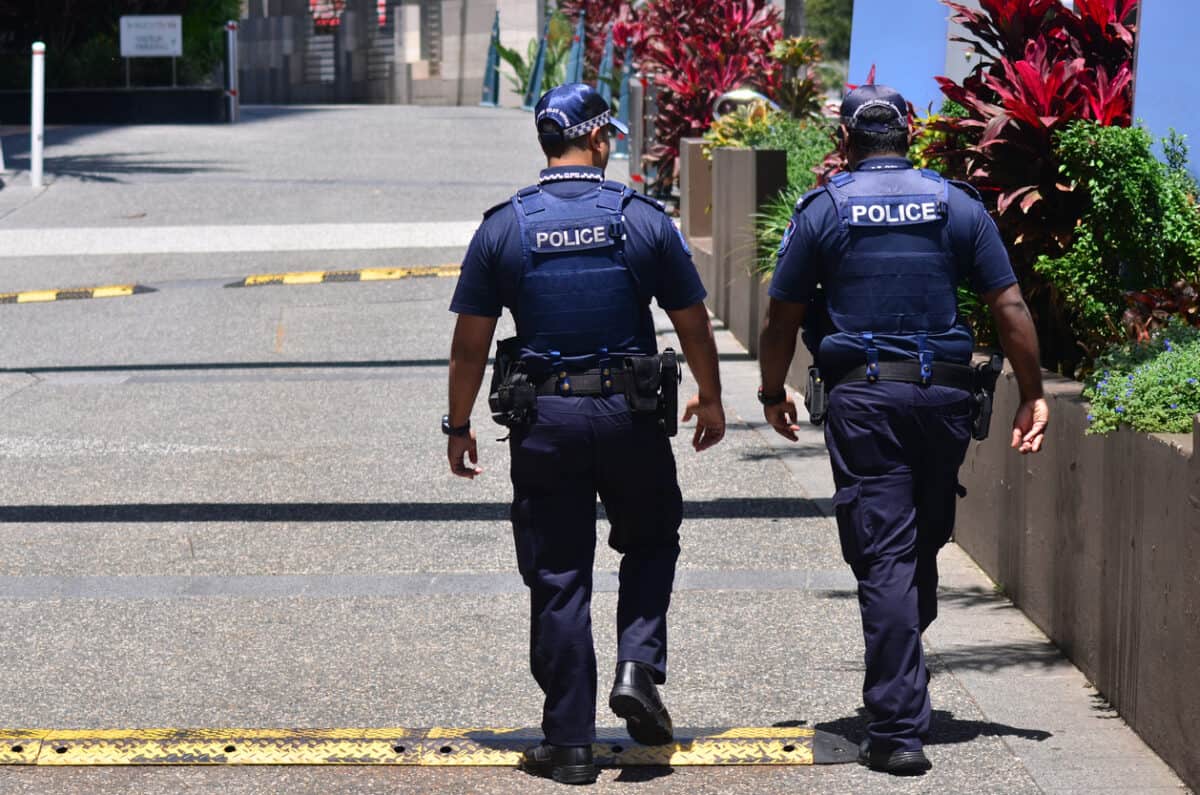
A Queensland inquiry into how Police respond to and handle domestic violence incidents has gained an occupational health and safety (OHS) context. According to The Guardian newspaper (paywalled).
“Employment law experts say the weak police discipline system and the ongoing employment of problematic officers have created “clear breaches of duty” under workplace health and safety laws, which require organisations to provide a safe environment for employees.”
Perhaps the article is more telling in the assumption that offending Police are unredeemable, with the only option being to sack them. OHS duties are meant to be supportive, but they also advocate that workplace hazards should be eliminated, as this is the most effective risk control measure.

Disconnect and Positive Duties
Recently the Australian government released the interim report of the Select Committee on Work and Care. This committee is one to watch for many reasons; the least is that it is chaired by Senator Barabara Pocock, a leading researcher and writer on issues related to work/life balance and workplace equity. The report does not address occupational health and safety (OHS) risks directly;y but discusses many of the flexible work structures that can affect workers’ mental health.
One element of the Committee’s report deals with the Right to Disconnect – the right to turn off from the always-on workplace; a policy that returns the focus of days off to relaxation, hobbies or reconnection with friends and family.
Another is the imposition of another work-related positive duty.
New trade union psychological safety survey shows how little has changed
Australia’s trade union movement has long been active on the issue of workplace psychological harm. Its 1997 Stress At Work survey of members led directly to the creation of workplace bullying and occupational violence guidance in Victoria and elsewhere. Over 20 years later, the Australian Council of Trade Unions (ACTU) undertook another survey of its members (not publicly available), again on mental health at work.
Minister could have spoken stronger on OHS at a business event
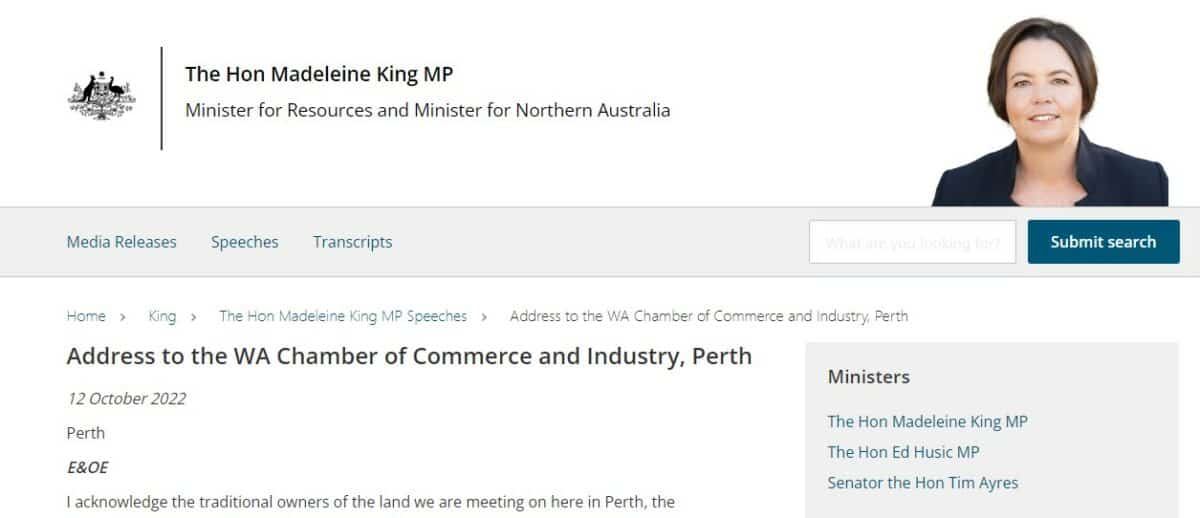
Recently Australia’s Minister for Resources, Madeleine King, spoke at an event hosted by the Western Australian Chamber of Commerce and Industry. The speech aimed to reassure the State’s mining sector to not feel threatened by the new Australian Labor Party government. However, her words about sexual harassment were a little odd.
According to the publicly released speech, King said this on the issue of the labour shortage in mining and resources:
Who is responsible for Burnout? And for preventing it?
I apologise for often referring readers to paywalled content. This restriction can affect the impact and flow of a story, but I want readers to be able to verify the sources of my comments and my information. And I acknowledge that this blog, for many, is an example of the economic reality of paywalled content.
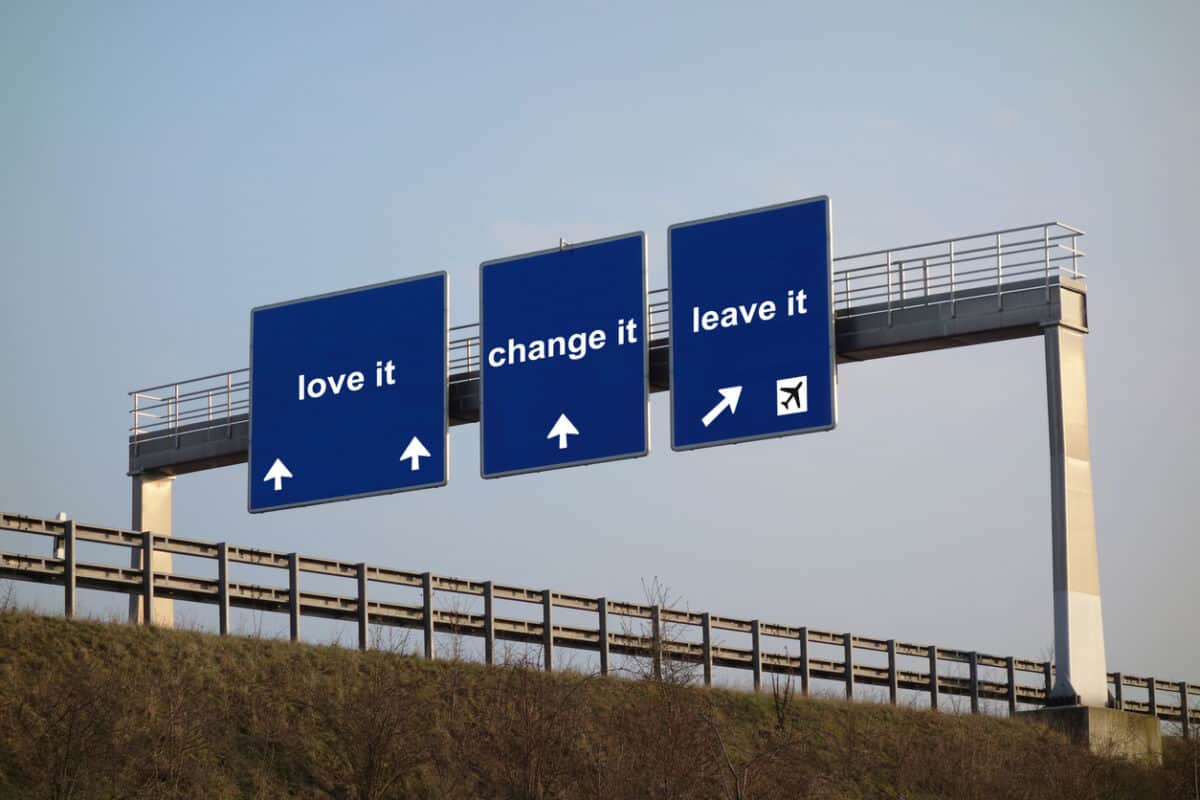
However, there was an article in The Guardian on October 11, 2022, about burnout that is well worth reading (You may be able to get short-term access). Below are some extracts from that article with my thoughts.
The Guardian article “‘I didn’t see how I could ever get back to a normal life’: how burnout broke Britain – and how it can recover” by Gaby Hinsliff,, recounts several cases of burnout and near-burnout that are typical of responses to work-related mental ill-health.