

Maddocks law firm has just concluded the second part of their psychological health and safety seminars. Lawyers Catherine Dunlop and Dale McQualter have the advantage of following a seminar on the same topic held by Victoria’s occupational health and safety (OHS) regulator just the other day. The advantage with this seminar is that the lawyers feel comfortable in giving their opinions and advice in contrast to the careful words of the WorkSafe people.
Category: mental-health

WorkSafe Victoria’s Wake Up Call on Psychosocial Hazards
WorkSafe Victoria has just concluded a Safe Work Month webinar on psychosocial hazards and psychological risks, attended by around 14,000. The content was familiar to anyone who has been following the development of Victoria’s new occupational health and safety (OHS) over the last four years, but it was an important communications opportunity for WorkSafe with useful insight into employers’ perspectives on mental health at work.

Denmark and Australia Compared on Psychosocial Safety
Niru Tyagi recently wrote on LinkedIn about Denmark’s regulatory approach to work-related psychosocial hazards, comparing it the current Australian approach, framing Denmark as creating an industrial obligation. It is a perceptive comparison but downplays the significance in Australia of the criterion of reasonably practicable.

Are emotion and anger also types of energy?
One of my previous employers was highly committed to occupational health and safety (OHS), but always gave the program, the schedule or utilisation a higher priority. Whether that was a justifiable compliance level was of little concern, as long as the auditors recertified the OHS management systems. The company realised their approach to OHS was not working, so it turned its focus on “critical risks”, which were, bluntly, anything that would kill you. But such was the strength of the culture that even this focus on critical risks failed to cut through and give OHS the respect that it legislatively deserves.
Matthew Hallowell‘s latest book, “Energy-Based Safety – A Scientific Approach to Preventing Serious Injuries and Fatalities (SIFs)“, discusses this focus on critical risks.
From Clutter to Clarity and Evidence at RMIT’s SHINe Symposium
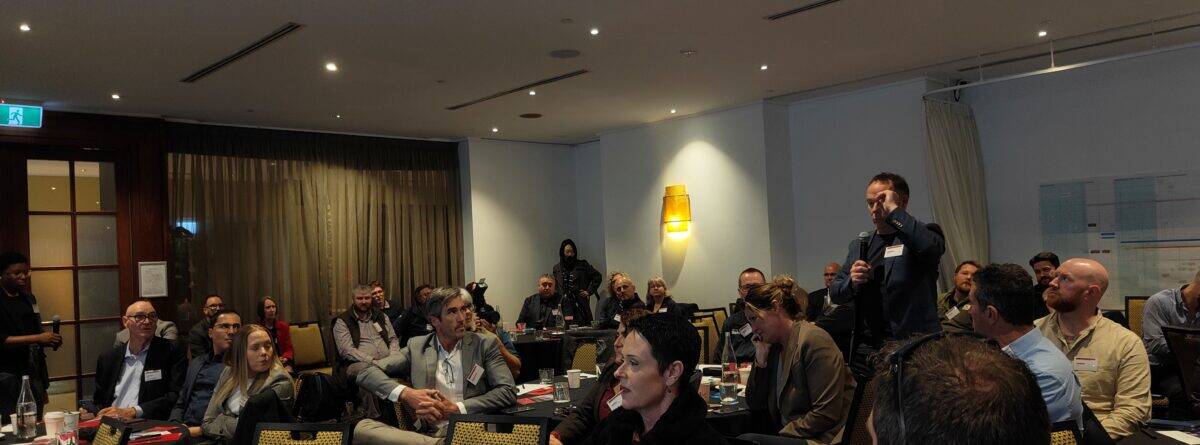
Just over a week ago, RMIT University’s research funding program, SHINe, conducted its inaugural symposium. This symposium was both new and fascinating. It was overbooked with a considerable weight list, I think, because of the international safety research guests, but the fact that an event in Safe Work Month was free might have helped. The research by the Construction Safety Research Alliance (CSRA) for the United States was a highlight.
Turning the Mental Health Ship in Construction
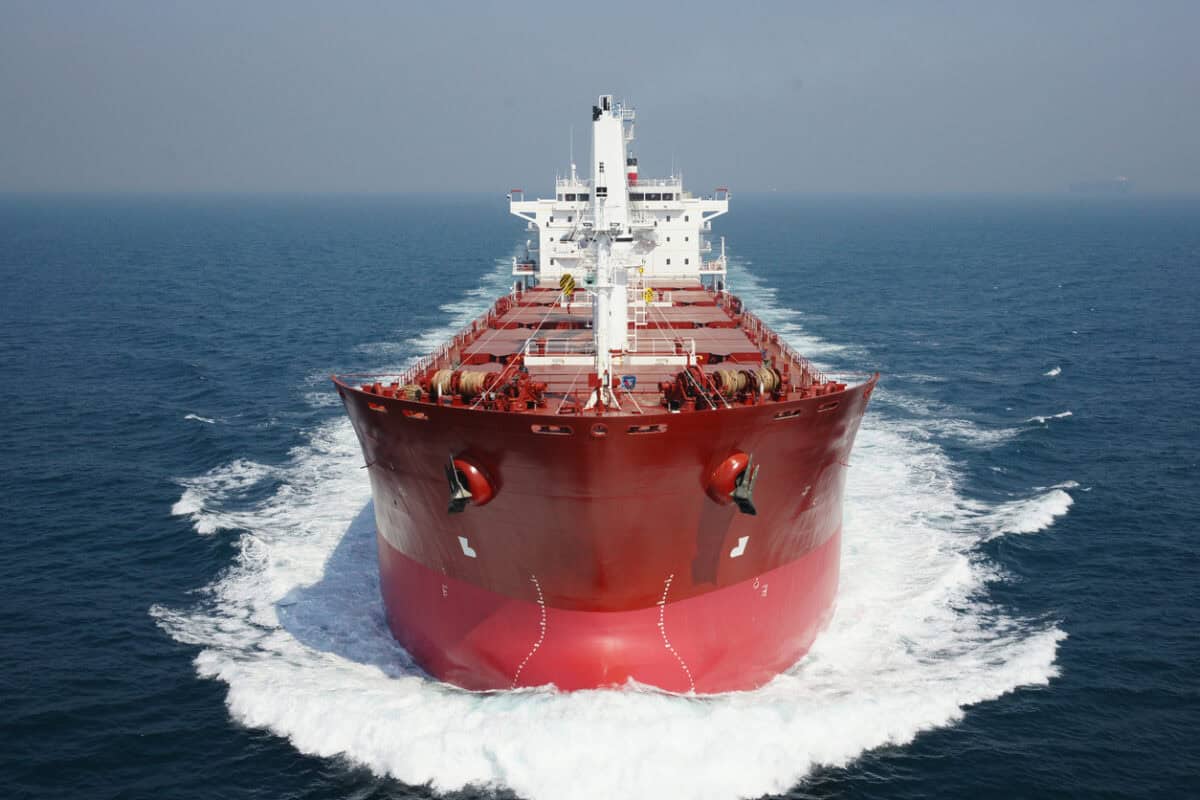
Mental health in the construction industry is a perennial occupational health and safety (OHS) concern – high levels of suicide, suicide ideation, depression, anxiety, etc, – the usual suspects. Research into this has been robust in Australia, with the work of Professor Helen Lingard and the Construction Industry Culture Taskforce, among others. Recently, I heard about the Wellness in Infrastructure organisation for the first time.

Pop Psychology Isn’t a Safety Strategy
Last week, I attended a webinar on psychological safety that confirmed all of my worst fears about the Human Resources approach to addressing psychosocial factors and mental health at work.