
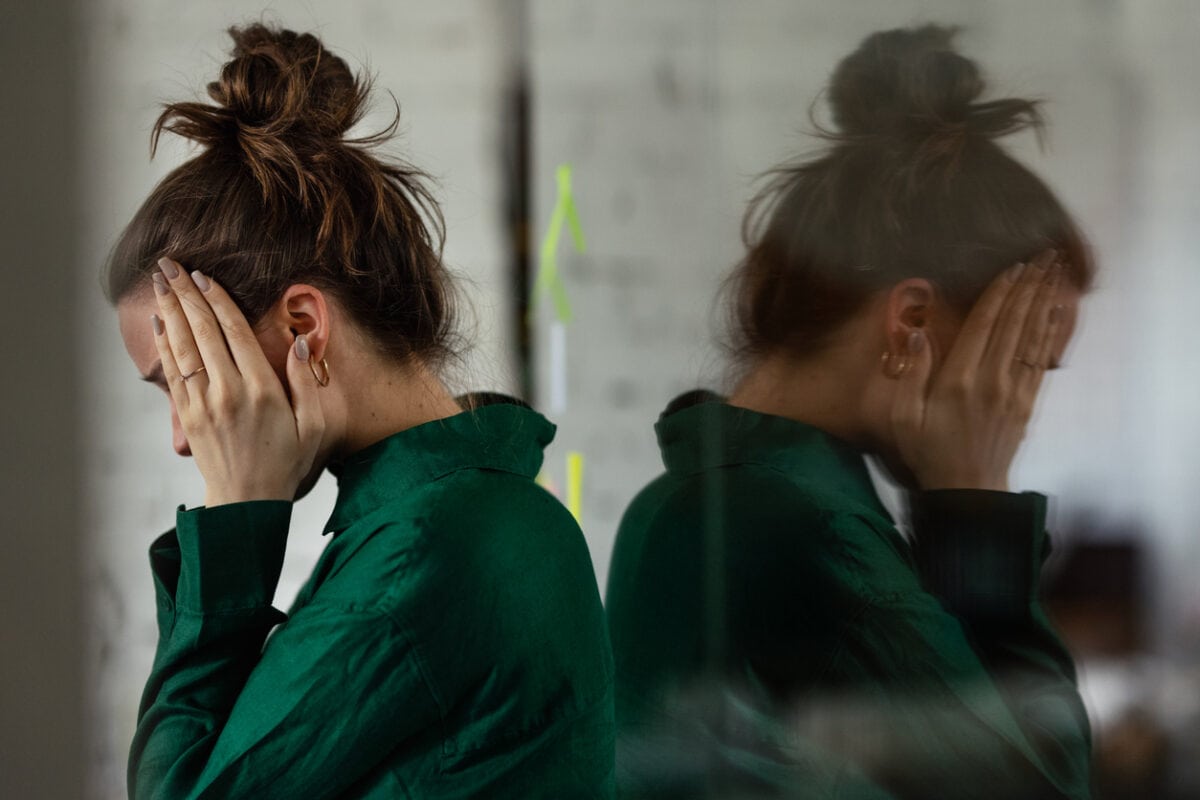
Many articles about work-related burnout miss the occupational health and safety (OHS) point. On March 21, 2026, The Age published an article (paywalled) ostensibly about the benefits of disconnecting from phones and social media to combat burnout, improve mental health, and foster more meaningful, in-person connections. But the case it uses to make its point is also a case about the prevention of psychological harm at work.
The article quotes former medical device salesperson and now mental health advocate, Peta Sitcheff‘s experience:
“For 14 years. I was on-call 24/7, …. A surgeon could ring me any time of day, wanting to book equipment for a surgery that they needed, and I would have to be available. My phone essentially became an extension of my arm. If it wasn’t on me, I would panic. If it
rang, I’d jump.”
In the OHS context, that job was never safe, regardless of the remuneration. The journalist, Courtney Thompson, wrote that Sitcheff “reached a point of acute burnout.” Sitcheff did what most of us would do: she quit. She eliminated the hazard and now treats the harm. How did her former employer ever decide that that job was safe or that it could be done without the risk of psychological harm? That employer would likely now be in breach of their OHS duties to provide psychologically safe work.
The article continues to illustrate the benefits of reducing or eliminating the dominance of mobile phones and social media in our lives. There is no mention of the legal Right-To-Disconnect, but the article is about disconnection. Her medical device role was not designed to allow her to disconnect, and it is reasonable to assume that her job may have included financial allowances or recognition of the always-on nature of the job, but maybe not.
It is common to read articles about personal choices that benefit their mental health. Those choices are important, but the occupational context of the distress, excessive workload, and always-on culture is often a subtext or missed altogether in these articles. It may be that I have a super-sensitive OHS antenna and that I have let OHS dominate my life, but the OHS context is there, I believe. It is up to us to have frank and honest discussions with the people who have the most power to fix this hazard – employers.
Peta has been contacted for more details of her burnout-related experiences.