
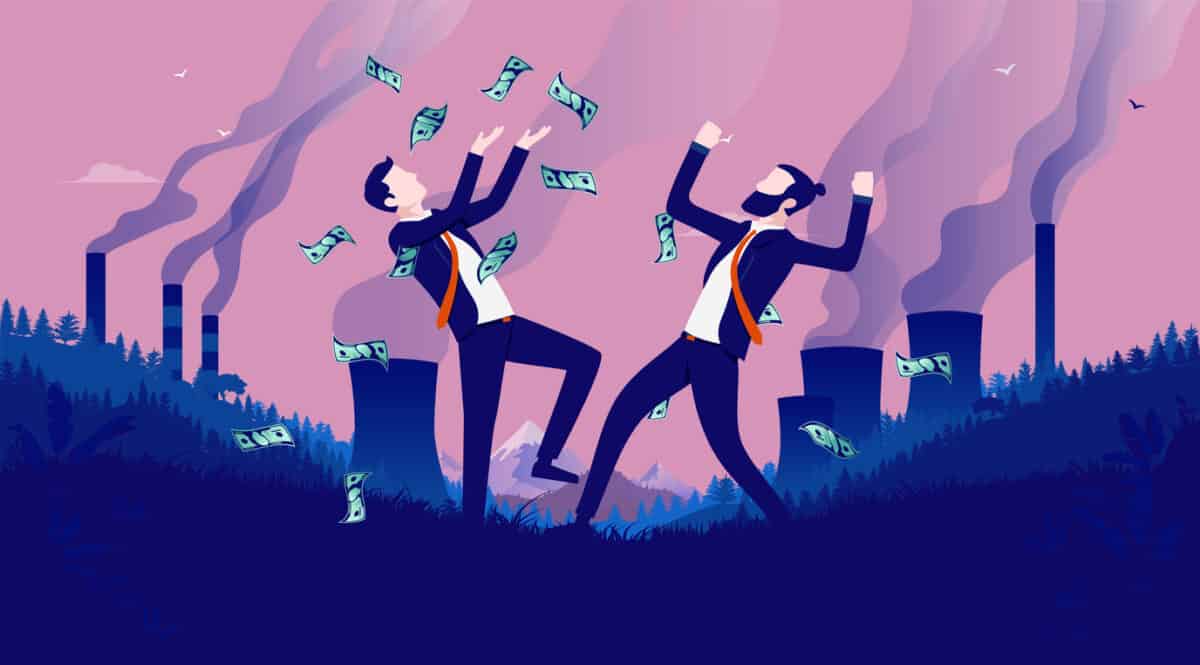
Walk through any corporate sustainability report and you’ll find the same familiar choreography: a glossy declaration of “unwavering commitment to safety,” a handful of photos featuring smiling workers in immaculate PPE, and a CEO foreword that reads like it was written by a risk‑averse committee. What you won’t find is any serious engagement with the economic structures that produce harm in the first place.
For decades, scholars have been mapping the relationship between capitalism and workplace injury. They’ve shown, with depressing consistency, that harm is not an aberration but a predictable by‑product of systems designed to extract value from labour while externalising risk. Yet when these same scholars propose alternative models — models that would reduce harm by redistributing power, stabilising labour markets, or democratising decision‑making — executives respond with a familiar repertoire of excuses.
This article examines why. In a couple of real-world case studies, corporations were presented with opportunities to adopt safer, fairer, more accountable models — and chose not to.
Because the truth is simple: executives don’t reject these proposals because they’re unworkable. They reject them because they work exactly as intended.
Comments are closed.